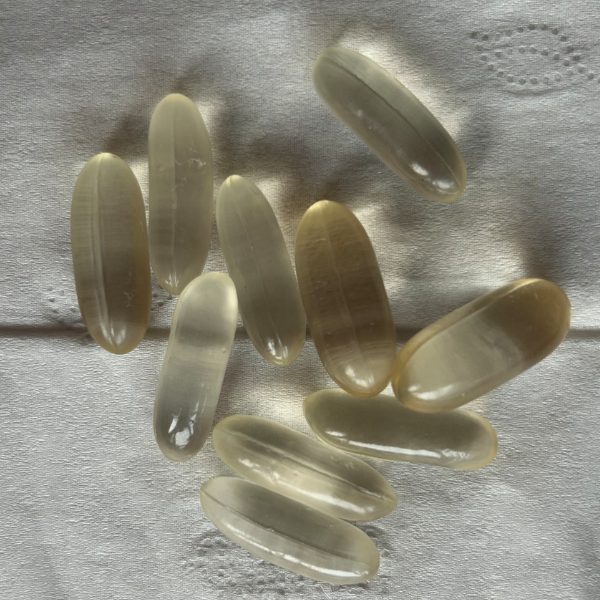
A jumbo softgel capsule machine is the largest class of softgel encapsulation machine, built around a 12-inch die roller (200 x 300 mm) that holds the most cavities and so gives the highest output. The JANGLI JL-300 is our jumbo machine and the biggest softgel machine we make. A bigger die roller brings more capacity but also more weight and vibration, so a jumbo machine needs a precise, servo-driven design and careful handling. This guide explains what a jumbo machine is, its advantages and disadvantages, and the features of our design.
Key Takeaways
- Die roller size decides machine size. Softgel machines come in 4, 6, 7, 8, 10 and 12-inch sizes, and 12 inch is the jumbo class.
- Output depends on the capsule. Output is the number of cavities per revolution times the speed, and a bigger capsule means fewer cavities.
- Trade-offs: more cavities and capacity, against more weight, more vibration and harder die roller handling.
- Our jumbo machine is servo-driven only. We do not supply it with a gear drive.
What Is a Jumbo Softgel Capsule Machine?
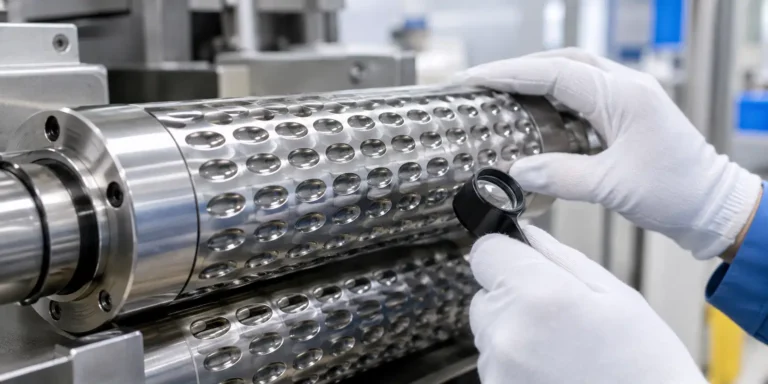
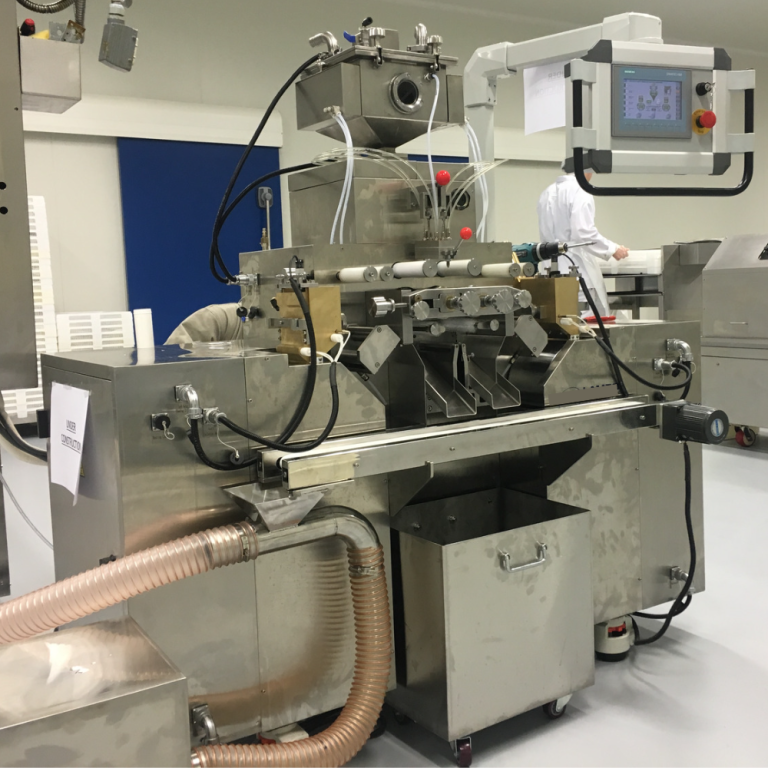
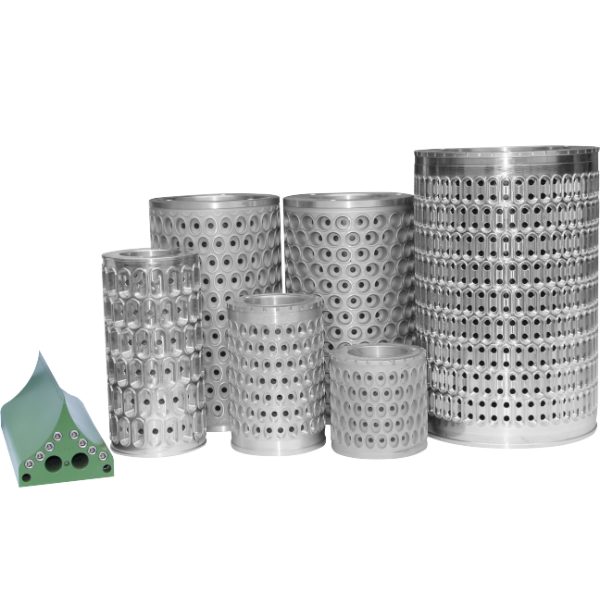
The dimension of the die roller decides the size of a softgel encapsulation machine: the bigger the die roller, the larger the machine. Softgel machines currently exist in 4, 6, 7, 8, 10 and 12-inch sizes. The 12-inch machine, with die rollers of 200 x 300 mm, is the biggest size at the moment and is called the “jumbo” softgel capsule machine. The JANGLI JL-300 softgel capsule machine is a jumbo machine and the biggest we have.
| Item | JANGLI jumbo machine |
| Model | JL-300 [[VERIFY: model name, JL-300II per the site profile or JL-300III per the original product page URL]] |
| Die roller size | 12 inch, 200 x 300 mm |
| Drive | Servo motor drive only |
| Output per hour | [[VERIFY: JL-300 output per hour, and the capsule it refers to]] |
How Does Die Roller Size Relate to Output?
On a rotary die machine, output per hour is roughly the number of cavities formed per revolution multiplied by the rotation speed and by 60 minutes. A larger die roller holds more cavities, so it makes more capsules at the same speed. The capsule size matters just as much: bigger capsules mean fewer cavities fit on the roller.
One 12-inch machine from another maker shows the effect. Its published estimates range from 792 cavities and 213,840 capsules per hour for a #5 round capsule, down to 264 cavities and 71,280 per hour for a #24 oblong capsule at 4.5 rpm. This is not our machine, but it shows why an output figure only makes sense with the capsule it refers to. Our guide to softgel machines by capacity explains more.
What Are the Advantages and Disadvantages of a Jumbo Machine?
| Advantages | Disadvantages |
| A bigger die roller means more cavities and a larger production capacity. | A bigger die roller and machine mean more weight, which creates more vibration. This can affect the precision of the machine and the seam rate of the capsules. |
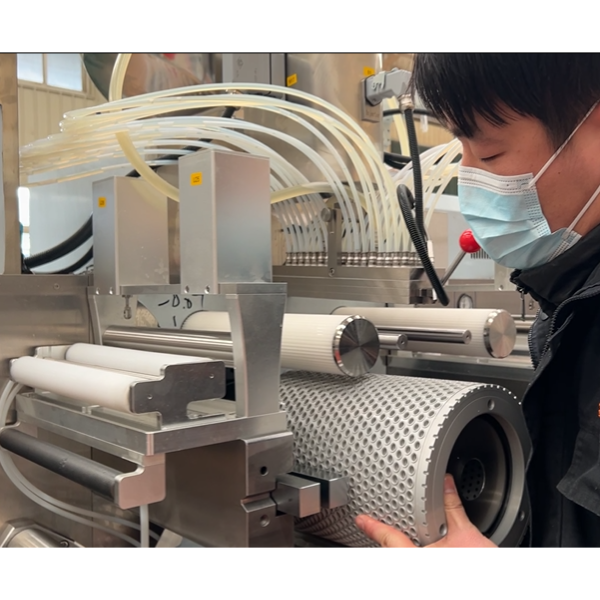
| One machine can replace several smaller ones for a long, steady run of the same capsule. | The operator must install the die roller set before each production and remove it afterwards. A large set is very heavy, which makes the job harder and the set easier to damage. |
| The rest of the line (drying, inspection, packing) must keep up with the output, and a single large machine concentrates the risk, because when it stops, output stops. |
Handling matters most. Read our guides to die roller installation, die roller inspection and die roller maintenance, and use lifting aids and two people for heavy sets.
What Are the Features of the JANGLI Jumbo Machine?
1. Servo motor drive
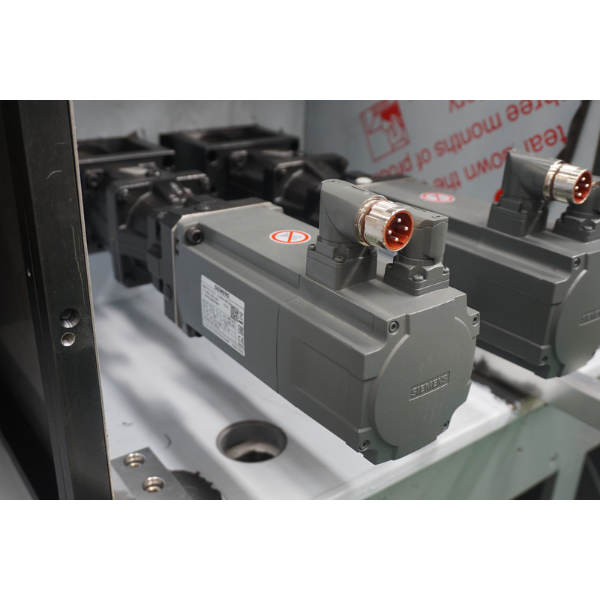
We supply the 12-inch JL-300 only with a servo motor drive, never with a common gear drive. The main axis and other main parts are driven by separate servo motors, which reduces the vibration caused by a gear drive. With servo drive, die roller alignment, injection timing and fill volume adjustment are all done on the PLC touchscreen, which reduces operating difficulty, saves time and reduces gelatin waste.
2. High-precision main axis
The main moving parts use German bearings and P4 high-accuracy bearings. The parallelism of the two axes is less than 0.02 mm, and the run-out of the die roller is less than 0.02 mm. On a large machine, this precision protects the seam rate.
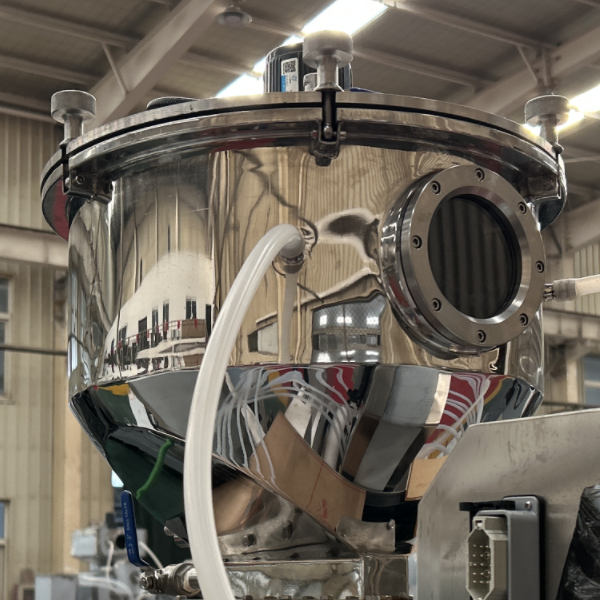
3. Round, finely finished fill hopper
- The round hopper reduces wasted fill and is easy to clean.
- The hopper is well welded, and all stainless steel weld joints are finished for a clean appearance.
- A sealing gasket and a closing handle let you seal the hopper and fill it with nitrogen when needed, which helps with oxidation-sensitive fills such as fish oil.
- The hopper has a double-layer design with a water-filled heating layer, so it can be heated when needed.
4. Automatic gelatin thickness adjusting system (ATGS)
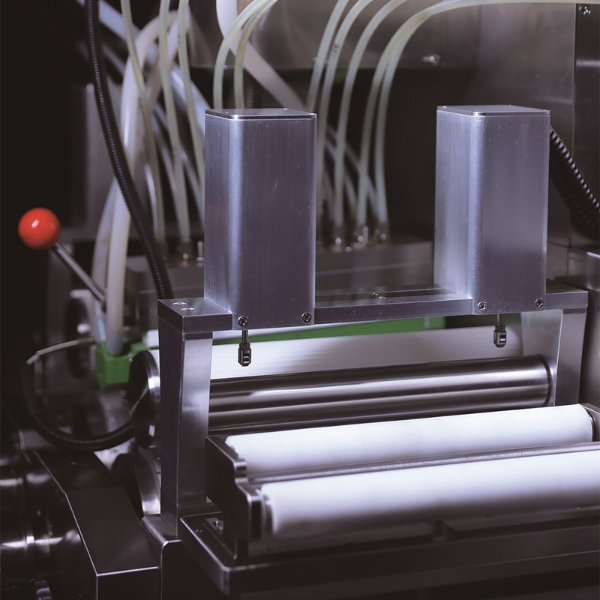
With the ATGS installed, the operator only enters the target thickness of the gelatin film. The system detects the thickness and adjusts it automatically, which wastes less gelatin than manual adjustment.
5. Water cooling instead of air cooling
The machine uses a water cooling system instead of an air cooling system.
Is a Jumbo Machine Right for You?
| A jumbo machine suits you if | A smaller machine may suit you better if |
| You make very large volumes of a few capsule types | You run many products and change die rollers often |
| You have space and a floor that can carry a heavy machine | Space is limited |
| Your drying, inspection and packing can match its output | Your downstream capacity is smaller |
| Your operators are trained to handle heavy die roller sets | You are starting out or testing formulas |
For a smaller step, see the JL-250III servo softgel machine. To plan the rest of the line, read our production line equipment checklist and our guide to evaluating a softgel machine.
What Should You Send Us?
- capsule shape and size, so we can work out cavities and output;
- fill type and shell type (gelatin or plant-based);
- target output per hour and per year;
- workshop size, floor capacity and lifting equipment;
- your downstream equipment, and the markets you sell in.
Conclusion
A jumbo machine gives the largest capacity in a single softgel machine, in return for more weight, a heavier die roller to handle and a need for downstream capacity to match. Our servo-driven JL-300 is designed to keep precision high at this size. Contact JANGLI to discuss whether a jumbo machine fits your plant.
Frequently Asked Questions
What is a jumbo softgel machine?
It is the largest class of softgel encapsulation machine, built around a 12-inch die roller of 200 x 300 mm. It holds the most cavities and gives the highest capacity.
How many capsules per hour does a jumbo machine make?
It depends on the capsule. Output is the cavities per revolution times the speed, and larger capsules fit fewer cavities. Send us your capsule shape and size and we will give you an estimate.
Is the JL-300 available with a gear drive?
No. We supply the 12-inch JL-300 only with a servo motor drive, to reduce the vibration of a gear drive on a machine this heavy.
Why does vibration matter on a large machine?
More weight creates more vibration, which can reduce the machine’s precision and the seam rate of the capsules. Separate servo motors on the main parts and high-accuracy bearings help to control it.
Can the hopper be filled with nitrogen?
Yes. The hopper has a sealing gasket and a closing handle, so you can seal it and fill it with nitrogen when needed. It also has a water-filled heating layer.
How should heavy die roller sets be handled?
Carefully and with help: use lifting aids and two people, avoid bumps, and inspect the set after any knock. See our guides to installation and inspection.
Written by Wendy Yu, JANGLI. Last reviewed: [2026]. Specifications may change, so please confirm details with us before ordering.
Send us your capsule shape, fill and target output and we will recommend a model.