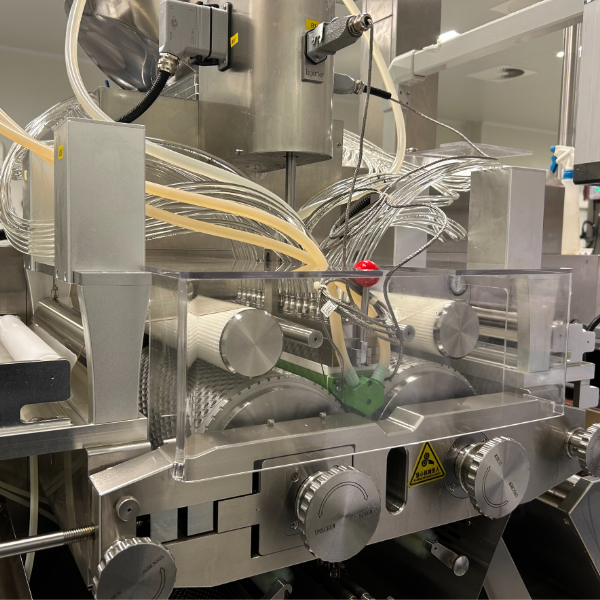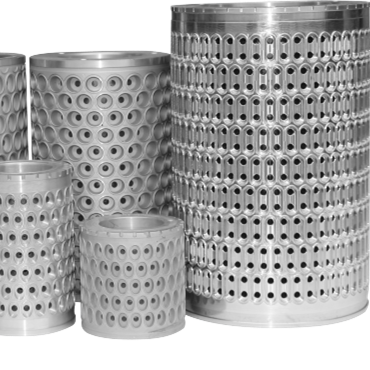
On a traditional gear-driven softgel encapsulation machine, you install the die rollers, align them so that the grooves of the left and right rollers match, and then set the injection timing so the fill is delivered exactly when the die cavities close. These steps decide capsule quality. If they are wrong, you get leaks, poor seams and badly shaped capsules. This guide gives the Softgel Die Roller Alignment & Injection Timing Guide step by step.
Key Takeaways
- Three steps: install the die roller set, align the rollers, adjust the medicine pump injection timing.
- Why it matters: alignment and timing directly affect leakage, seam quality and capsule shape.
- If capsules leak or seal badly, check the alignment and timing again before you change anything else.
- Servo-driven machines adjust alignment and injection timing automatically from the PLC touchscreen.
Die roller installation, alignment and injection timing are critical steps in softgel production on a traditional gear motor drive machine. Their correctness directly affects the quality of the capsules, including leakage, seam rate and the appearance of the capsule shape. The procedure below is written for JANGLI gear-driven machines such as the JL-250II. Always follow your own machine manual too.
Why Do Softgel Die Roller Alignment and Injection Timing Matter?
The two die rollers form and seal the capsule, while the injection wedge delivers the fill between the two shell ribbons just before the rollers close. If the fill discharge and the roller rotation are poorly timed, patent literature on softgel die rolls notes that the fill amount varies, the shell sheets bond poorly, or the capsule shape is deformed. A misaligned pair of rollers has a similar effect on the seam. So when a capsule leaks or seals badly, alignment and timing are two of the first things to check.
What Safety Checks Come First?
These are general precautions. Follow the safety rules in your machine manual and your site procedure.
- Stop the machine and isolate its power before you remove or install die rollers or adjust the bolts.
- Die rollers are heavy and easy to damage. Handle them carefully, and use two people or a lifting aid for large sets.
- Inspect the rollers before you fit them. See our guide to softgel die roller inspection.
How Do You Install a Softgel Die Roller Set?
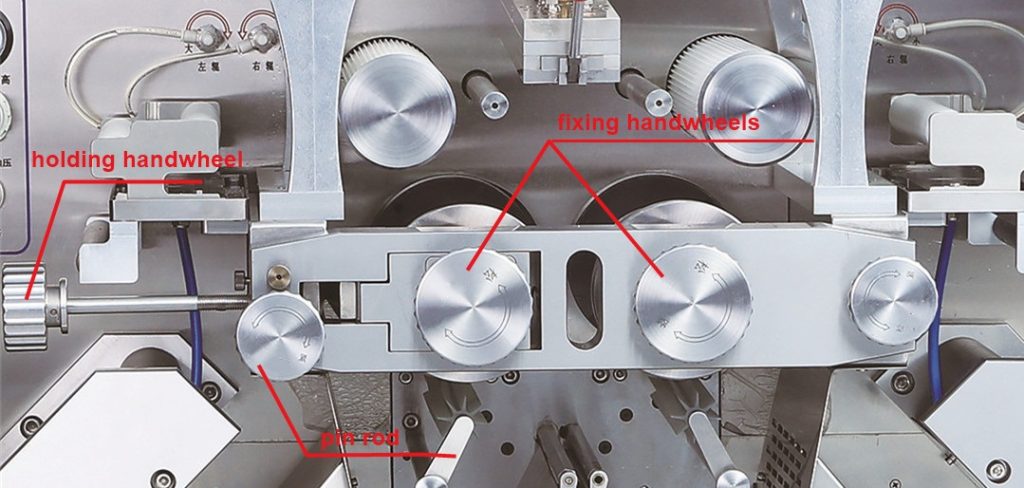
- Facing the operating surface, loosen the handwheel that holds the die rollers on the left side of the machine, and loosen the handwheel that fixes the die rollers.
- Loosen and remove the fastening handwheels on the left and right sides of the door beam, and put them on the platform for later use.
- Pull out the pin rod on the left side of the door beam and put it aside.
- Pull out the door beam horizontally with both hands.
- Take the die roller marked “R” on its end surface out of the mold box. Install it on the mold seat of the right main shaft with the unmarked end facing inward.
- Refit the door beam by reversing the steps you used to remove it.
- Turn the mold seat of the fixed die roller until the pin enters the pin hole of the roller. Tighten the right handwheel of the fixed die roller, then tighten the left handwheel in the same way.
How Do You Align the Softgel Die Rollers?
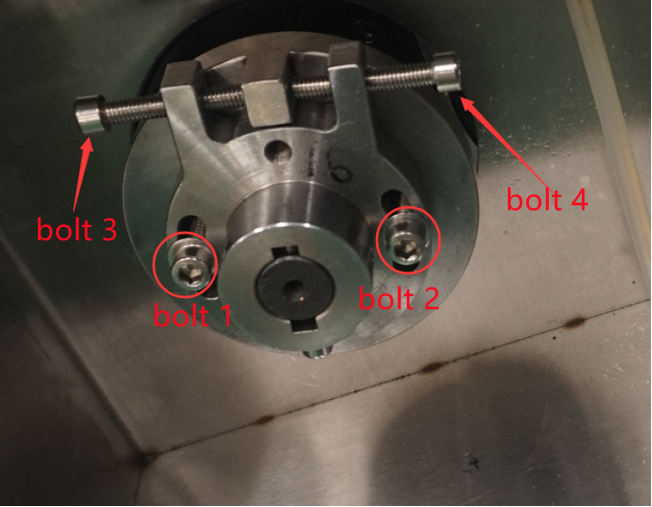
- Open the lid behind the machine head and check the die roller adjusting device.
- Loosen bolts 1, 2, 3 and 4.
- Observe from the front of the machine and, at the same time, adjust bolt 3 or bolt 4 at the back, until one groove on the left die roller lines up with one groove on the right die roller.
- Use our special die roller alignment tooling to check that the alignment is good.
- When the alignment is good, face the front of the machine and insert a piece of tissue paper, cut to suit the length of the die rollers, into the middle between the left and right rollers. Tighten the die roller holding handwheel until the tissue paper no longer falls off.
- Tighten bolts 1, 2, 3 and 4.
- Loosen the die roller holding handwheel to separate the two die rollers.
How Do You Adjust the Medicine Pump Injection Timing?
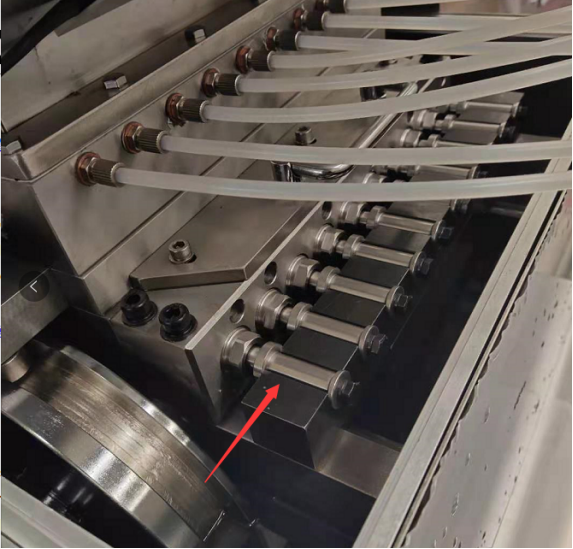
- Install the injection wedge (segment) and the distribution plate (guiding plate) onto the switch plate.
- Remove the left and right covers of the feed pump and check the records of how the pump assembly was assembled. This procedure assumes that material is fed from the right side of the feed plate and that the first hole of the plunger discharges (facing the operator).
- With the main machine running, when the feed pump reaches its extreme left position, turn on the pneumatic switch to fix the feed pump at that position.
- Stop the main machine and place two sheets of thin paper between the two die rollers.
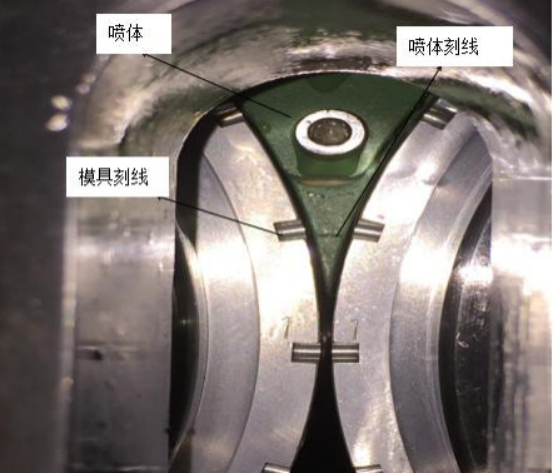
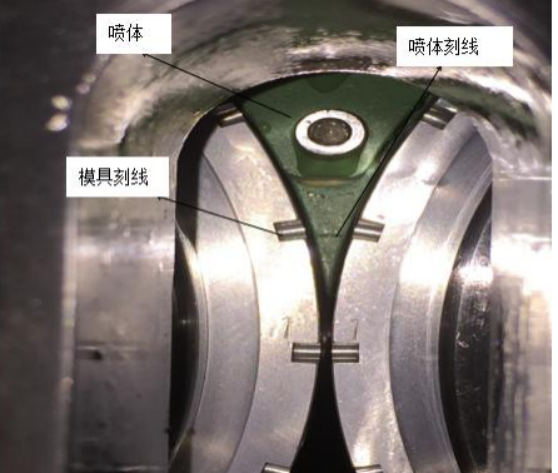
- Start the elevator to lower the syringe (injector) to the injection position, and observe the position of the die roller line and the injection line.
- Press the “Electric” button on the main machine so that the die roller index line and the syringe index line form a “︹” shape.
- Turn off the pneumatic switch and engage the synchronization gear. The synchronization adjustment is now complete.
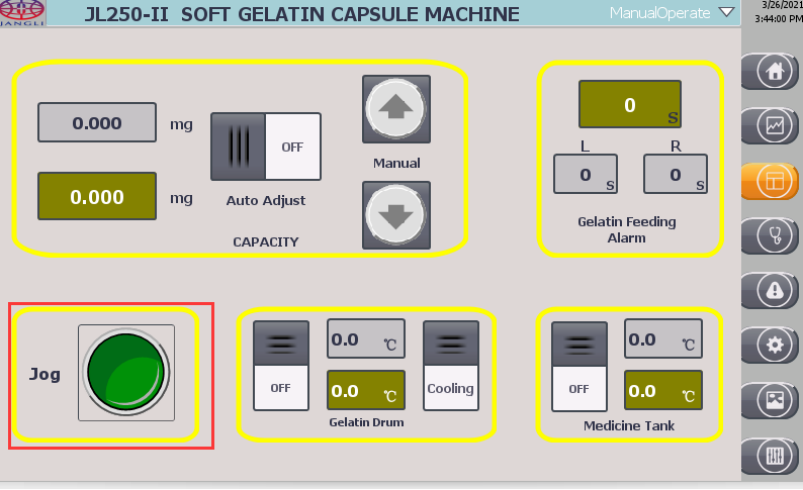
- Refit the left and right covers of the feed pump. Add a small amount of liquid paraffin oil to the liquid hopper, set the machine speed to 1 rpm and start the machine. Close the switch lever of the syringe switch plate and check the liquid injection. If anything is abnormal, shut down and inspect.
That completes die roller alignment and injection timing. During production, if capsules seal badly or leak, do not forget to check the die roller alignment and the timing again. For other causes of leaks, see our articles on lecithin softgel leakage and die roller maintenance.
This video shows the process:
Do Servo-Driven Machines Need Manual Alignment?
No. On a servo-driven softgel machine, die roller alignment and injection timing are adjusted at the touch of a button on the PLC touchscreen. This reduces the manual steps above and suits operators who are new to softgel machines. Servo machines also avoid the vibration of a gear drive. Read about the JL-250III servo softgel machine and our guide to tapioca starch softgel encapsulation, where the choice between gear and servo drive is explained. For the operating routines of the JL-250II, see its user guide.
Frequently Asked Questions
How do I know the die rollers are aligned?
One groove on the left die roller must line up with one groove on the right die roller. Check this with the die roller alignment tooling. Then use the tissue paper test described above before you tighten the bolts.
What is injection timing?
It is the synchronization between the fill pump, the injection wedge and the die rollers, so the fill is delivered into the cavity just before the rollers close and seal the capsule. Poorly set timing causes uneven fill weight, weak bonding and deformed capsules.
Why do my capsules leak after I install new die rollers?
Check the alignment and injection timing again first. Then check the rollers for damage, the shell ribbon thickness, the seal temperature, and whether the fill is compatible with the shell. See our guides to die roller inspection and lecithin softgel leakage.
What do I need to adjust the injection timing?
You need the machine’s own controls (the “Electric” button, the pneumatic switch and the synchronization gear), two sheets of thin paper, and a small amount of liquid paraffin oil for the test run. Follow the machine manual for your model.
Do I still need to adjust alignment on a servo machine?
Alignment and injection timing are adjusted from the PLC touchscreen, so you do not use the manual procedure above. You should still inspect the die rollers and watch the seam quality.
Who can help if I cannot get the alignment right?
Contact JANGLI with your machine model and a description of the problem, and our team will advise.
Written by Wendy Yu, JANGLI. Last reviewed: [2026] . Specifications and procedures may change, so please confirm details with us before you operate the machine.
Tell us your machine model and the problem you see, and we will advise.