


How to Plan a Gelatin Preparation Workflow
A gelatin preparation workflow has four jobs: melting and mixing the shell material, adding color, holding the prepared mass at temperature, and supplying it to the encapsulation machine. Choose equipment for the whole sequence, not for one tank, and confirm what each proposal includes.
Which Equipment Covers Which Stage
| Stage | Equipment | What the product page lists |
|---|---|---|
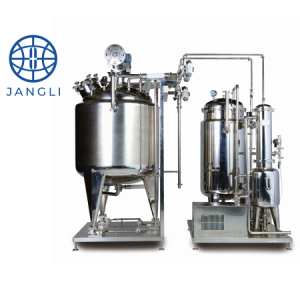
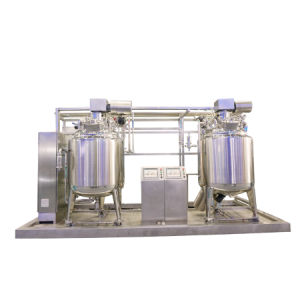
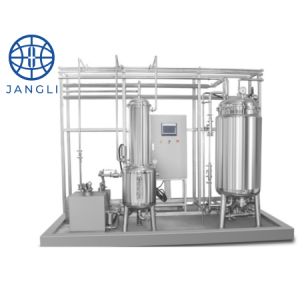
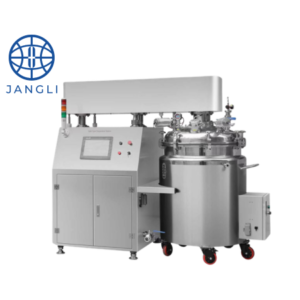
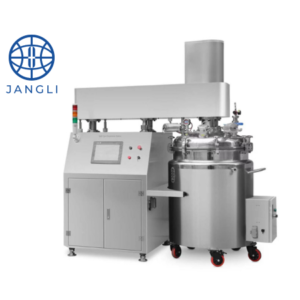
| Melting, fully automated | Fully Automatic Gelatin Melting System (JLZD series) | Automatic proportioning, heating, mixing, deaerating and filtering, with weighing and CIP cleaning in the system. Listed volumes: 600, 800, 1,000 and 1,200 L. |
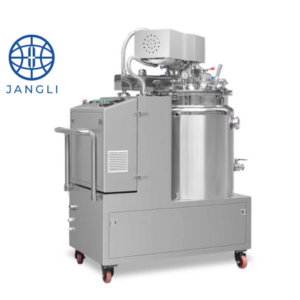
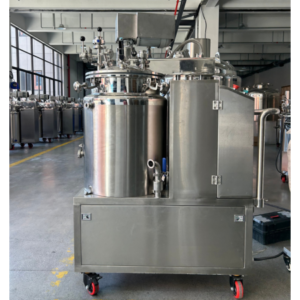
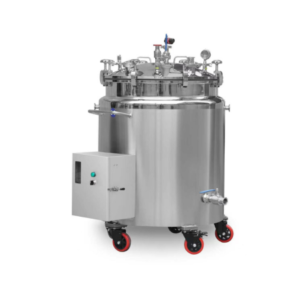
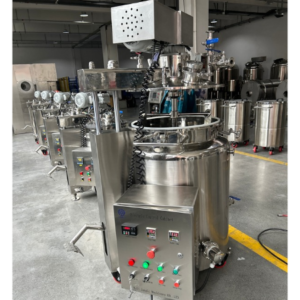
| Melting, detachable tank | One-pot Gelatin Melting Tank | Split design: the tank separates from the stirring assembly and can be moved to the encapsulation area. Vacuum, heating and PLC-set melting, stirring and degassing. Listed sizes: 200, 300, 400 and 450 L. |
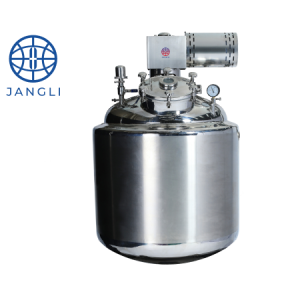
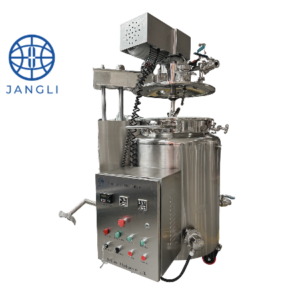
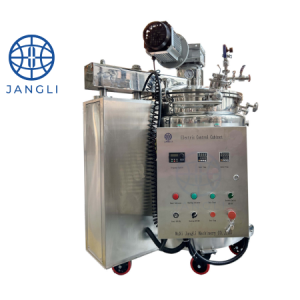
| Melting, small batch or R&D | Integrated Mobile Gelatin Melting Tank | All-in-one mobile unit with built-in vacuum, positioned for small-batch and laboratory use. Listed sizes: 50, 100 and 200 L. |
| Melting, other configurations | JLRJ series melter, split-type portable melter, auxiliary equipment | See each product page for capacity and scope of supply. |
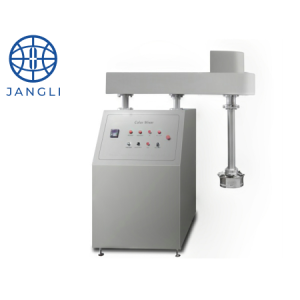
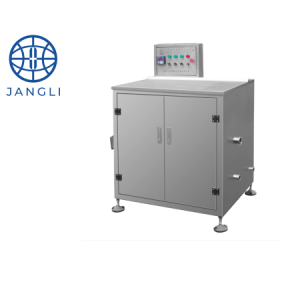
| Color preparation | JL-SS Gelatin Color Mixer | For adding color as a separate step. See the product page for scope. |
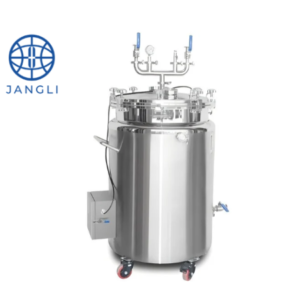
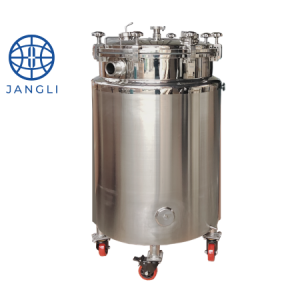
| Holding and supply | All-heating Gelatin Service Tank | Water-jacketed body and a heated lid intended to stop condensation dripping back into the gelatin. Working temperature 25–90 °C. Listed sizes: 200- 250L. |
| Holding and supply | JLBW Series Gelatin Holding Tank | Top or bottom discharge. Standard sizes from 200 to 350L, with custom sizing available. |
| Shell reclaim | Softgel Mesh Gelatin Film Recycling Machine | For recycling gelatin film mesh. See the product page for scope. |
| Starch-based shells | Split-Type Mobile Starch Gel Melting Tank | Dedicated equipment for starch gel melting. See the product page. |
Prepare a System-Level Inquiry
To compare proposals on a consistent basis, include the following in your inquiry:
- Shell material and formulation, including whether the project uses gelatin or a starch-based shell.
- Required usable batch size, daily production schedule and encapsulation demand.
- Number of formulations or colors and the expected changeover schedule.
- Existing equipment you want to keep, installation layout and the intended material transfer route.
- Available utilities, preferred automation level, and cleaning or documentation requirements.
Keep Shell Preparation Separate from Fill Preparation
This category covers equipment for the capsule shell material. If your project also prepares the material inside the capsule, see the medicine preparation equipment and define how both preparation areas will supply the encapsulation line.
Related Guides
For process background, read what gelatin does in softgel encapsulation and how it is melted and prepared and how to equip a softgel production line. For starch-based capsules, see the tapioca starch softgel encapsulation machine guide.
Gelatin Preparation System FAQ
How do I decide between separate machines and an integrated preparation system?
Start by listing the operations your project needs: batch preparation, color mixing, holding and transfer. Then compare what each proposal includes. For example, the integrated mobile unit combines melting, stirring and vacuum in one mobile tank, the one-pot system separates the tank from the stirring assembly, and the fully automatic system adds weighing and CIP cleaning. Ask for the scope of supply in writing instead of assuming that “integrated” covers every item your site needs.
How should preparation capacity be matched to an encapsulation line?
Evaluate the complete batch cycle against the line’s shell-material demand, including preparation time, transfer, holding, cleaning and changeovers, not nominal tank volume alone. Listed melting sizes on this page run from 50 L (integrated mobile unit) to 1,200 L (fully automatic system). Send your operating schedule so the melting and holding arrangement can be reviewed together.
What is the difference between a gelatin service tank and a gelatin holding tank?
On our product pages both names describe the same stage: holding prepared gelatin at temperature and supplying it to the encapsulation machine. The two tank families differ in features. The All-heating service tank has a heated lid and lists 200 L and 250 L sizes. The JLBW series offers top or bottom discharge and sizes from 200 to 350 L, plus custom sizing. Choose by tank location, discharge layout and size.
Should gelatin and starch-based shell projects use the same equipment specification?
Do not assume they can. Some product pages list compatibility with both animal gelatin and starch-based materials; treat that as a starting point, not a guarantee for your formulation. Identify the intended shell material first, review the dedicated starch gel melting tank, and ask us to confirm the proposed configuration for your recipe.
What changes when a production line runs several shell colors or formulations?
Planning expands to batch separation, sequencing, cleaning and identification during transfer and holding. Tell us how often colors or formulations change and whether different batches must be available at the same time. That decides whether shared equipment or separate preparation and holding stages, with a color mixer where needed, should be evaluated.