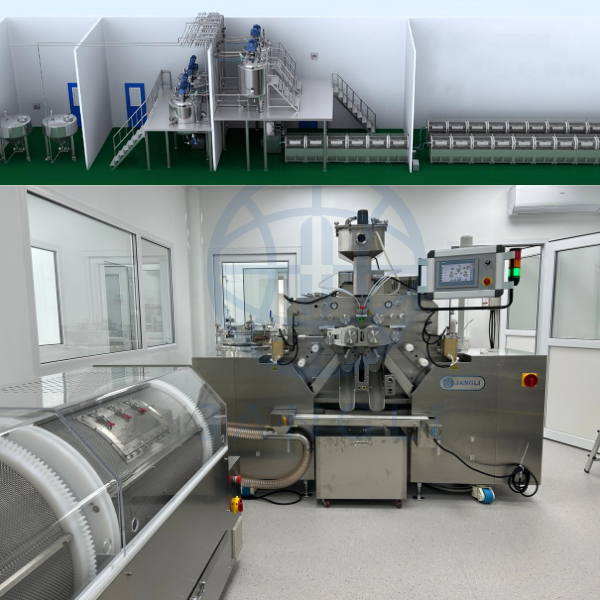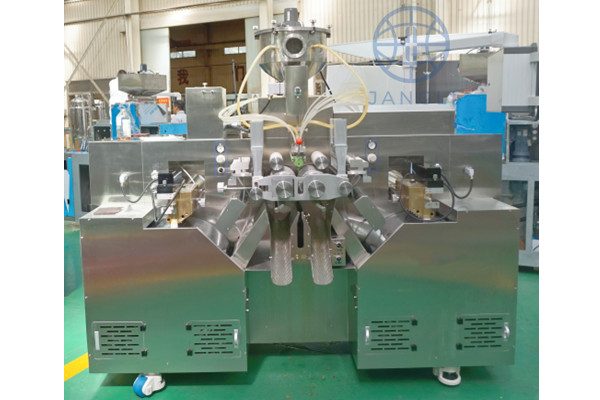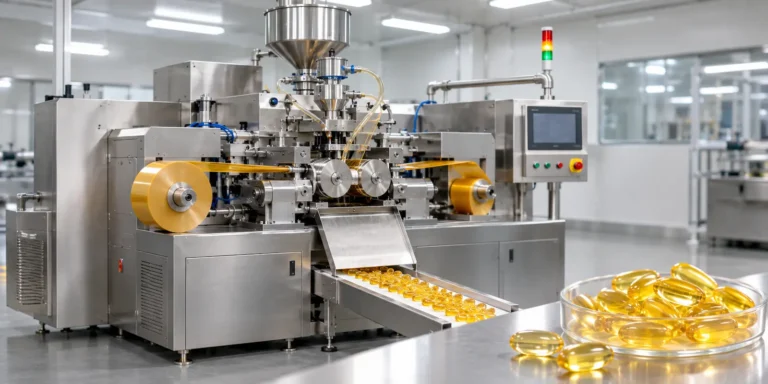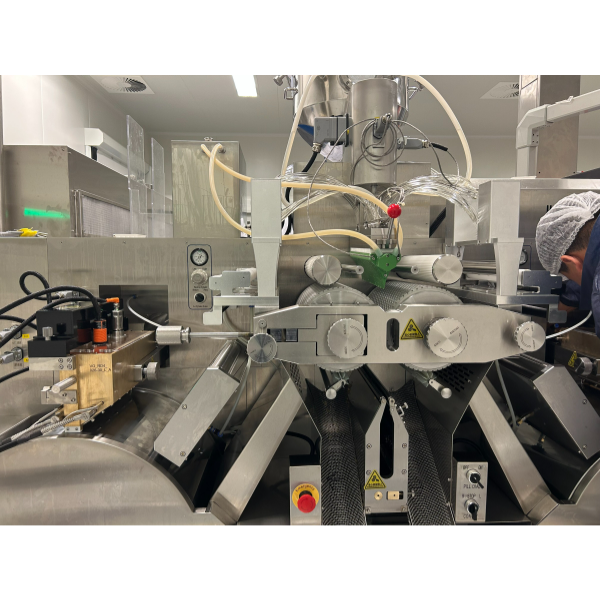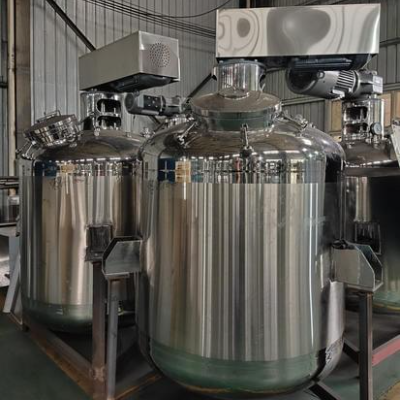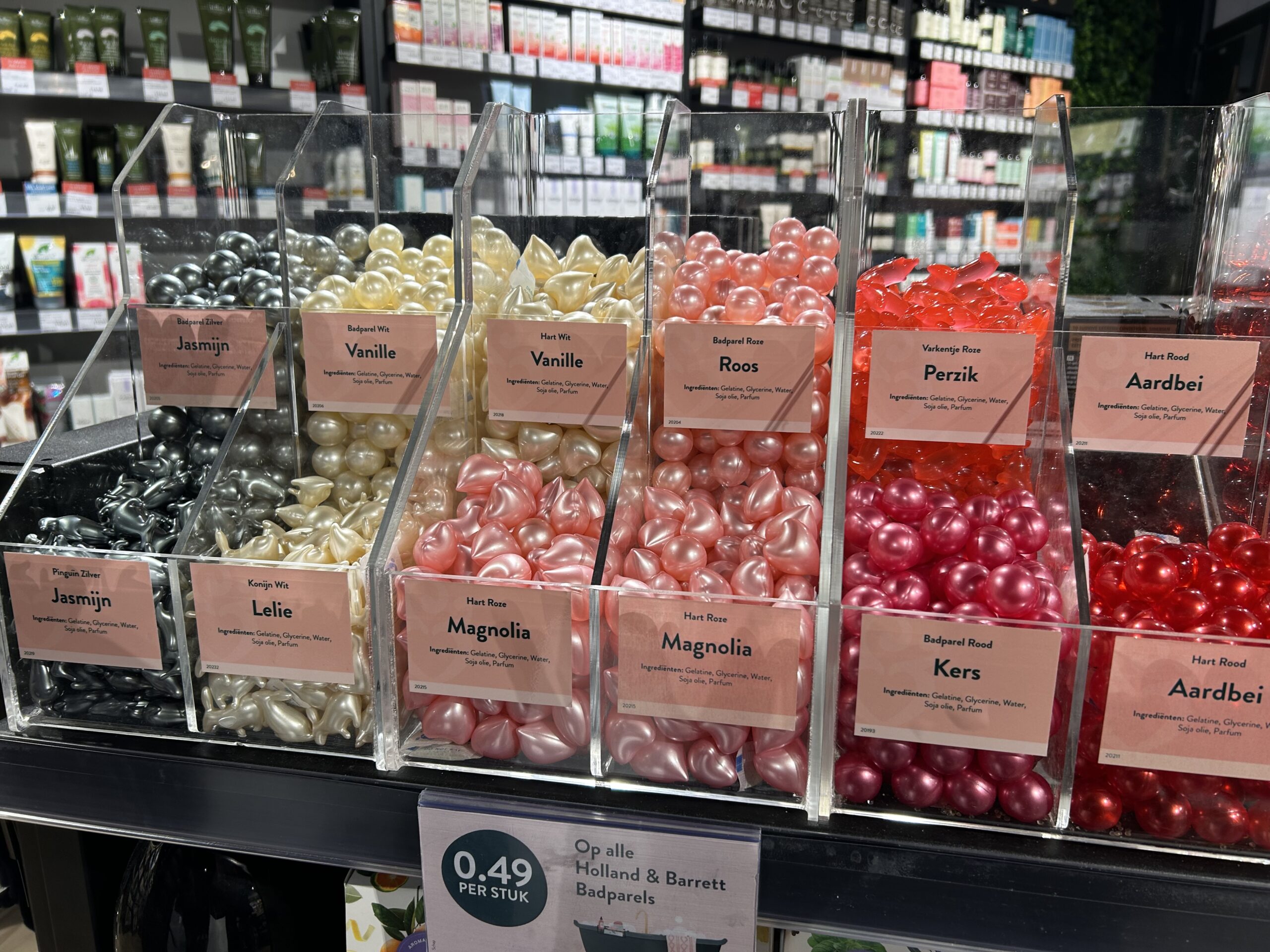
Cosmetic softgel capsules are sealed softgels filled with skincare, hair, bath or beauty formulations. They are either swallowed (beauty supplements) or twisted open and applied to the skin (topical, single-dose capsules). Both kinds are made on rotary die softgel encapsulation machines. The differences are the fill, the shell and the die roller design.
Key Takeaways
- Two formats: topical twist-off capsules for the skin, and oral beauty supplements.
- Fill: oils and non-water carriers. Water-based fills do not suit a softgel shell.
- Tooling: shaped capsules (hearts, butterflies and similar) need a custom die roller set and tuned machine settings.
- Regulation: what you may claim on a cosmetic is different from a drug. Check your target market’s rules.
Interest in softgels has grown in the cosmetics and skincare industry, and machine manufacturers are seeing more demand from beauty brands. Softgels hold anti-aging compounds, oils, serums and other active ingredients in a pre-measured, sealed unit. This guide explains the types of beauty softgels, their benefits, common ingredients, and the JANGLI machines used to make them.
What Types of Softgel Beauty Products Are There?
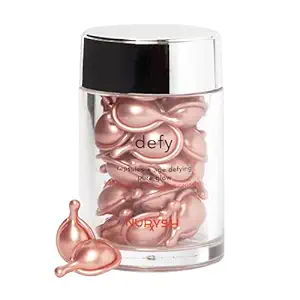
Manufacturers use the same softgel encapsulation equipment for supplements, pharmaceuticals and cosmetics. Cosmetic softgels differ in their fill contents, and some critical parts need adjusting to get the result you want. Developing the cavity design of a die roller set for a cosmetic capsule can take extra work because beauty products come in so many shapes. A well-made set produces capsules that are full, attractive and the right shape.
Topical Twist-Off Capsules
These are single-dose capsules for use on the skin, hair or body. The user twists off a tip and squeezes out the contents. A one-piece softgel shell with a twist-off tip is not the same as a two-piece hard capsule with a cap and body. Suppliers market them as a portable, less messy alternative to jars and tubes, and some offer dual-chamber versions that hold two separate formulas in one capsule.
Oral Beauty Supplements
Some beauty softgels are swallowed. Typical fills include vitamin E and fish or borage oils, sold as supplements for skin, hair and nails. They are made like other nutraceutical softgels. See our guide to softgel machines in the nutraceutical industry.
Cosmeceuticals
“Cosmeceutical” describes beauty products marketed as having drug-like benefits. The term is not recognized under the Federal Food, Drug, and Cosmetic Act: in the US, a product is a cosmetic, a drug, or both, depending on its intended use and claims. Cosmeceuticals typically contain bioactive, plant and botanical ingredients and are marketed for the appearance of skin, for example dryness, redness, age spots or uneven tone, for collagen support, and for protection from environmental stress. A claim to treat a skin condition can make a product a drug.
Dermatological Softgel Capsules
Dermatological softgels are oral medicines used to treat skin conditions, not cosmetics. One example is isotretinoin, a retinoid softgel prescribed for severe acne when other treatments have failed. It must only be used as directed by a doctor. Medicines like this are made under pharmaceutical rules, which are stricter than cosmetic ones.
Plant-Based Cosmetic Softgels
Many beauty consumers prefer natural ingredients, and some avoid animal-derived products. A plant-based shell serves them. Starch is the most widely used plant-based shell material. Tapioca starch systems can form a shell without carrageenan, while pea starch lacks the strength on its own and needs carrageenan for gelling. Carrageenan, a seaweed extract, is also used as the main shell material in some plant-based twist-off capsules. For more detail, read our guide to non-animal softgel capsules.
This video shows a vegetarian softgel run:
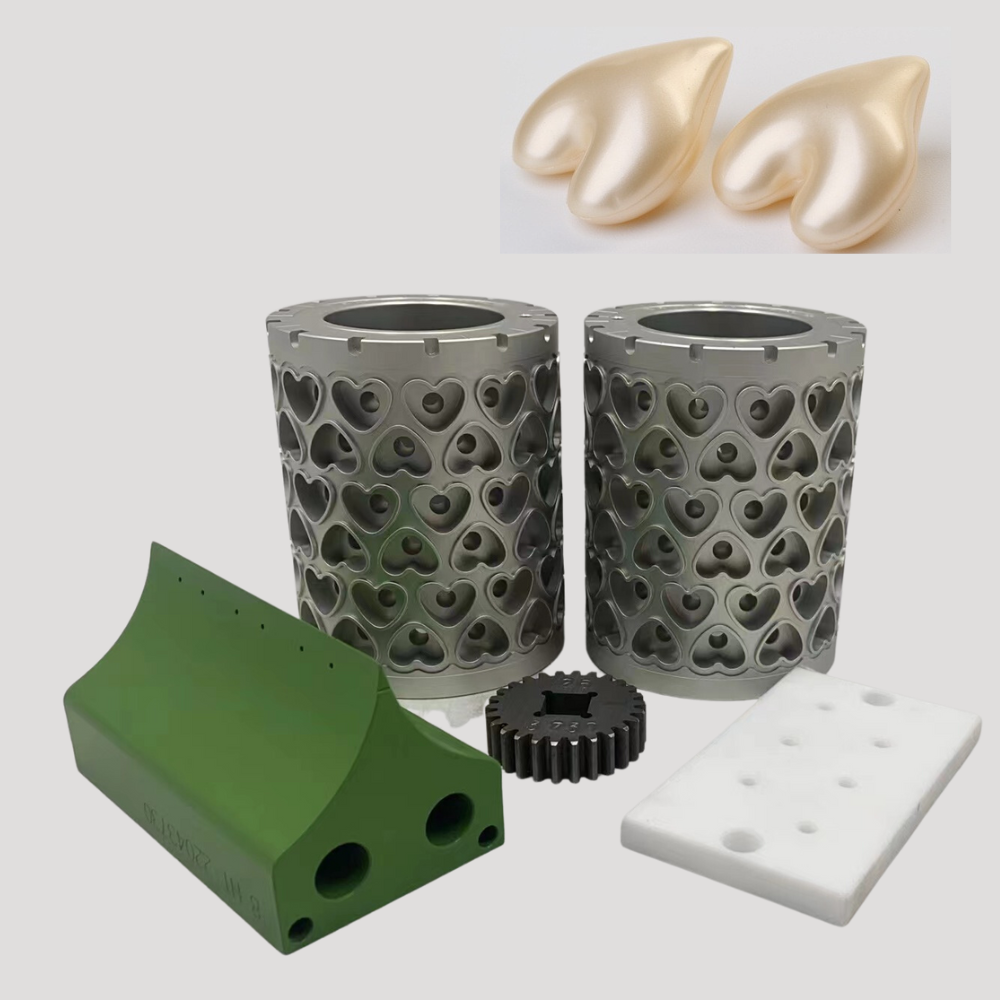
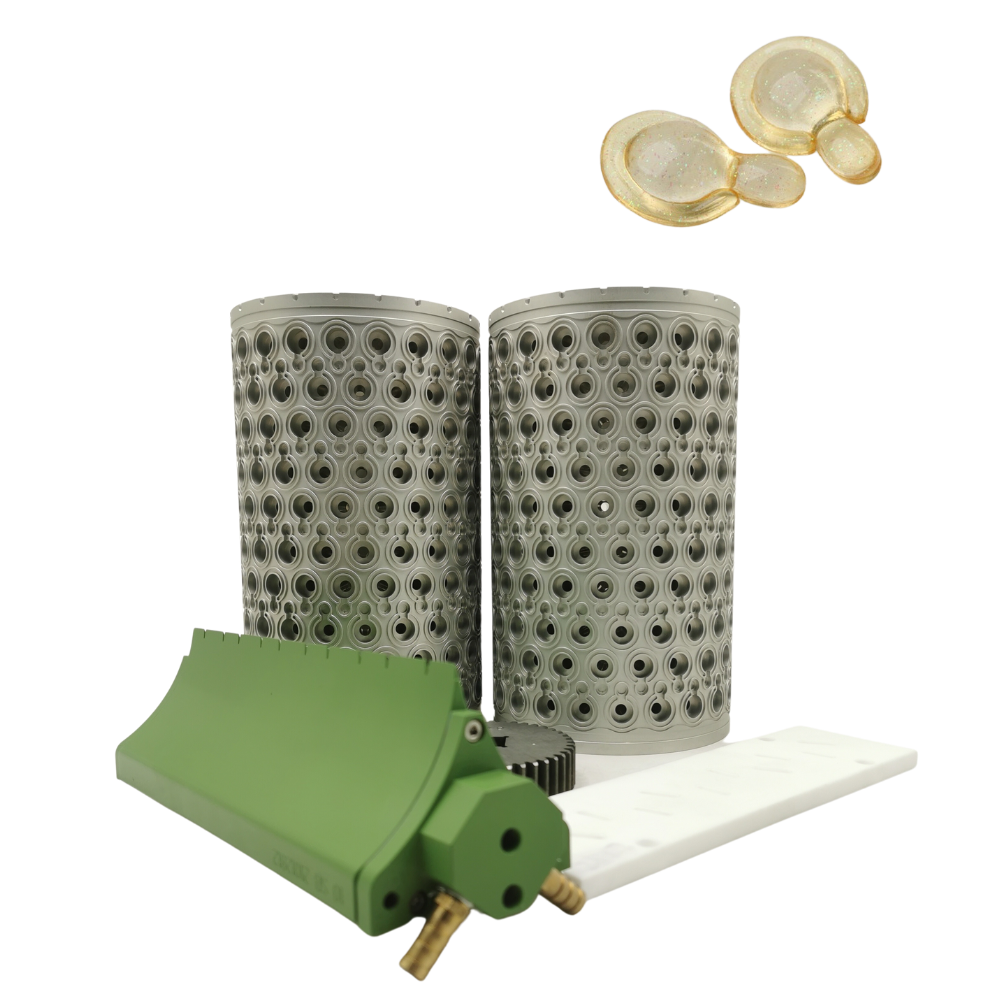
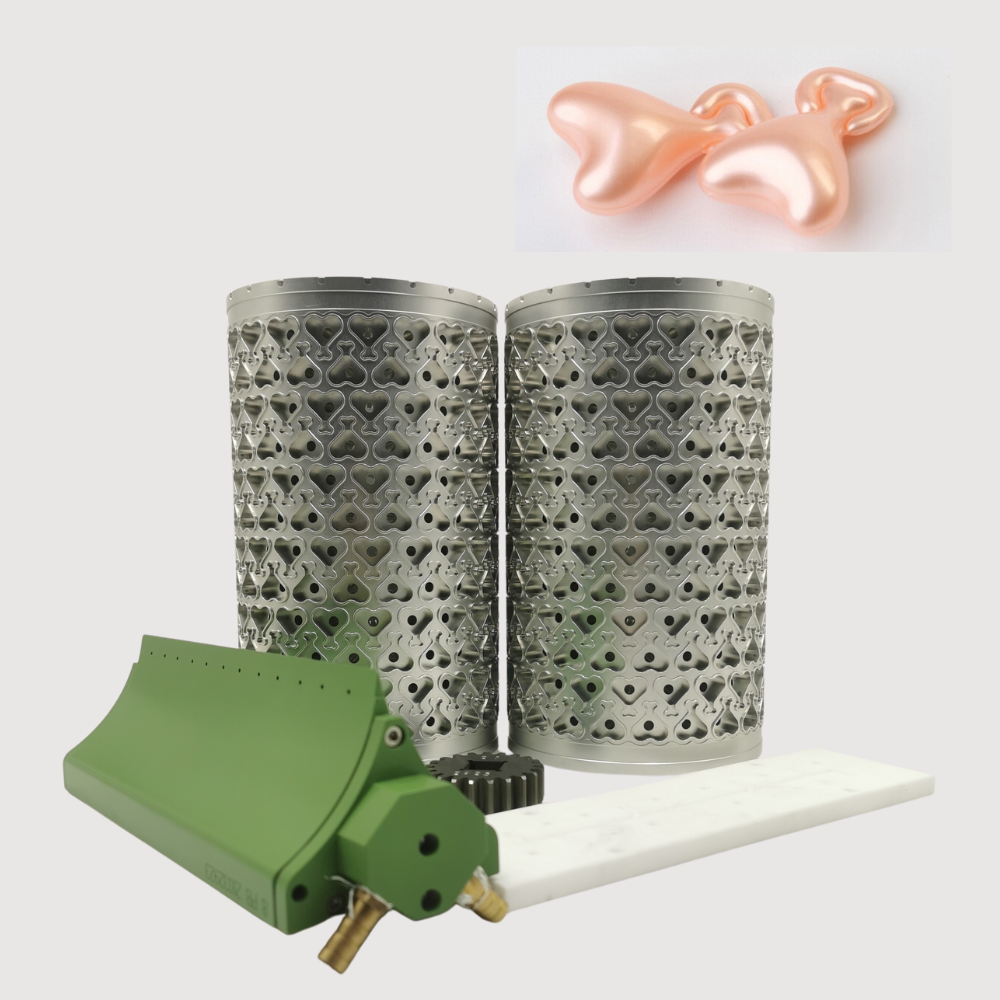
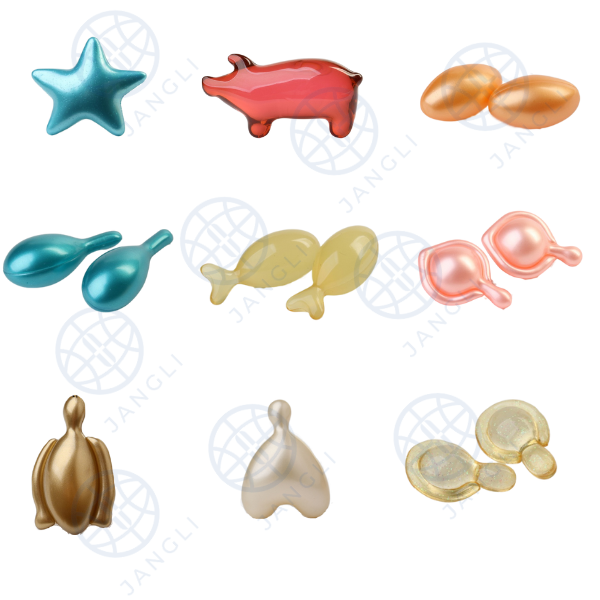
Custom-Shaped Cosmetic Softgels
Softgels can be customized to suit your product. Our design team can modify the softgel die roller set to give you the cavity layout you need.
What Are the Benefits of Softgels for Beauty Products?
The cosmetic and skincare sector is diverse, with skincare, fragrance and hair care as its main segments. Compared with creams and jars, softgels offer clear advantages. The table summarizes them.
| Consumer Advantages | Technical Advantages |
| Portable for travel and on-the-go use. | Single-use capsules keep each dose fresh. |
| Many attractive shapes and colors. | A sealed shell limits exposure of ingredients to light and air. |
| Small portions that are simple to twist off and apply. | Oil-based concentrated formulas can often be made without water, which can reduce the need for preservatives. This depends on the formula. |
| A pre-measured dose each time. | Suitable for a range of cosmetics, bath additives and fragrances. |
| Less mess than jars and tubes. | Plant-based shells are available for brands that need an animal-free product. |
What Ingredients Are Common in Softgel Beauty Products?
The fill of a cosmetic softgel must be non-aqueous. Common ingredients include:
- Silicone oil: long used as a skin conditioner. Its spreading properties help the other ingredients work.
- Liquid paraffin (mineral oil), vitamin E and plant oils such as borage oil, which act as carriers or conditioners.
- Active ingredients such as retinol, which is sensitive to air and light. A sealed capsule helps protect it, but stability still needs formulation testing.
- Fragrance and bath oils for bath beads and body products.
Glycerin is normally a shell plasticizer, not a fill ingredient. The shell material also matters. Animal gelatin is the most common shell, and gelatin shells can stiffen in very cold conditions, which can make a twist-off capsule harder to open. Plant-based shells behave differently, so test your capsule under the temperatures it will meet in storage and use.
Which Softgel Machines Suit Cosmetic Production?
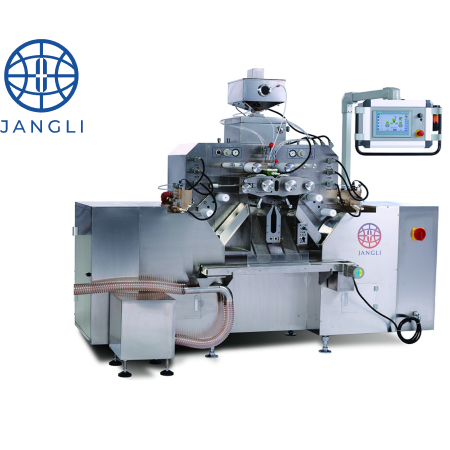
Shaped cosmetic capsules usually need a custom die roller and careful speed settings, because irregular shapes are harder to form and seal than a standard oval. When you evaluate a machine for cosmetic work, check four things: appearance, color uniformity (including mixed-color capsules), seal quality and how easily you can control gelatin melting, coloring and machine parameters. We supply softgel encapsulation machines for cosmetic and skincare capsules.
JL-150III Softgel Encapsulation Machine
The JL-150III is a medium-sized machine for medium production. It suits pharmaceutical, nutraceutical, and cosmetic and skincare softgels.
It is one of our newer machines. A servo motor drive increases stability and speed, and the machine has a small footprint and a simple design. It runs both animal and plant-based shell materials. A recipe storage function saves the operating settings for each product so you can recall them when needed.
JL-250II Softgel Encapsulation Machine
The JL-250II is a commercial-scale machine for high-volume production. It has a PLC and HMI touchscreen with a simple interface, which makes cleaning, operating and maintaining it straightforward. It is also used in other fields besides cosmetics, including paintball, health care, veterinary and pharmaceutical production. See the JL-250II user guide and our article on paintball production.
JL-250III Softgel Encapsulation Machine
The JL-250III is similar to the JL-250II but adds a servo motor. Published figure: 200,000 capsules at 7 RPM [[VERIFY: state the unit of time, for example per hour or per day]]. It suits long runs of cosmetic softgels, with animal gelatin and carrageenan-based shell materials. A PLC touchscreen runs its functions. See our article on the JL-250III main features.
How Do You Choose a Softgel Encapsulation Machine for Cosmetics?
Check the technical specifications first, because they decide performance. Our guide to machine evaluation covers more.
- Capacity: decide how many capsules you need per year, divide by your working days, and you have the daily capacity to look for.
- Capsule shape: round, oval, oblong and tube are the common shapes. Special shapes need a custom die roller set.
- Machine speed: how many capsules the machine makes in a given time. Speed can be adapted to your needs.
- Control system: an easy HMI control panel reduces operating errors.
- Power consumption: compare the rate with the machine’s output.
- Size: small, medium and large machines exist. Pick one that fits your volume and your space.
To get a useful recommendation, send us your capsule shape and size, fill type, shell type (gelatin or plant-based), target output and sales markets.
Conclusion
Demand for innovative cosmetics and skincare products is raising interest in softgel capsules. Choose the format (topical or oral), the shell and the tooling first, then match the machine to your volume. At JANGLI, we build softgel encapsulation machines and die roller sets to fit those needs.
Frequently Asked Questions
What are cosmetic softgel capsules?
They are softgels filled with beauty formulations. Topical versions are twisted open and applied to the skin, hair or body. Oral versions are swallowed as supplements. Both are made on rotary die machines.
What is the difference between twist-off and cut-off cosmetic capsules?
A twist-off softgel has a tip you twist off to release the contents, which can hold non-aqueous liquids and is suited to skin, hair and body use. A cut-off capsule, such as a vitamin E capsule, has a plain shell that you snip open with clean, sanitized scissors before squeezing the contents onto your skin. Some bath bead softgels dissolve in warm water and release an oil.
Does the gelatin shell lighten or improve skin?
No. In a cosmetic softgel the shell is only a container. Any benefit comes from the fill, and each claim needs support under your market’s rules. Gelatin is made from animal collagen, but that does not mean a gelatin capsule shell changes skin collagen levels.
Can cosmetic softgels have a plant-based shell?
Yes. Starch- and carrageenan-based shells are used for animal-free beauty products. They behave differently from gelatin, so the die roller and settings need tuning. See our guide to non-animal softgel capsules.
Can you make custom-shaped cosmetic softgels?
Yes, with a custom die roller set. Our design team can modify the cavity layout to match your capsule design. Send us your shape and size so we can advise on feasibility.
How is the quality of softgels checked?
After drying, capsules are inspected for shape, size, leaks and shell defects such as cracks or holes, either by hand or with an automatic inspection and sorting machine. Rejected capsules are removed before packaging. See our cleaning and inspection equipment.
Written by Wendy Yu, JANGLI. Last reviewed: [2026]. Specifications may change, so please confirm details with us before ordering.
Send us your capsule shape, fill and target output, and we will recommend a model.