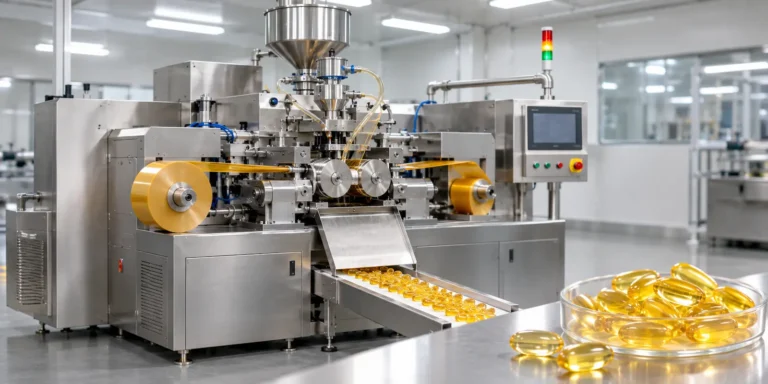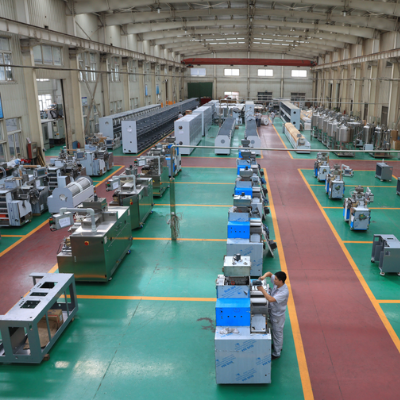
Softgel machine fall into three capacity classes: lab-scale machines (about 5,000 to 25,000 capsules per hour), medium-scale machines (about 50,000 to 100,000 per hour) and high-speed machines (up to 200,000 per hour or more), plus customized machines built to your requirements. The right class depends on your output target, budget, capsule sizes and growth plans. This guide explains each class, what decides a machine’s real capacity, and how to choose.
Key Takeaways
- Capacity is the number of capsules a machine makes per hour. The figure a supplier quotes is an estimate.
- Real output depends on capsule size, the number of cavities on the die rolls, machine speed, automation, the fill and the room conditions.
- Start small if you are unsure: a lab-scale machine lets you test formulas before you invest in a production line.
- Match the whole line: the dryer, inspection and packing equipment must keep up with the machine.
Softgel encapsulation machines are used in the nutraceutical, food, cosmetic and pharmaceutical industries. They fill gelatin or plant-based shells with liquid or semi-solid fills and seal them, which protects the contents from outside effects. When you choose a machine, consider your production budget, volume and industry needs.
What Types of Softgel Machines Are There by Capacity?
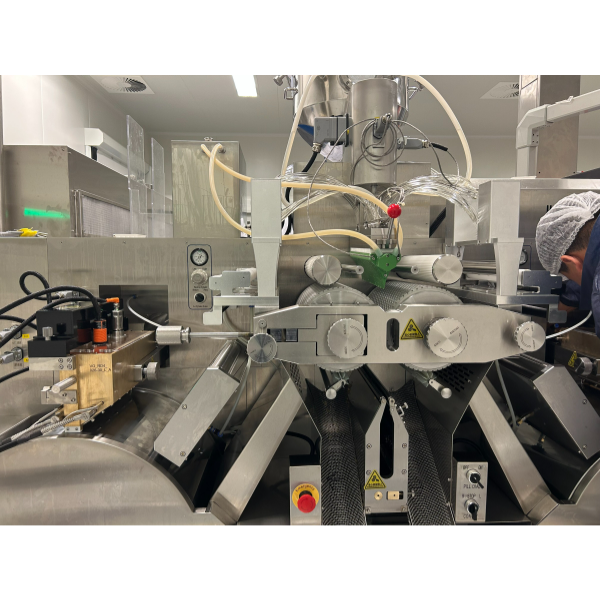
For a softgel machine, “capacity” means the number of capsules it can produce in a given time, usually capsules per hour. Knowing it helps you decide whether a machine fits your production. Most modern softgel encapsulation machines are automatic rotary die machines, in which two shell ribbons pass between a pair of die rolls that form, fill and seal the capsules.
| Class | Typical output | JANGLI models (maximum output per hour) | Typical user |
| Lab-scale | About 5,000 to 25,000 capsules/hour | JL-100II (22,800) | R&D, startups, formula trials |
| Medium-scale | About 50,000 to 100,000 capsules/hour | JL-150III (up to 50,000), JL-250II (up to 100,000) | Contract and small-to-medium manufacturers |
| High-speed | Up to 200,000 capsules/hour or more | JL-250III (200,000), JL-300III ([[VERIFY: JL-300III output per hour]]) | Large pharmaceutical and nutraceutical plants |
| Customized | Set by your requirements | On request | Special capsules or special features |
The classes are a guide. A model such as the JL-150III, with a maximum of 50,000 capsules per hour, sits between the lab and the medium class.
High-speed softgel machines
High-speed machines suit large-scale plants that need very large volumes of softgels, such as big pharmaceutical or nutraceutical companies. They can produce up to 200,000 capsules per hour or more.
- Flexible tooling. Interchangeable die rolls and pumps let one machine make different capsule sizes and formulations.
- Control and monitoring. Advanced automation helps operators watch key variables such as humidity, temperature and drying time, so capsule quality stays consistent.
- Heavy-duty build. They are designed for continuous production. Ask the supplier about materials, quality control and spare parts.
See the JL-250III servo softgel machine.
Medium-scale softgel machines
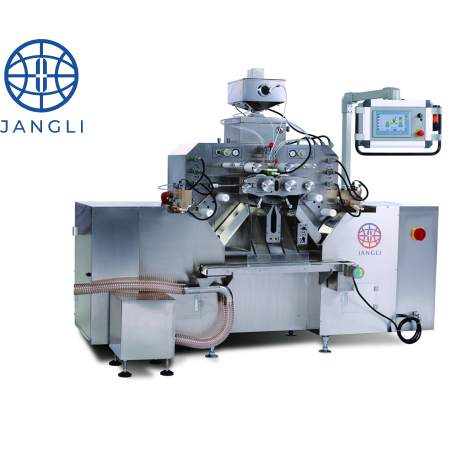
Medium-scale machines balance output, flexibility and cost. Contract manufacturers and small to medium-sized producers use them to make about 50,000 to 100,000 capsules per hour.
- Several capsule sizes with interchangeable die rolls for different formulations.
- Automation such as accurate dosing, a control system and automatic feeding, which reduces human error.
- Cost-effective growth. They let you raise output without buying a larger, faster machine.
- Easy to run and clean, which reduces downtime.
Lab-scale softgel machines
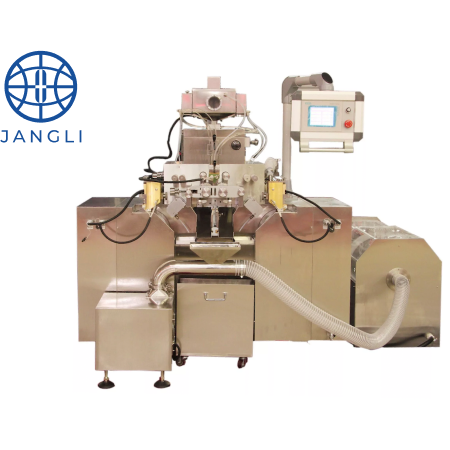
Lab-scale machines are built for small batches in pilot plants and research labs: testing, market samples and formulation research. They make about 5,000 to 25,000 capsules per hour, take up little room and are easy to install and move.
- Quick changeovers with replaceable die rolls and parts, for a range of capsule sizes from small to large.
- Simple controls and processes that suit people new to softgel encapsulation.
- Lower cost, including lower labor, utility and raw material use, which suits startups, small businesses and labs.
See the JL-100II in our guide to the R&D veggie softgel making machine.
Customized softgel machines
Some producers need a machine built to their needs. A customized machine can handle:
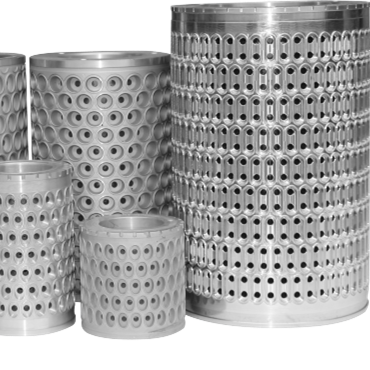
- special capsule sizes and shapes, from standard oval to custom designs, through a custom die roller set;
- different fills, such as oils, suspensions and pastes, with suitable pumps, heating and mixing systems;
- extra features or integration with other equipment, such as automatic feeding, inspection and drying;
- sensitive materials that need special handling or processing conditions.
Work closely with the manufacturer and give clear requirements so the machine is designed to match them. Our guide on how to equip your softgel production line shows the other equipment to plan.
What Affects Softgel Machine Capacity?
On a rotary die machine, output is roughly the number of capsules formed per die roll revolution multiplied by the rotation speed. That is why these factors matter:
- Capsule size. A larger capsule means fewer cavities fit on a die roll, so output per hour falls. This is why a quoted capacity always refers to a reference capsule.
- Machine design and size. A larger die roll can hold more cavities per revolution, which raises the output at the same speed.
- Machine speed. A higher rotation speed raises output, within the limits of seam quality and the drying line.
- Automation level. A fully automatic machine with automatic feeding and precise control can run continuously with little operator input. A semi-automatic machine needs more human help and monitoring.
- Process type. Rotary die machines run continuously. Older plate or reciprocating die processes make capsules in cycles and are slower.
- Operator experience. Trained operators troubleshoot faster, keep the machine well maintained and reach higher real output.
- Efficiency and downtime. Time spent on cleaning, changeovers and maintenance reduces actual output.
A supplier’s stated capacity is an estimate. Your real output will differ with capsule size, machine configuration, room conditions and the formulation. Ask the supplier which capsule the figure refers to.
How Do You Choose the Right Capacity?
The type of machine you choose affects the efficiency, output and quality of your whole process. Check these points. Our article on how to evaluate a softgel encapsulation machine goes further.
| Factor | What to check |
| Production requirements | How many capsules you want to make per hour or per day, now and in the near future. This decides machine size. |
| Budget | The purchase price, and the running cost of labor, raw materials and utilities. Compare features and capacity against value. |
| Reliability | Quality components and precise engineering for continuous production. |
| Capsule sizes and fills | The range of sizes and formulations you plan to make. Choose interchangeable tooling that is flexible enough. |
| Features and automation | Accurate dosing, automatic feeding and a control system that suits your operators. |
| Maintenance and support | Ease of cleaning, spare parts, technical support and maintenance routines. |
| Supplier | Track record, references and the quality of after-sales service. |
| Documents and compliance | The documents you need for your own quality system. Ask for them early. |
| Room to grow | Whether the machine can be modified or expanded for new products or higher volumes. |
Remember the rest of the line. Dryers, inspection and packing equipment must keep up with the machine, or they become the bottleneck. To get a useful recommendation, send us your capsule shape and size, fill type, shell type (gelatin or plant-based) and target output.
Conclusion
Choose capacity by your real production requirement, your timeline and your growth plan. A lab-scale machine suits trials, a medium-scale machine suits steady production, and a high-speed machine suits large volumes. Contact JANGLI and we will help you match a machine to your needs.
Frequently Asked Questions
How many capsules per hour does a softgel machine make?
It depends on the class. Lab-scale machines make about 5,000 to 25,000 per hour, medium-scale machines about 50,000 to 100,000, and high-speed machines up to 200,000 or more. Actual output depends on capsule size and the other factors above.
What decides the capacity of a softgel machine?
Mainly the number of cavities on the die rolls, the rotation speed and the capsule size. Automation, process type, operator skill and downtime then decide how much of that capacity you actually use.
Which machine size should a startup choose?
A lab-scale machine is usually the lower-risk start. It lets you test formulas, make samples and learn the process before you invest in a production line. Move to a medium-scale machine when your orders need it.
Is the stated capacity the same as real output?
No. It is an estimate for a reference capsule under set conditions. Your own output will differ with capsule size, machine setup, room humidity and temperature, and your formulation.
Does a bigger machine always cost less per capsule?
Not always. A larger machine has a higher purchase price and needs more space, utilities and supporting equipment. It lowers unit cost only if you can keep it running at high utilization.
What other equipment must match the machine’s capacity?
The gelatin or shell preparation system, the tumble dryer and drying capacity, the inspection and sorting machine, and the packing equipment. See our guide to equipping a softgel production line.
Written by Wendy Yu, JANGLI. Last reviewed: [2026]. Specifications may change, so please confirm details with us before ordering.
Send us your capsule shape, fill and target output, and we will recommend a model.