


A set of softgel die rollers can run for at least 12 months under normal use, and most corrosion, dents and pits trace back to cleaning, alignment or gelatin filtration practice rather than to the die roller itself. This guide explains the four most common die roller problems, their causes and fixes, plus how to clean, store and (when possible) repair softgel die rollers.
People in the softgel production industry know how important softgel die roller sets (softgel molds) are to the encapsulation process. A set is expensive because of the complex production process and special materials, so proper maintenance can save a considerable amount of cost.
How long should a set last? Why does a die roller corrode for no obvious reason? Can a dented die roller be repaired? This article answers these questions about softgel die roller tooling.
How Long Does a Softgel Die Roller Last?
Assuming the softgel encapsulation machine runs 8 hours a day and 20 days a month, a set of die rollers can be used continuously for at least 12 months if there is no damage from human error. With correct use, cleaning and maintenance, some of our customers’ die rollers last one and a half to two years, and some sets are still as clean as new after three years.
If your die rollers need replacing after only a few months, check whether your operation, cleaning and maintenance follow the practices below.
Common Softgel Die Roller Problems at a Glance
| Symptom | Likely cause | What to do |
|---|---|---|
| Worn Teflon coating on the injection segment (wedge), wavy seams, irregular capsules | Constant friction between the wedge and the gelatin ribbon | Minimize wear; send a worn wedge back to the manufacturer for re-spraying |
| Indentations on the die roller | Poor die roller alignment, or hard objects falling onto the rollers | Cannot be repaired; train operators and use alignment detection tooling |
| Black spots on the surface | Alkaline detergent, or moisture left on the surface after cleaning | Clean with water or alcohol, dry thoroughly, apply paraffin oil |
| Large concave pits, capsules that leak after a period of production | Undissolved gelatin particles pressed between the rollers | Filter the gelatin liquid with a 100-mesh stainless steel filter or a professional filter screen |
Softgel Die Roller Problems, Causes and Solutions
Injection Segment (Wedge) Wear
Problem: The wedge is in direct contact with the gelatin ribbon and rubs against it constantly during use. This wears the Teflon coating on the segment surface and increases the friction between the gelatin film and the segment. The ribbon then tends to accumulate at the wedge, which causes wavy seams or irregular softgel capsules.
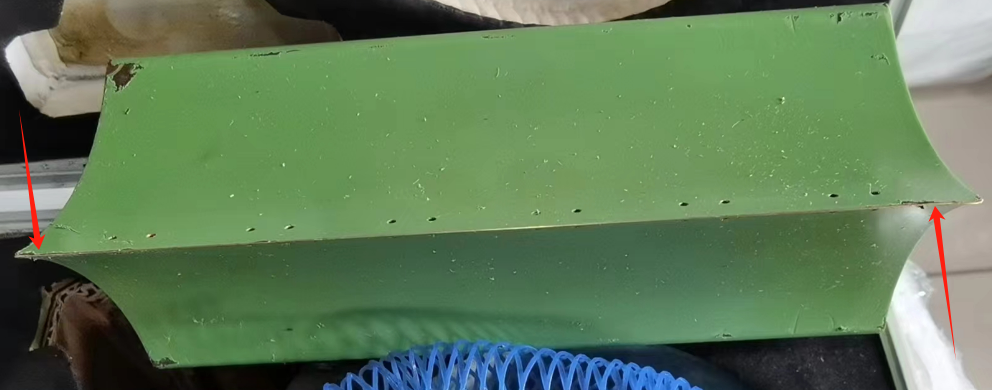
Cause and solution: Every softgel factory meets this problem. Wear is unavoidable in normal production, so the goal is to minimize it. The Teflon coating on the wedge of a JANGLI softgel die roller set is applied with a special spraying process, so it bonds firmly to the wedge surface and does not fall off easily. If the wedge is worn, it must be sent back to the manufacturer for re-spraying.
Indentations on the Die Rollers
Problem: Traditional softgel machines are gear-driven, and the die roller alignment has to be done manually, which is a very delicate step. If the alignment is not done well, once the die rollers are pressurized and start cutting, the edge of a pocket on one roller leaves an indentation on the other roller. This damage is irreparable: once it happens, the die roller can no longer be used or repaired.
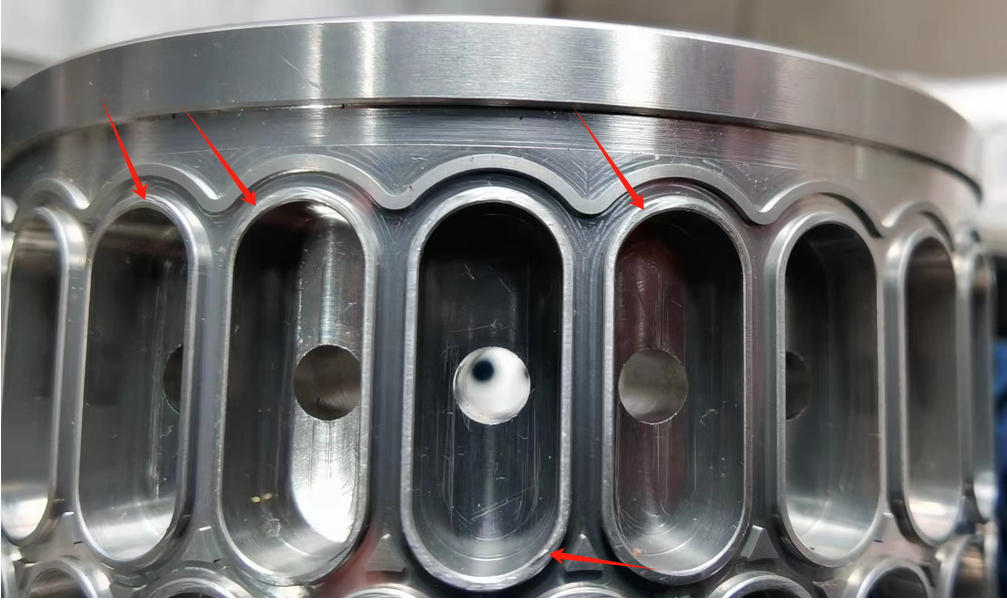
Cause: New operators are prone to poor alignment because of limited experience or because they have not mastered the basic alignment procedure, which crushes the die rollers.
Solution:
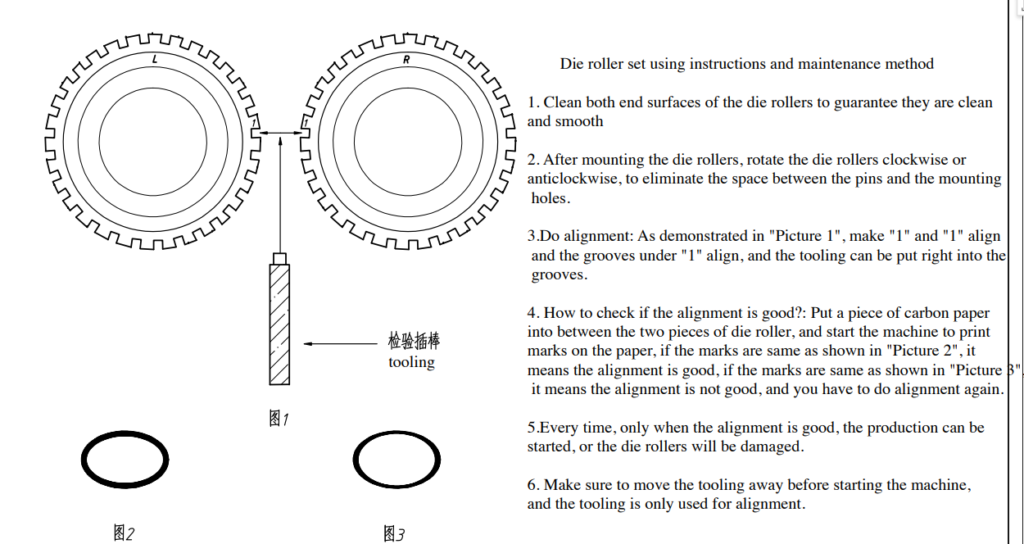
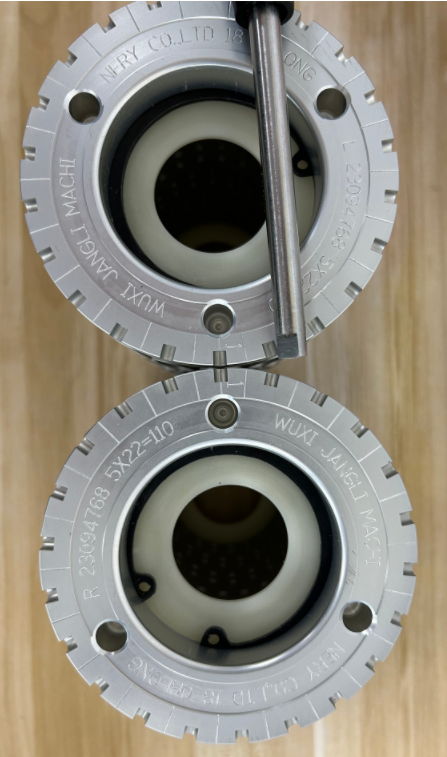
- When training new operators, stress the importance of the die rollers and of correct alignment, and focus the training on the alignment procedure. Never place hard parts or tools in or around the encapsulating area while the machine is running, so that nothing can fall onto the die rollers.
- Use professional, matching die roller alignment detection tooling.
Black Spots on the Die Roller Surface (Corrosion)
Problem: Black spots are distributed irregularly, but they are usually scattered over the whole die roller surface and make the die rollers look dirty. Some spots gradually expand over time. This spot corrosion does not directly cause capsule leakage, but it makes the capsule seams loose, so capsules leak easily after being squeezed or left for a period of time.
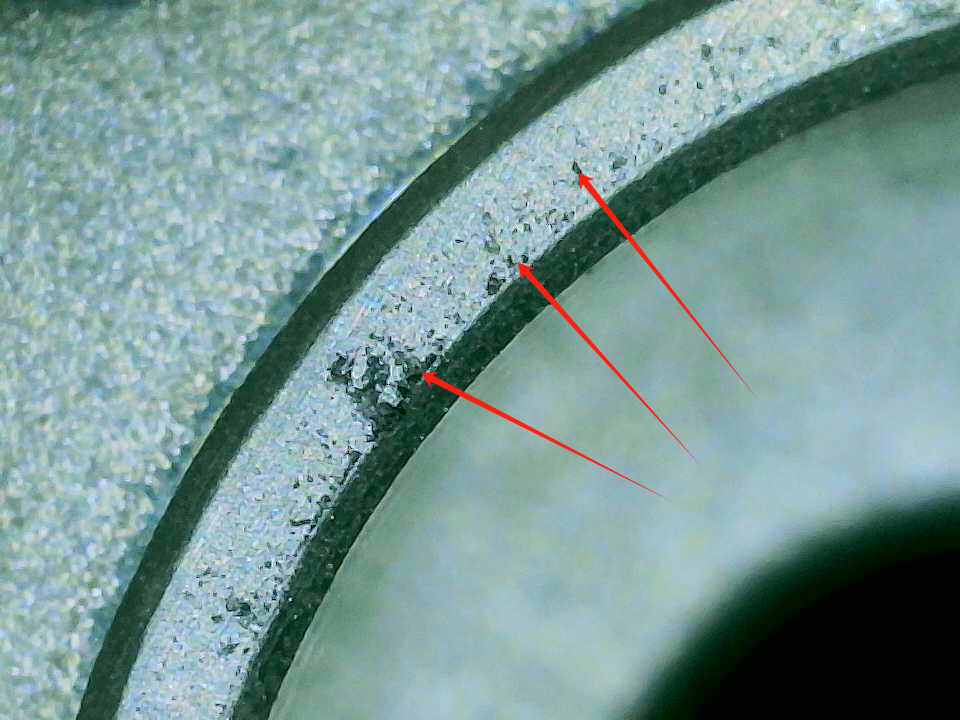
Cause: Black spots mean the die rollers are corroded. One possible cause is cleaning with alkaline detergents such as caustic soda, which attack aluminum and its anodized film. If no alkaline detergent was used, the usual cause is moisture left on the surface after cleaning, which oxidizes in the air and corrodes the die roller.
Solution: Do not clean softgel die rollers with alkaline detergents. Use clean water or alcohol, dry them thoroughly and protect them with paraffin oil. The full routine is in How to Clean and Store Softgel Die Rollers below.
Concave Pits on the Die Roller Surface
Problem: These concave spots are deeper and larger than black spots and look like paint chipped off. They are usually found on the steps around the pockets. When the gelatin film is sealed, these small pits leave tiny holes in the seams. Right after the capsules leave the machine the seams are hot and the capsules are very soft, so the holes may not be obvious. After the capsules have rested for a while, the tiny holes grow as the gelatin film dries and shrinks, and the filling leaks out.
This is why a machine may look normal at start-up, yet the capsules start leaking after a period of production.
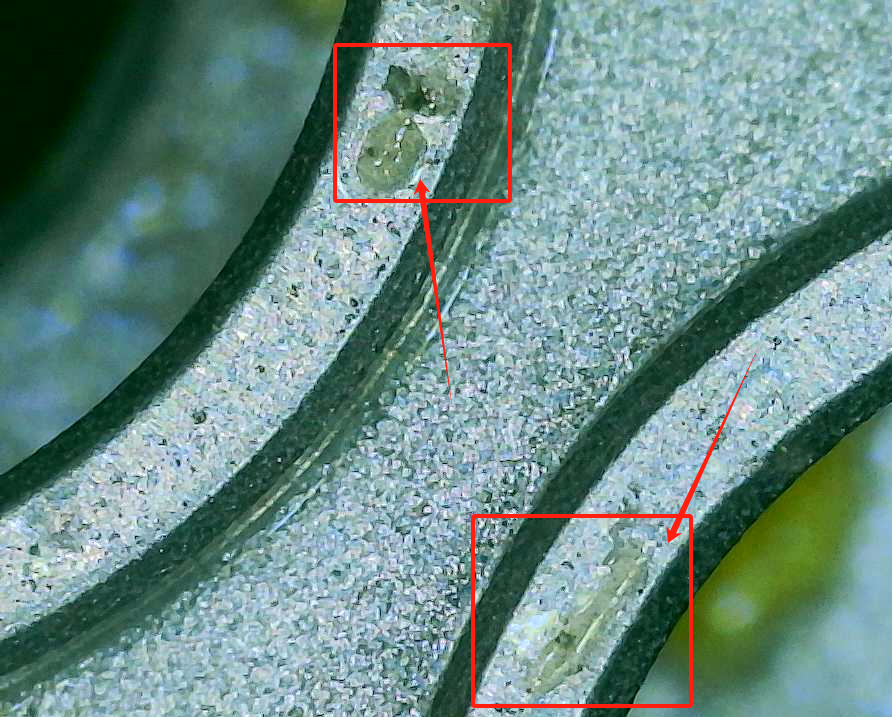
Cause: Pits on the die roller surface mean small particles in the gelatin liquid were not filtered out. When the rollers press together, these hard particles remaining in the gelatin damage the die roller surface.
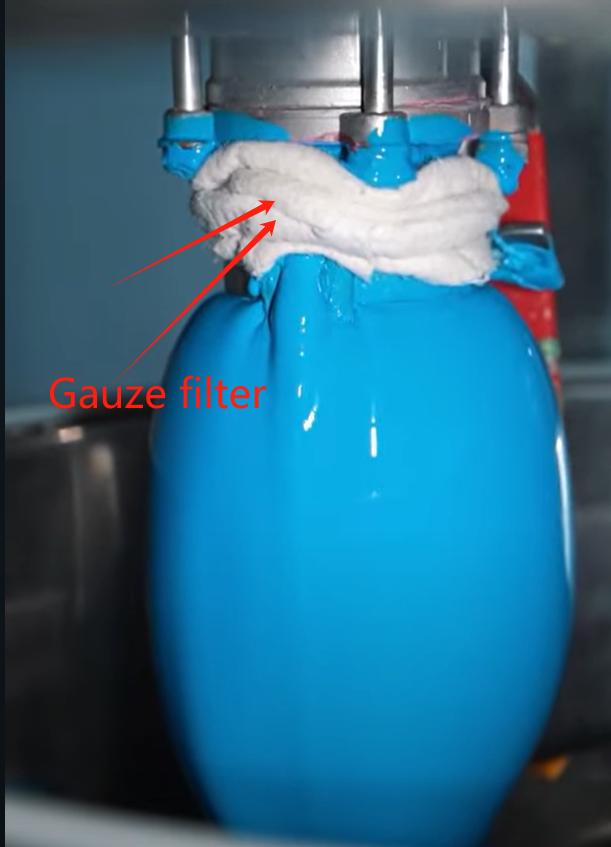
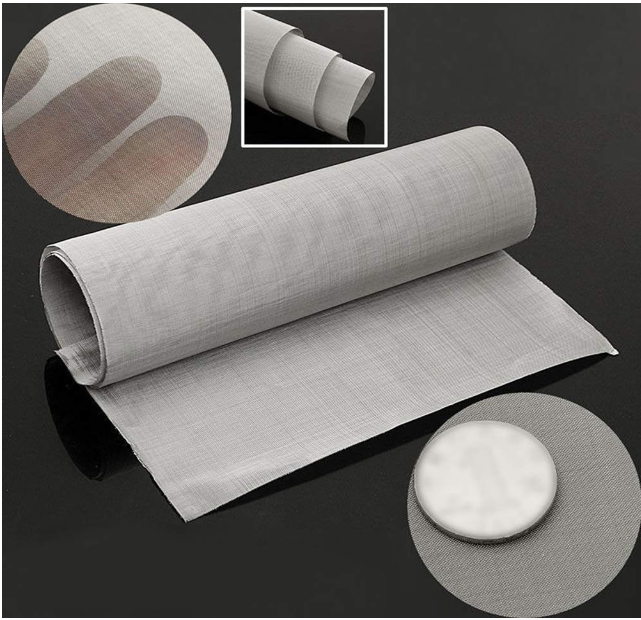
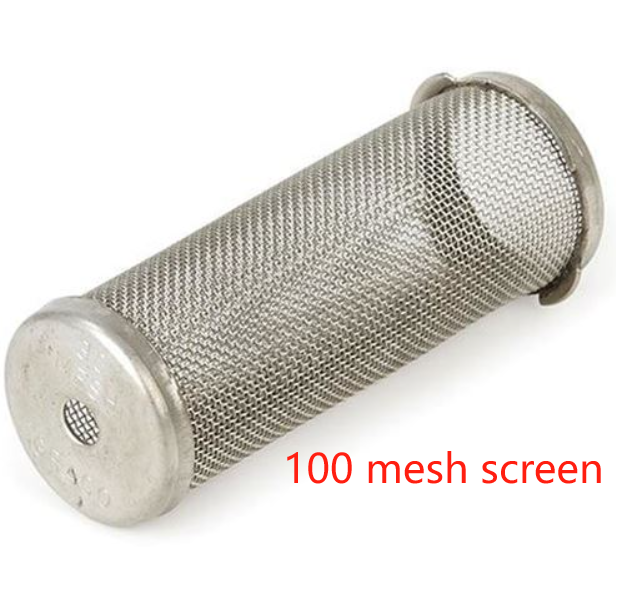
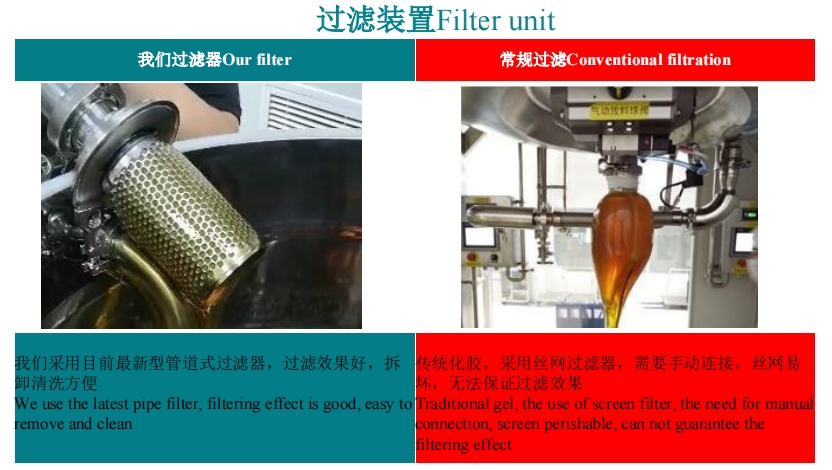
Solution: After the gelatin is melted, the gelatin liquid must be filtered. Do not use gauze, stockings or similar filters: they deform easily and the mesh enlarges, so small gelatin particles cannot be filtered out. Use a 100-mesh stainless steel filter or a professional filter screen like the ones below, which can filter out 99% of the unmelted gelatin particles.
How to Clean and Store Softgel Die Rollers
After each batch of softgel capsules, remove the die rollers and clean them strictly as follows, then store them in a dedicated die roller storage area:
- Clean with clean water or alcohol. Never use alkaline detergents such as caustic soda.
- Blow off the moisture on the surface with compressed air.
- Dry thoroughly with a hair dryer. Make sure no water is left on the die roller surface.
- Apply paraffin oil to the thoroughly dried surface to isolate it from the air.
- Store the die rollers in the die roller box.
Softgel Die Roller Maintenance Best Practices
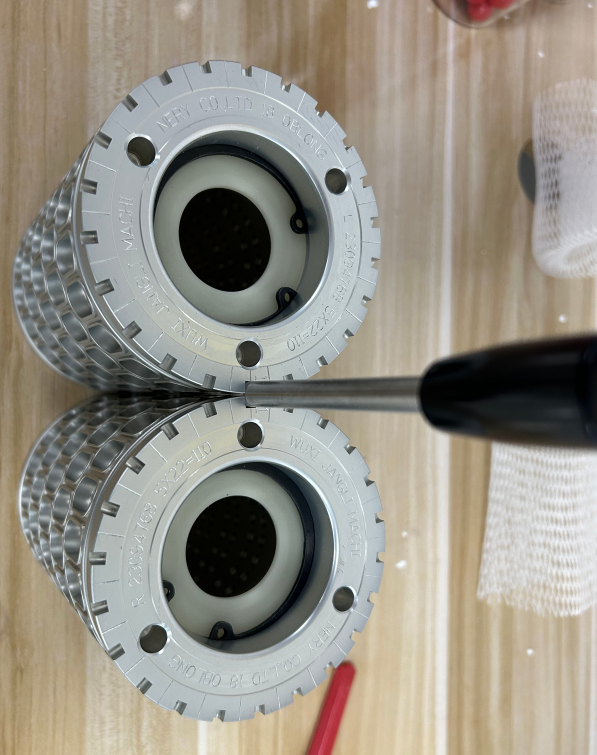
- Inspect every new die roller set before use. Before starting the machine, check carefully for scratches or wear, and check that the die roller size and mounting holes match your softgel machine. A simple inspection tool like the one below can be used.
- Handle with care. A die roller set is fragile and easy to damage, so operators must be very careful when disassembling, cleaning and maintaining it. A special die roller transport cart can be used.
- Clean and store after every batch following the cleaning and storage steps above.
- Filter the gelatin and align carefully. Use a 100-mesh stainless steel filter or a professional filter screen, and use alignment detection tooling when installing the rollers.
- Act early on damage. See Can a Damaged Softgel Die Roller Be Repaired? below.
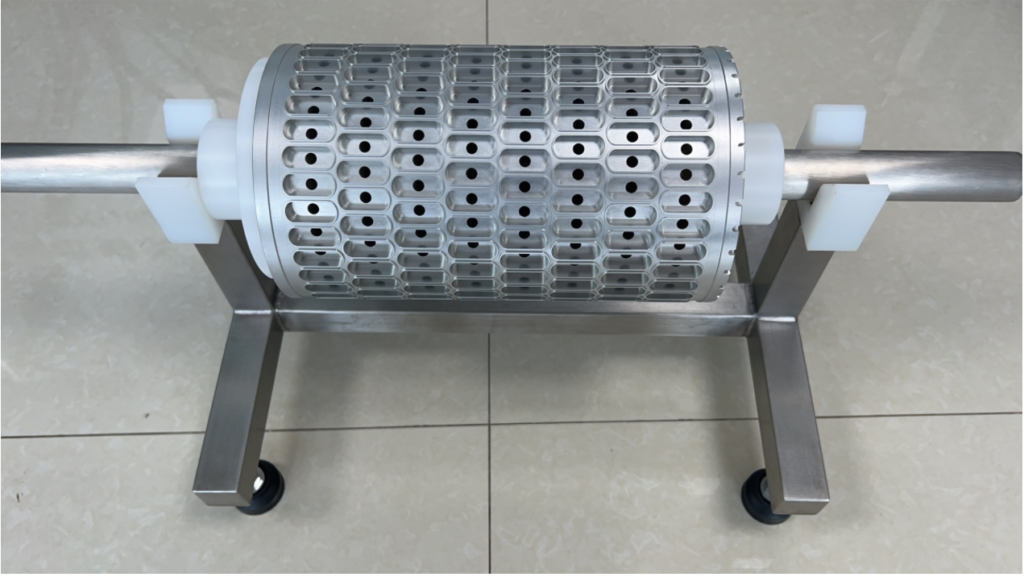
Watch the video below to see how a new die roller set is checked:
Can a Damaged Softgel Die Roller Be Repaired?
Not every damaged die roller is beyond repair, and not every kind of damage can be repaired. Indentations caused by misalignment cannot be repaired, while a worn Teflon coating on the injection wedge can be re-sprayed by the manufacturer. If your die roller is corroded or damaged, contact the manufacturer or a specialist in time and send photos or videos so they can judge whether it can be repaired.
Softgel Die Roller Design, Processing and Repair at JANGLI
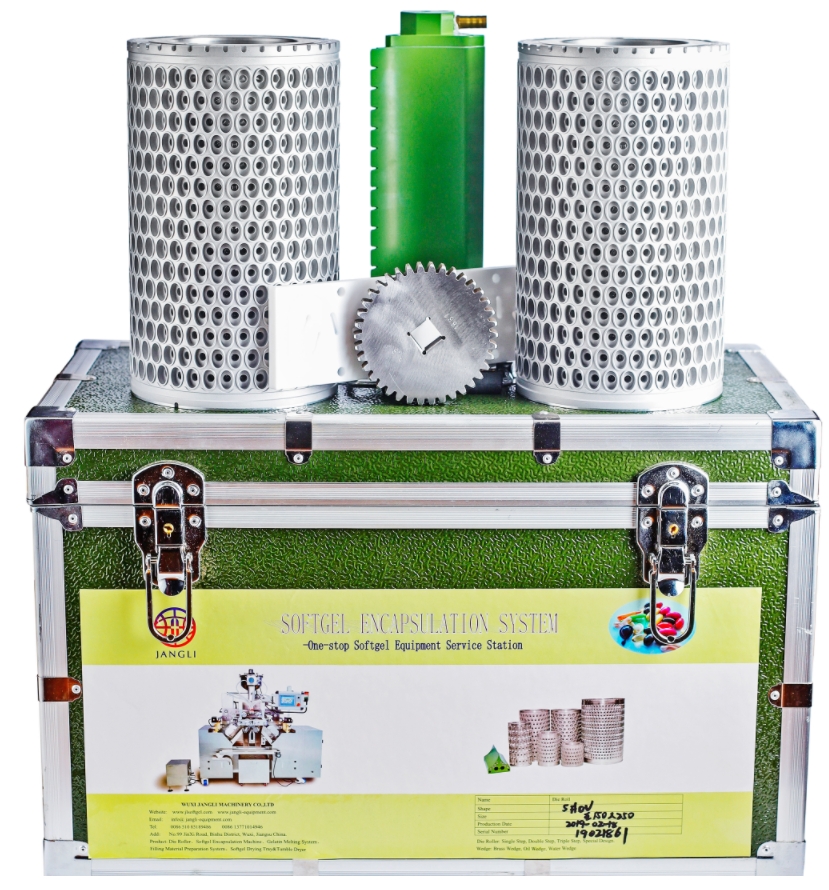
WUXI JANGLI MACHINERY has been producing softgel capsule die roller sets and tooling since 1996, and has long experience in softgel die roller design, processing and repair. Our factory has 10 CNC machining centers dedicated to die roller sets for various softgel machine models, and every year we supply more than 1,500 sets of different sizes and models to softgel manufacturers in China and abroad.
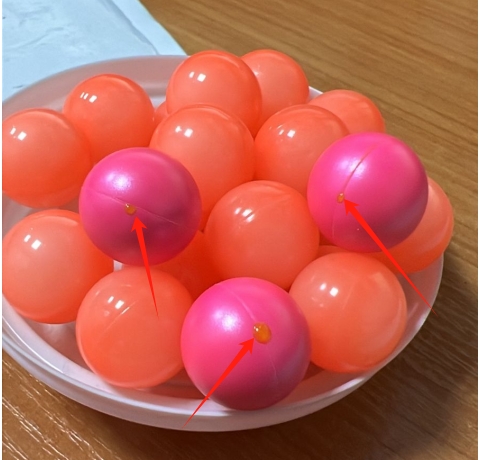
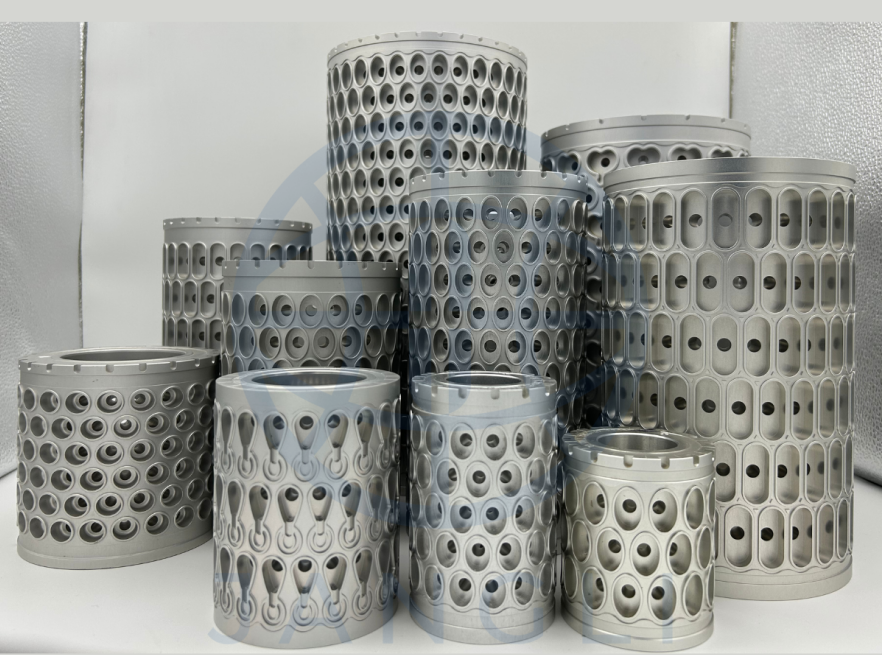
Whether you need single-step die rollers for animal gelatin softgels, multi-step die rollers for vegetarian softgels, double-step asymmetric die rollers for paintball production or special-shaped die rollers for cosmetic softgels, we have innovation and valuable experience to offer. To learn about materials, structure and the manufacturing process, read our guide to softgel die rollers, or browse our softgel die roller sets.
Softgel Die Roller Maintenance FAQ
How long does a softgel die roller last?
If the machine runs 8 hours a day and 20 days a month, a set of softgel die rollers can be used continuously for at least 12 months when there is no damage from human error. With proper use, cleaning and maintenance, some of our customers’ die rollers last one and a half to two years, and some are still clean as new after three years. If a set needs replacing after only a few months, check your operation, cleaning and maintenance procedures.
Why do black spots appear on softgel die rollers?
Black spots are corrosion. The usual causes are cleaning with alkaline detergents such as caustic soda, or leaving moisture on the surface after cleaning so that it oxidizes in the air. Clean with clean water or alcohol, dry the die rollers thoroughly and protect them with paraffin oil.
How do I clean and store softgel die rollers?
After each batch, remove the die rollers and clean them with clean water or alcohol, never alkaline detergents. Blow off the moisture with compressed air, dry the surface thoroughly with a hair dryer, apply paraffin oil to the dry surface to isolate it from the air, then store the die rollers in the die roller box.
Can a dented or damaged softgel die roller be repaired?
It depends on the damage. Indentations caused by die roller misalignment, where the pocket edge of one roller marks the other, cannot be repaired. A worn Teflon coating on the injection wedge can be re-sprayed by the manufacturer. For corrosion or other damage, send photos or videos to the manufacturer or a specialist so they can judge whether repair is possible.
Why do softgel capsules leak after the machine has been running for a while?
Concave pits on the steps around the pockets leave tiny holes in the seams. They may not be obvious when the capsules leave the machine, but as the gelatin film dries and shrinks the holes grow and the filling leaks out. The pits are usually caused by unfiltered, undissolved gelatin particles that are pressed between the die rollers.
How should I filter gelatin liquid to protect the die rollers?
After the gelatin is melted, filter the liquid with a 100-mesh stainless steel filter or a professional filter screen, which can filter out 99% of the unmelted gelatin particles. Do not use gauze or stockings, because they deform, the mesh enlarges and small particles pass through.
Written by the JANGLI technical team (WUXI JANGLI MACHINERY CO., LTD., softgel equipment manufacturer, producing die roller sets since 1996). Last reviewed: October 2026. Service life depends on operating conditions, so treat the figures above as typical experience and contact us for advice on your own machine.
Need Help With Your Softgel Die Rollers?
Send us photos or videos of your damaged die rollers, or your machine model and capsule requirements for a new set, and our engineers will advise you.

