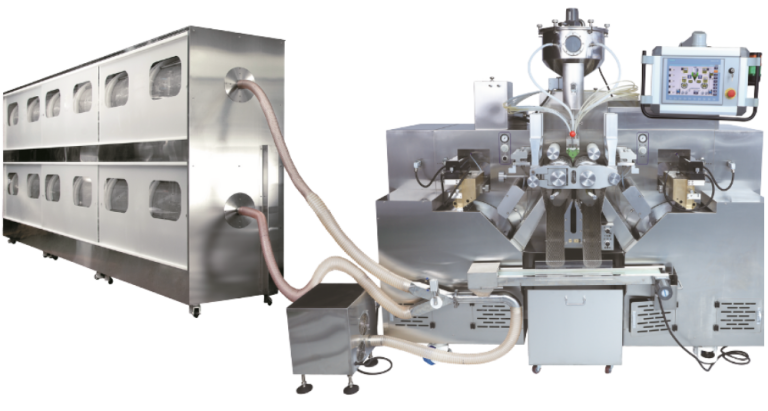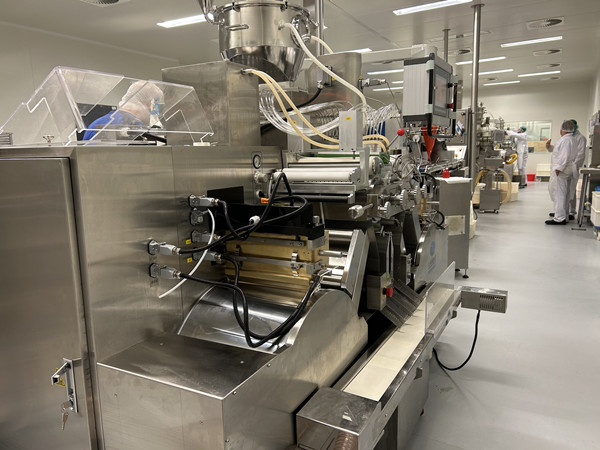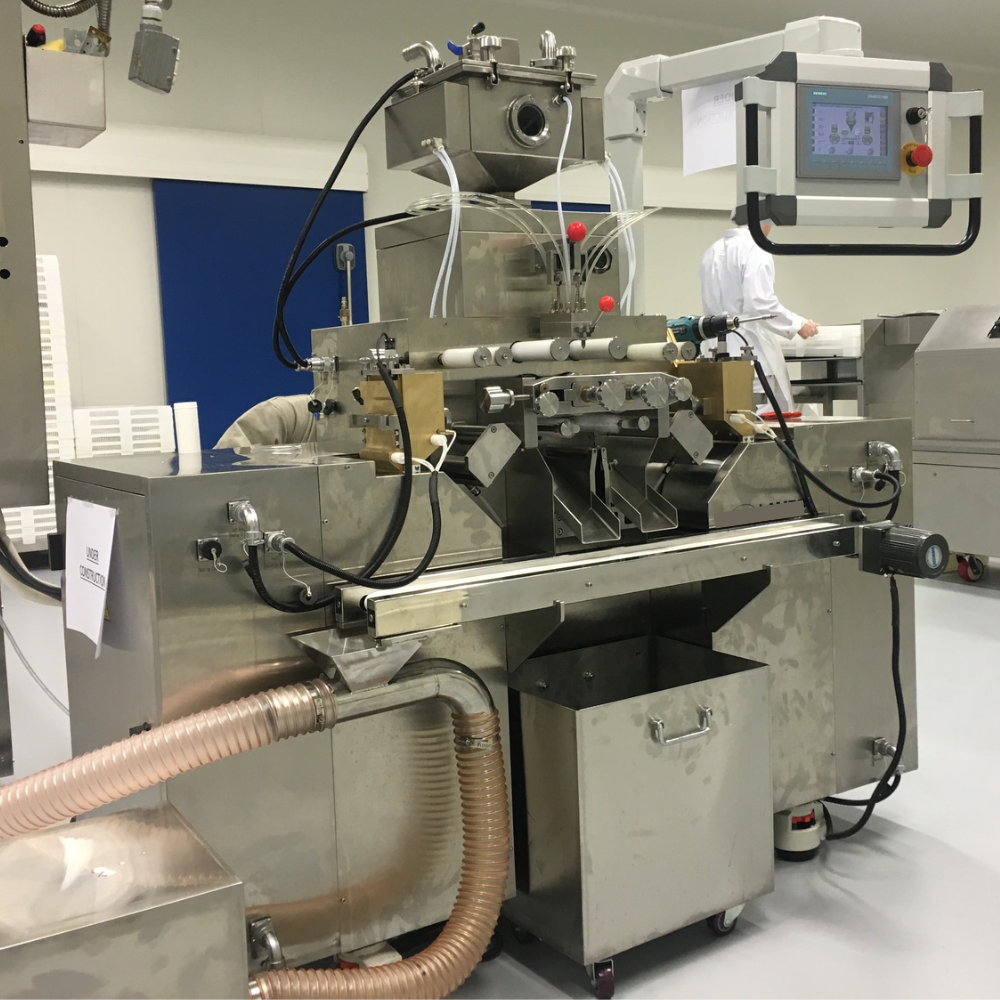
The JL-100II is JANGLI’s R&D softgel making machine: a compact, low-power machine for labs, pilot batches, education and startups, built so it can also run plant-based (veggie) shells. It makes up to 22,800 capsules per hour, uses a small 80 x 100 mm die roller and a 6-plunger injection pump, and has changes for starch shells: a stronger cooling fan, stainless steel pipes and a tumble dryer with stepless speed. This guide explains what it does, what is different about it, and how we build and test it.
Key Takeaways
- Built for trials: test formulas, shell recipes and fills in small batches before you invest in a production line.
- Plant-based ready: starch shells need more cooling, higher temperatures and gentler drying, and the machine is set up for that.
- Small footprint, low power: 5 kW at full capacity and 400 kg weight.
- A first step, not the whole line. You still need shell preparation, drying and inspection equipment.
Plant-based supplements have grown in popularity, which has opened the nutraceutical market to new entrepreneurs. Starting small lowers the risk: you learn the process and test your product before you scale. This page covers the machine we recommend for that first step.
What Is the R&D Veggie Softgel Making Machine?
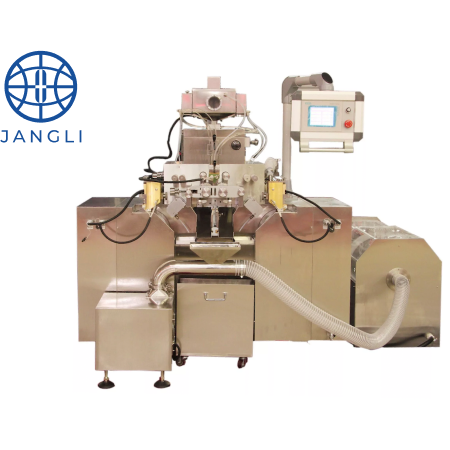
It is the JL-100II, developed for laboratories and for pilot batches at startups. Because it is small, it uses less material while you run research and development (R&D) trials, so there is less waste. It runs gelatin as well as plant-based shells. See the softgel encapsulation machine range.
| Item | JL-100II |
| Output | Up to 22,800 capsules per hour |
| Rotation speed | 0 to 5 rpm |
| Die roller | 80 mm diameter, 100 mm length |
| Injection pump | 6 plungers, 3 on each side |
| Panels | SUS 316L stainless steel |
| Power | 5 kW at full capacity |
| Weight | 400 kg |
| Control | SIEMENS PLC with a color touchscreen |
This video shows the JL-100II in operation:
What Are the Main Features?
- SIEMENS PLC control panel. You operate the machine from a color touchscreen that is intuitive to use.
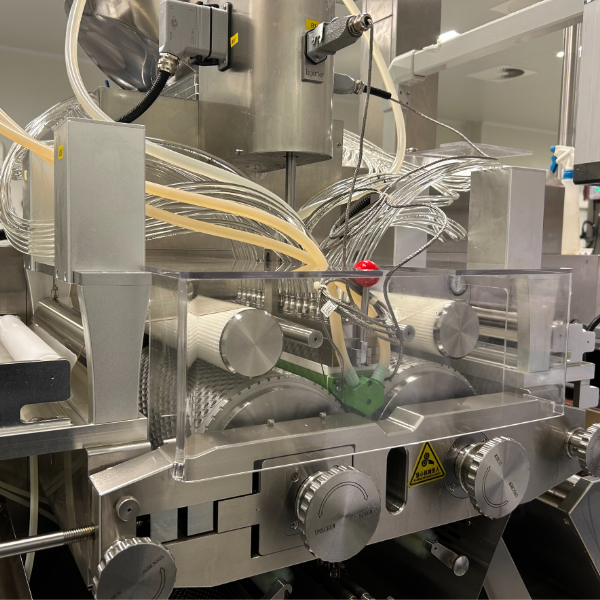
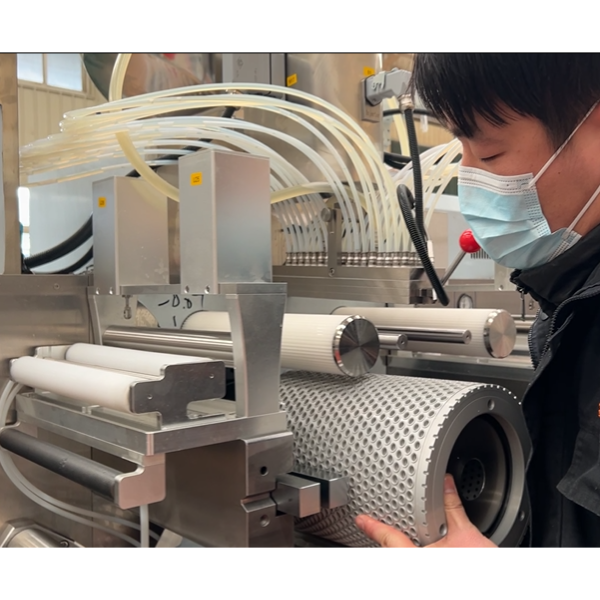
- Small die roller. The 80 mm diameter, 100 mm long die roller suits the small capsule sizes the machine makes.
- Portable injection pump. To keep the machine compact, the pump is small, with only 6 plungers, 3 on each side.
- Robust construction. All panels are SUS 316L stainless steel, which keeps the machine light and strong.
- Low power use. The machine draws 5 kW even at full capacity, which keeps running costs down.
What Changes Make It Suitable for Plant-Based Shells?
Starch (plant-based) shell mass is hotter and more delicate than animal gelatin, so we changed four parts. For the full picture, read our guide to tapioca starch softgel encapsulation.
| Part | Regular animal gelatin machine | R&D veggie machine | Why |
| Cooling fan | 280 W blowing fan | 400 W blowing fan | Starch needs a very high temperature, so the ribbon (gelatin film) needs faster cooling |
| Tumble dryer | Fixed rotating speed | VFD-controlled, stepless speed | Plant-based capsules are delicate. The speed starts slow and rises gradually |
| Pipes | Silicone hose | Stainless steel pipes | Vegetable shell mass sometimes needs a temperature of up to 99°C |
| Discharge | Blower | Conveyor belt to the collection chute | A conveyor belt keeps the capsules from breaking open |
How Do We Build and Test It?
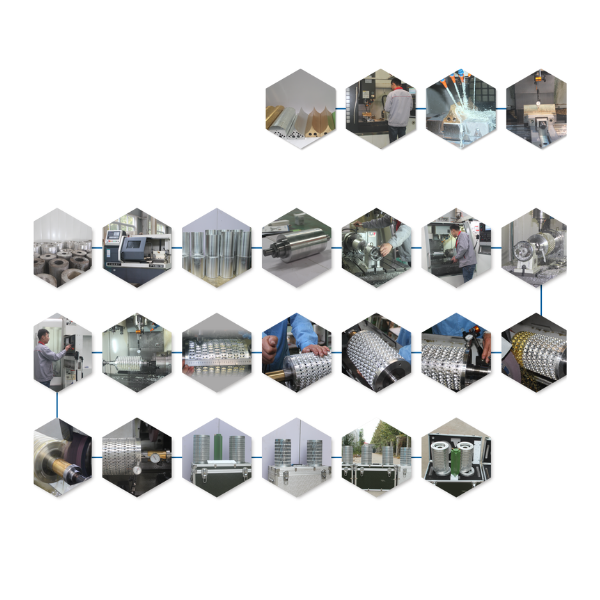
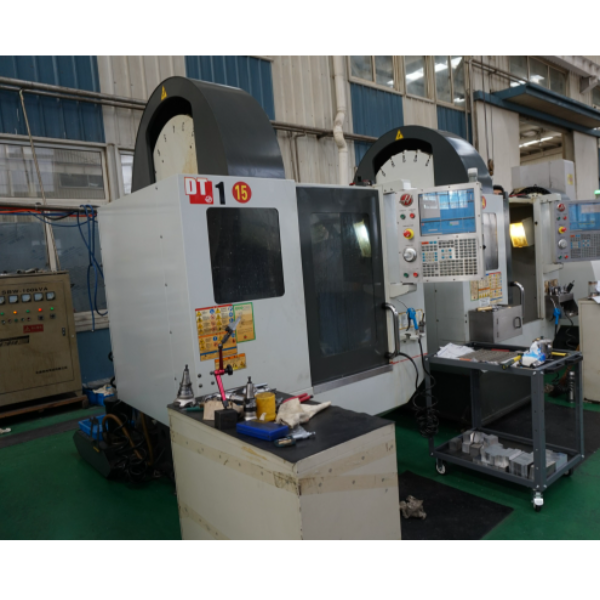
JANGLI builds softgel machines in a workshop of over 6,000 m² with more than 20 CNC processing centers for precision parts such as die rollers. Our annual capacity is more than 100 softgel machines, 1,000 die roller sets, 300 tumble dryer baskets and 50 lines of supporting equipment. These are the steps for a machine like the JL-100II:
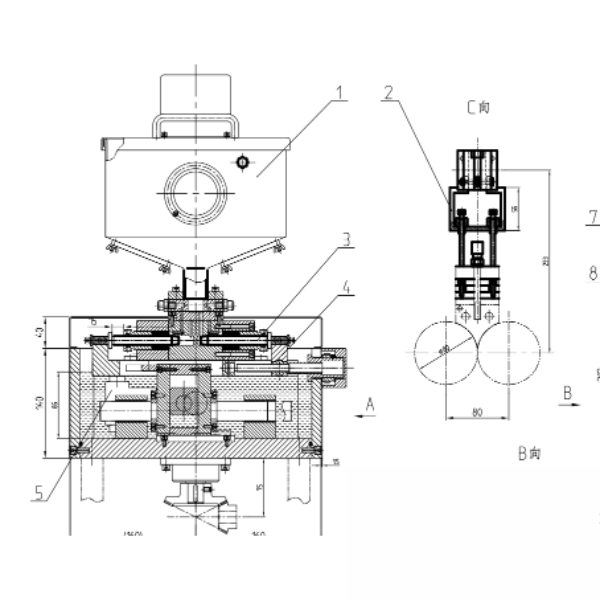
Design
More than 20 designers prepare the drawings and protocols for each customer.
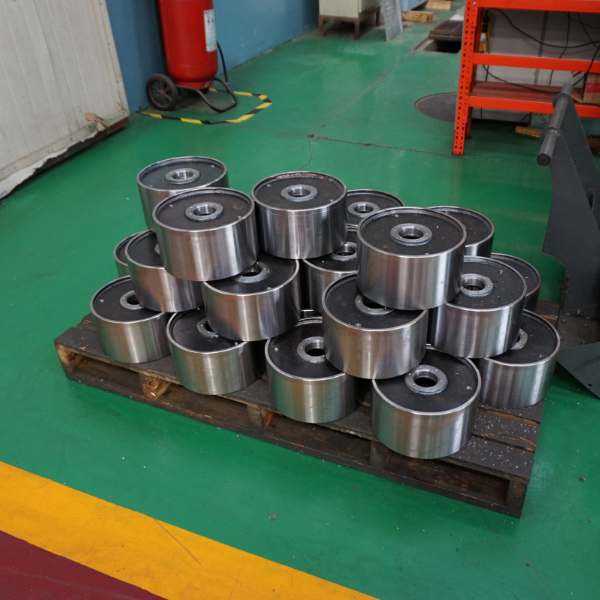
Raw material control
Our technicians check raw materials with several instruments. Materials are used only after they pass the checks and have a certificate.
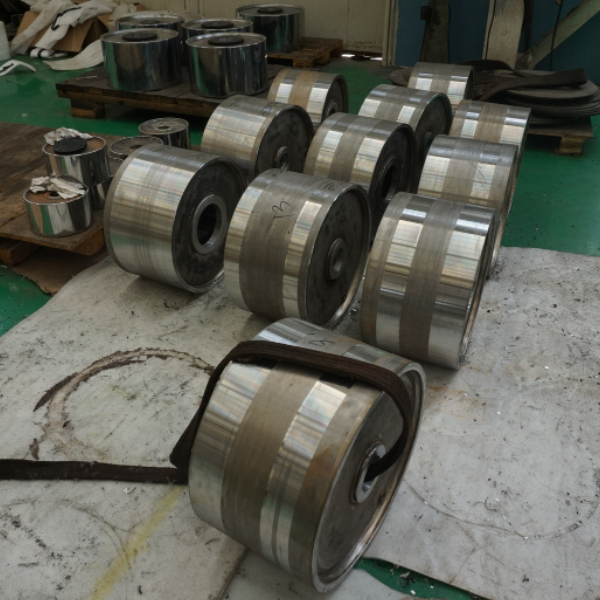
Machining
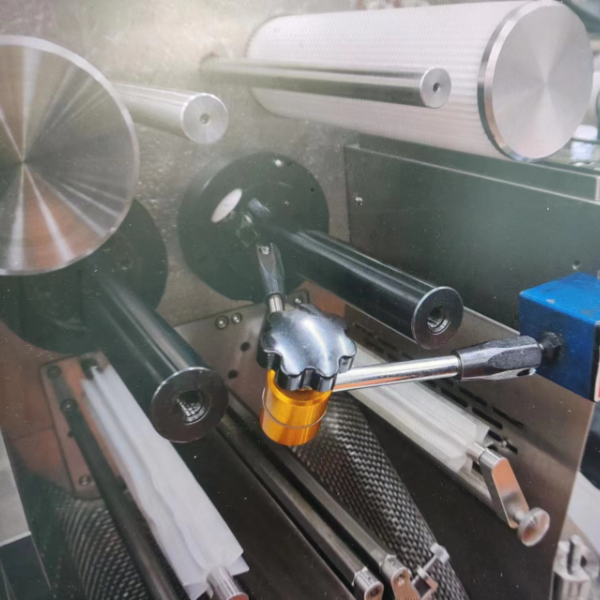
Skilled technicians run the CNC stations that machine the precision parts.
Testing
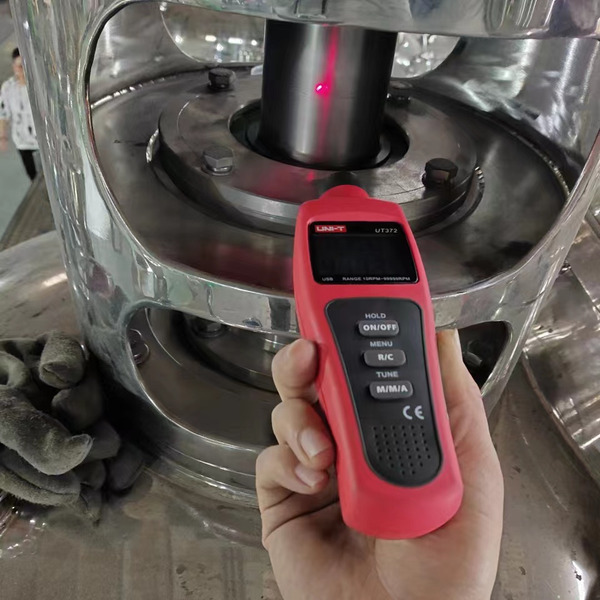
We test the injection accuracy and the software system of the machine. We also test the melting tank for vacuum, pressure, heating capability and surface roughness.
What Else Does a Startup Need Besides the Machine?
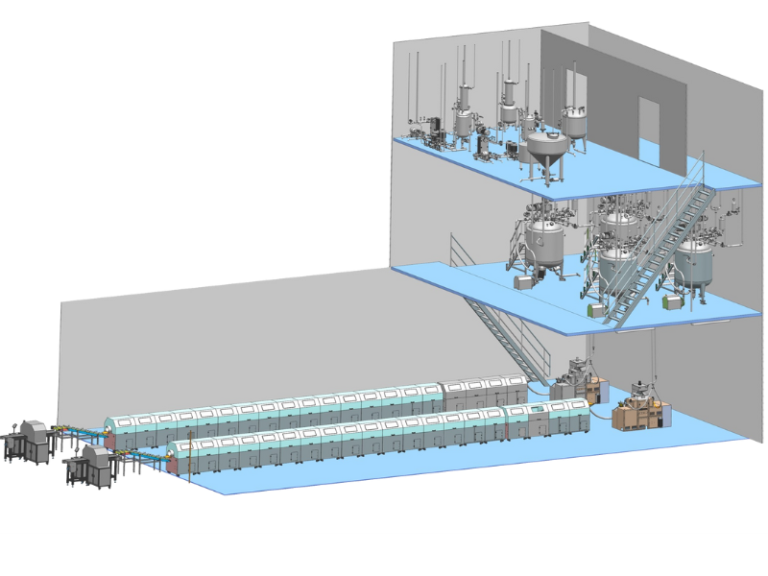
The machine only encapsulates. Plan the rest of the small line:
- Shell preparation: a melting tank and service tank. Starch needs a stronger agitator and glycerin or thermal oil heating. See our gelatin preparation system.
- Fill preparation: a mixing tank. See our medicine preparation system.
- Drying: a tumble dryer and drying trays. See our softgel drying system.
- Inspection and packing when you start selling.
For the full list, read our production line equipment checklist. When your volumes grow, you can move up the range: see our guide to softgel machines by capacity.
What Should You Send Us?
- capsule shape and size you want to make;
- fill type and shell type, gelatin or plant-based;
- your batch size for trials and your target output for sales;
- your room size, and the markets you plan to sell in.
Conclusion
The JL-100II lets you test plant-based and gelatin softgels in small batches, with low power use and a small footprint. It is a first step: plan shell preparation, drying and inspection around it. We give you a quote, help with the documentation and assist with installation once the machine reaches your facility. Our machines come with a one-year warranty. Contact JANGLI to plan your first line.
Frequently Asked Questions
What is the JL-100II used for?
It is used for R&D, pilot batches, education and startups, to test formulas, shell recipes and fills in small batches before you scale up.
How many capsules per hour does the JL-100II make?
Up to 22,800 capsules per hour at 0 to 5 rpm. Actual output depends on the capsule size and the fill. See our guide to softgel machines by capacity.
Can it make plant-based softgels?
Yes. It has a 400 W cooling fan, stainless steel pipes for shell mass up to 99°C, a tumble dryer with stepless speed and a conveyor belt for the finished capsules. See our guide to non-animal softgel capsules.
Why does the machine use a conveyor belt instead of a blower?
A blower can break fragile plant-based capsules open. The conveyor belt carries the finished capsules to the collection chute gently.
How much power does it use?
5 kW at full capacity, which keeps running costs low.
Do I need more equipment than the machine?
Yes: shell preparation, fill preparation, drying, and inspection and packing when you start to sell. See our production line equipment checklist.
Written by Wendy Yu, JANGLI. Last reviewed: [2026]. Specifications may change, so please confirm details with us before ordering.
Send us your capsule shape, fill and target output and we will recommend a model.