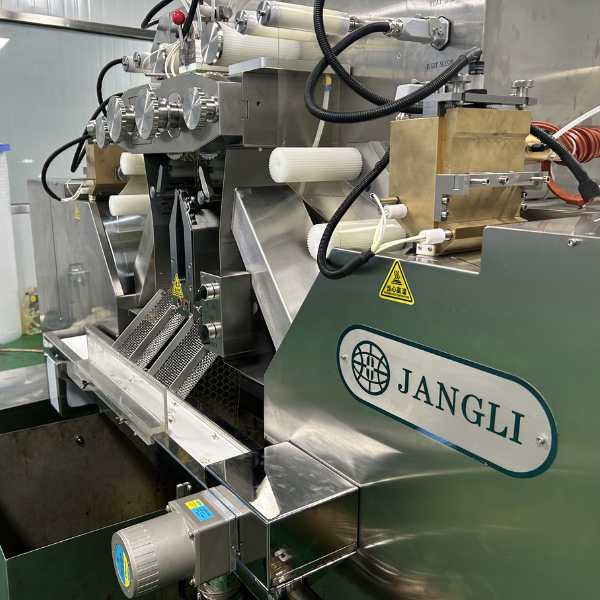
To choose a softgel encapsulation machine, check four things before you pay: how it is built (materials, tooling, safety), how its internal systems perform (melting, dosing, sealing, drying), what documents the supplier can provide, and how it runs a test with your own formula. This checklist covers each point so you can compare suppliers and avoid costly mistakes.
Key Takeaways
- Test with your formula: ask for a demonstration or trial run with your shell and fill before you commit.
- Ask for documents, not badges: regulators set rules for manufacturers. A machine does not carry an “FDA approval”. Ask for material certificates, drawings and qualification documents instead.
- Check the tooling: die roller quality, and how easy it is to change them, decide how flexibly you can make new capsule sizes and shapes.
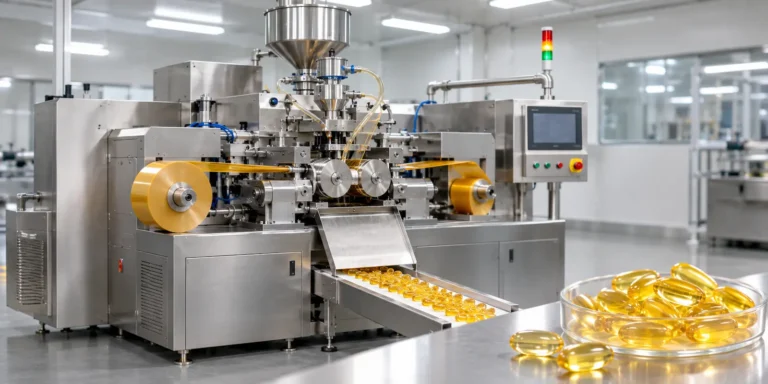
Softgel encapsulation machines were once mostly a pharmaceutical tool. Nutraceutical, cosmetic and other producers now use them too. The investment is large, so work with a reputable manufacturer and inspect the machine carefully. This article explains why you should inspect, which physical and internal parts to check, which standards and documents matter, and how to maintain the machine once it is running.
This video shows a JANGLI JL-150III softgel machine running tapioca starch softgels:
Why Is a Thorough Inspection Necessary?
Every manufacturer wants equipment that raises output and cuts costs, and an inspection shows whether a machine can do that. It covers four areas:
- Ease of use: check that the interface and functions are simple. Your operators should be able to run the machine without trouble.
- Build quality: the materials tell you about reliability and durability.
- Performance: what are its capacity and speed, how accurate is the dosing, can it make your capsule size and shape, and does it work with your shell material?
- Supplier credibility: a substandard machine brings unexpected faults and downtime a few weeks after installation, and by then you have paid for it.
Buying from an established manufacturer lowers that risk. Learn more about JANGLI.
What Main Parameters Should You Check?
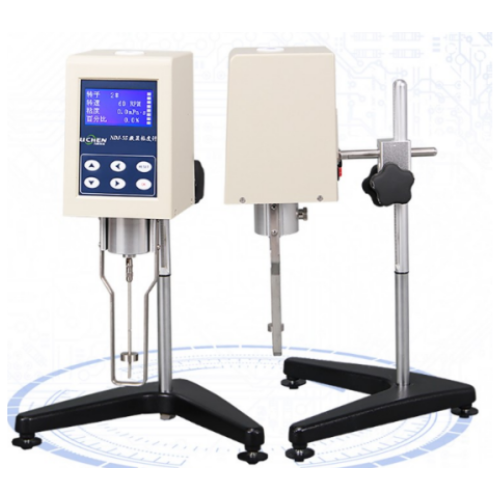
Given the capital involved, check the physical parts and the internal mechanisms one by one.
Physical Parameters
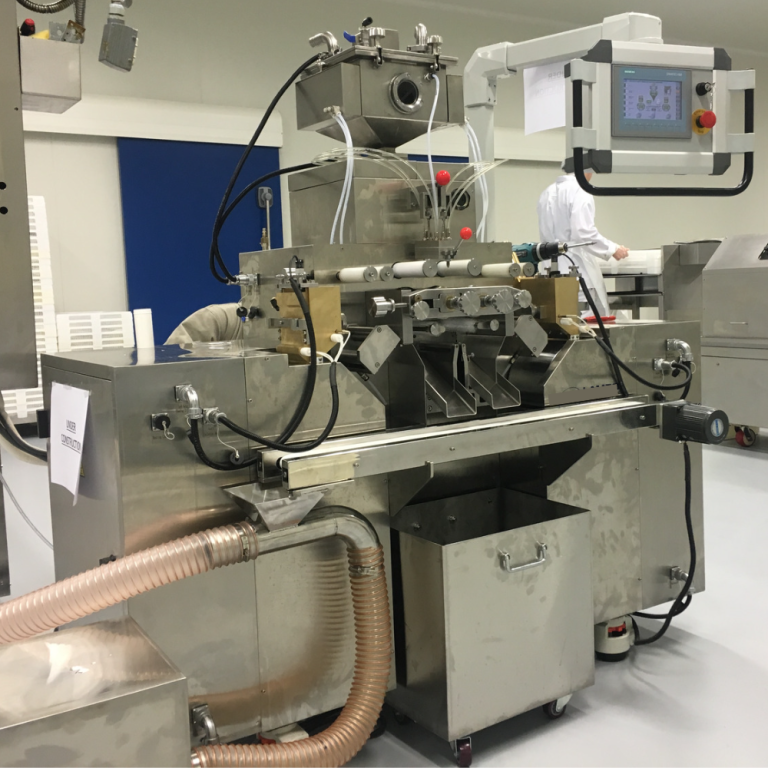
- Machine frame: ask what material the frame uses. Many manufacturers choose stainless steel for its durability and corrosion resistance.
- Capsule quality: does the machine make capsules in the exact size and shape you need? Ask for a short demonstration and check that the capsules are flawless.
- Control panel: the interface should be easy for your operators to navigate. Learn the available functions before buying.
- Noise and vibration: check noise levels in operation. A noisy workplace hurts working conditions, and heavy vibration causes wear.
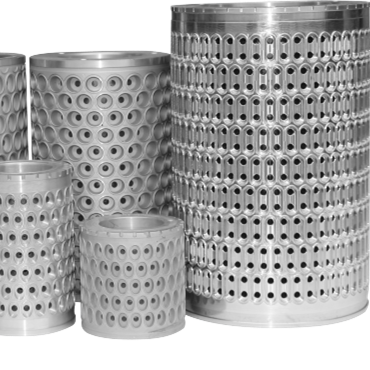
- Molds and tooling: ask which materials the die rollers and segments use. They should be durable and wear-resistant. Check how simple it is to change the die rollers for different sizes and shapes, and look for surface damage on the rollers and segments.
- Safety features: an emergency stop for quick shutdown, plus guards and sensors that block access to moving parts.
- Manufacturer’s certificates: check them to confirm the supplier is legitimate and see which standards it follows.
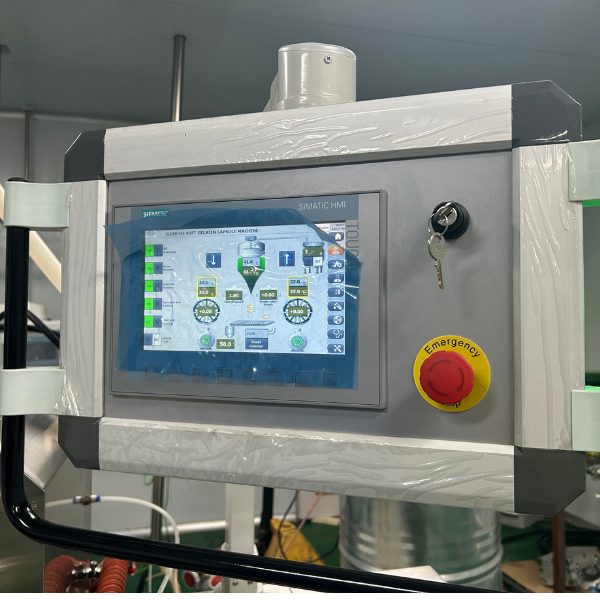
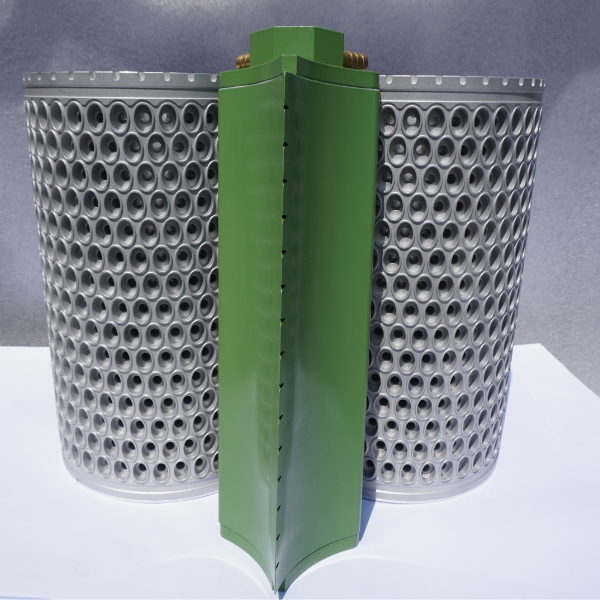
Internal Mechanisms
The internal systems decide how well the machine works. The table lists the main ones and what to check.
| Internal part | What to check |
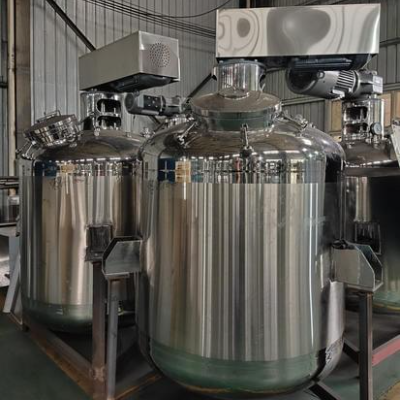
| Gelatin melting and mixing unit | Does it melt the shell material consistently? Can it mix colors and additives evenly into the shell mass? See our gelatin preparation system. |
| Fill dosing system | What type of dosing pump does it use? How accurate and repeatable is the fill weight? Is it compatible with your fill’s viscosity? Can you adjust the fill volume easily for different capsule sizes? |
| Ribbon forming and cooling | Does the machine keep the shell ribbons at a stable thickness and temperature? Is temperature control precise enough to avoid deformed capsules? |
| Sealing system | Check the alignment and pressure of the die rolls and that the sealing temperature does not damage the shell. Look at the seam of test capsules. |
| Drying system | Can the dryer (tumbler and trays) remove excess moisture from the capsule types you plan to make, and how fast? See our softgel drying system range. |
| Cleaning | How easy is it to clean the machine between batches to prevent cross-contamination? Are the parts that touch the product easy to take apart? |
| Lubrication | How are moving parts lubricated, and which lubricants does the manufacturer recommend? |
| Electrical system | Do the electrical components meet the safety standards of your market? Ask for the wiring diagrams. |
| Waste collection | Does it remove faulty capsules and shell waste without contaminating good capsules? |
Does the Machine Meet Industry Standards?
Standards and regulations are often misread in machine sales, so be precise about what each one covers.
Good Manufacturing Practice (GMP)
GMP rules apply to the manufacturer that makes the product, not to the machine alone. In the US, for example, 21 CFR 211.63 requires that equipment used to make a drug product has an appropriate design and adequate size, and is suitably located for its use, cleaning and maintenance. Related sections cover equipment construction, cleaning and maintenance. So a machine can support your GMP compliance, but it cannot make you compliant by itself. Dietary supplement manufacturers follow their own GMP rules in each market. Read the FDA overview of cGMP.
GMP rules deal with sanitation, complaint handling, equipment verification, record keeping and process validation. “cGMP” means “current” GMP, which expects modern methods and technology. Failing to follow GMP can lead to enforcement action such as recalls or penalties.
What to Ask the Supplier For
Regulators do not issue an approval for a machine. Ask the supplier for the evidence you will need during your own audits and validation:
- material certificates for parts that touch the product;
- drawings, wiring diagrams and a parts list;
- qualification documents (IQ, OQ and PQ) and calibration records for the instruments;
- an operating and cleaning manual, and a spare parts and maintenance plan.
IQ, OQ and PQ stand for installation, operational and performance qualification. JANGLI offers IQ/OQ/PQ documentation on request.
Electrical and Safety Marks
CE marking shows that a machine meets EU health, safety and environmental requirements, and you need it to place machinery on the market in the European Economic Area. Other regions have their own rules, such as UL listing in North America where an electrical code or your insurer requires it. Check what your own market and customers require before you set a certification requirement. Our machines carry CE marking.
ISO Standards
ISO is an international non-governmental organization that publishes global standards. Two well-known ones are:
- ISO 9001: requirements for a quality management system, which helps a company meet customer needs through consistent quality.
- ISO 14001: requirements for an environmental management system, which helps a company reduce waste and pollution.
An ISO certificate belongs to the company and covers a stated scope. Ask to see the certificate and its scope. JANGLI is an ISO-certified company. Ask us for the certificate.
Should You Buy a New or a Used Softgel Machine?
A used machine can cost less and may be available sooner, and dealers do list used softgel encapsulators. The trade-offs are the condition of the die rollers and wear parts, the availability of spare parts and tooling for that model, missing documentation, and the work needed to qualify the machine for your own GMP system. A new machine comes with documentation, a warranty and support. Our standard warranty is one year.
How Do You Test a Machine Before Buying?
Ask for a demonstration or trial run, ideally with your own shell material and fill. During the run, check:
- seam quality and leakage of the capsules;
- fill weight consistency across a sample;
- ribbon thickness and shell uniformity;
- capsule shape and size;
- stability of speed and temperature over a longer run.
To get a useful recommendation from us, send your capsule shape and size, fill type, shell type (gelatin or plant-based), target output and sales markets. Our guides to machine types by capacity and equipping a production line help you plan, and our softgel encapsulation machine overview explains the basics.
Tips on Softgel Machine Maintenance
This video shows our softgel washing machine in operation:
Follow a regular maintenance schedule so small problems are fixed before they stop production:
- Calibrate and replace parts: calibrate regularly for precise measurements, replace broken, worn or misaligned parts, and follow the manufacturer’s schedule.
- Clean: clean with suitable solutions after each batch to prevent cross-contamination, and do a deeper clean on a regular schedule, for example weekly, to remove residual gelatin.
- Train staff: trained operators cause less damage. See also our guide to die roller maintenance.
- Lubricate: use the lubricants and intervals the manufacturer recommends.
- Keep logs: record cleaning, part replacement and lubrication dates, and keep them easy to find.
- Use qualified service: schedule inspections with the manufacturer or an accredited service provider, and ask for help when a fault appears.
Conclusion
Inspect a softgel encapsulation machine thoroughly before you buy. Check the physical and internal parts, ask for documents instead of badges, and test the machine with your own formula. Our machines carry CE marking, and our company is ISO-certified. Contact JANGLI if you need help evaluating a machine.
Frequently Asked Questions
What should I check when evaluating a softgel encapsulation machine?
Check the build materials, tooling and safety features, then the internal systems: melting, dosing, sealing, drying, cleaning and waste handling. A user-friendly interface, a design that is easy to clean, and a reputable supplier with documents and after-sales support also matter. Finish with a test run using your own formula.
Does a softgel machine need FDA approval?
Regulators do not approve or certify machines. GMP rules apply to the manufacturer. For equipment they require, among other things, an appropriate design, easy cleaning and maintenance, and calibration. Ask your supplier for material certificates, drawings and IQ/OQ/PQ documents, and confirm with your regulator or auditor what your market expects.
What documents should a softgel machine supplier provide?
Typically material certificates for product-contact parts, drawings, wiring diagrams, a parts list, an operating and cleaning manual, calibration records and qualification documents (IQ, OQ, PQ). Certificates such as CE should be checked for their scope.
Is it better to buy a new or a used softgel machine?
A used machine can save money and time, but you take on the risk of worn tooling, missing spare parts and incomplete documentation. A new machine costs more but comes with documents, a warranty and support. The right choice depends on your budget, timeline and validation needs.
What moisture content should finished softgels have?
There is no single figure that fits every product. The target depends on the shell formula and fill, so set a specification during development, measure it, and control drying and storage to hold it. Store finished capsules in cool, moderate-humidity conditions and confirm the limits with your stability data.
How do I test a softgel machine before buying it?
Ask for a demonstration or trial run with your own shell and fill, and check seam quality, fill weight consistency, ribbon thickness, capsule shape and size, and the stability of speed and temperature over a longer run.
Written by Wendy Yu, JANGLI. Last reviewed: [2026]. Specifications may change, so please confirm details with us before ordering.
Send us your capsule shape, fill and target output, and we will recommend a model.