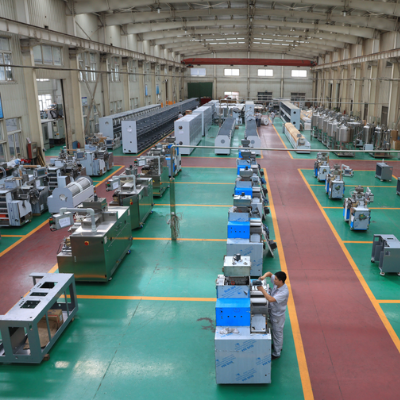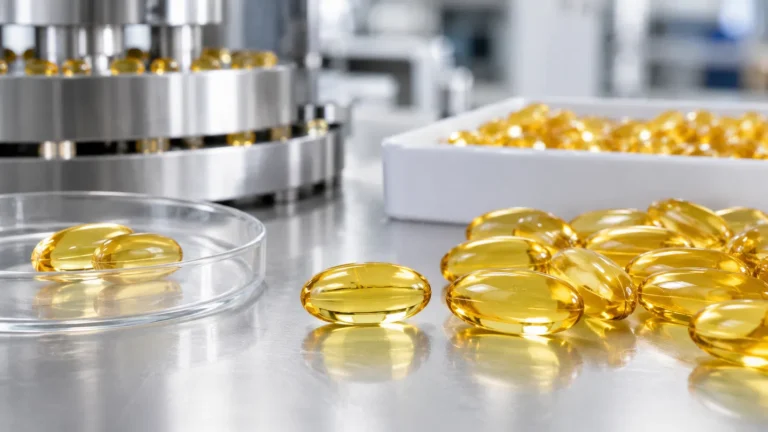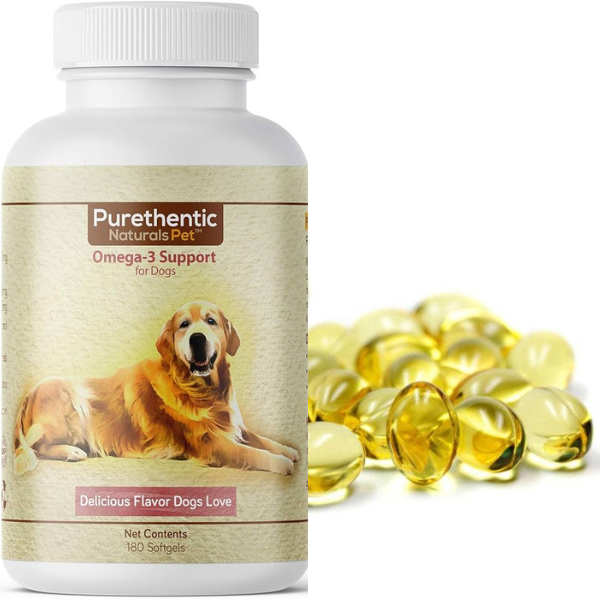
For veterinary and agricultural softgel projects, a typical JANGLI line has five parts: the JL-100II RND softgel machine for small batches and trials, an automatic gelatin melting system, the JLGZ tumble dryer, the JLJW-II inspection and sorting machine, and the DPB-250J blister packing machine. This guide explains what each machine does, where softgels fit in animal health and crop production, and what to prepare before you choose equipment.
Key Takeaways
- Start small: a compact R&D machine lets you test formulas before you invest in a full line.
- Animal health is the established use: supplements and medicines for pets and livestock. Crop-production uses are still at the concept stage.
- Rules apply: veterinary medicines and agricultural inputs are regulated, so check local requirements early.
Which Softgel Machines Suit Agriculture and Veterinary Production?
The right equipment depends on the stage you are at and the capacity you need. Our softgel encapsulation machines by capacity guide compares the options. Below is the equipment we suggest for each step of the process. For the full line, see how to equip your softgel production line.
1. JL-100II RND Softgel Machine: Small Batches and Trials
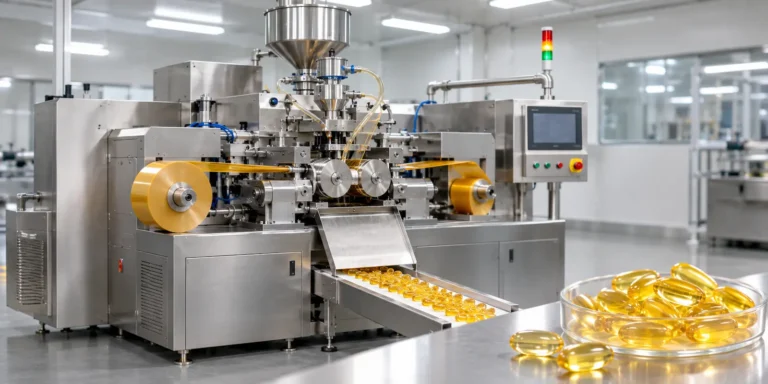
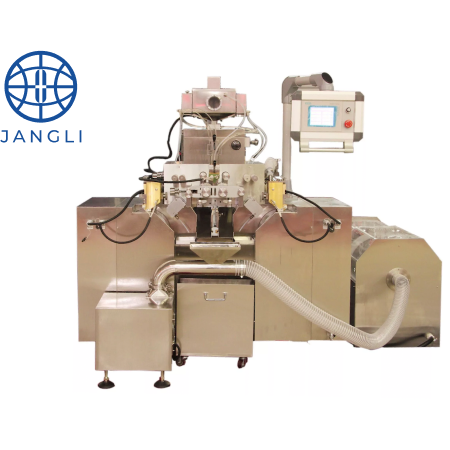
For small quantities and formula testing, the JL-100II RND is the model we suggest. It suits teams that want to make softgel products for animals in limited volumes, or test several formulas before scaling up.
A Siemens programmable logic controller (PLC) lets you adjust temperature and speed. The machine needs little floor space, so it is simple to operate and maintain.
Published data for the JL-100II RND: a rotation speed of 0-5 RPM, an output of 22,800 capsules per hour, 5 kW power and a weight of 400 kg.
This video shows the JL-100II RND in operation:
2. Automatic Intelligent Gelatin Melting System
The gelatin melting equipment is fully automatic. You add the gelatin and water, and the system heats, stirs and vacuums the gelatin liquid and removes bubbles.
The JANGLI automatic intelligent gelatin melting system consists of:
- material supplying system
- defoaming system
- discharging system
- weighing system
- CIP (clean-in-place) cleaning system
- checking and controlling system
- HMI (touchscreen) system
It helps producers cut labor, raw material waste and floor space in commercial production. You can prepare either animal gelatin or a tapioca starch shell mass with it. To see how gelatin preparation works, read our guide on gelatin melting and preparation.
3. JLGZ Softgel Drying Tumble Dryer
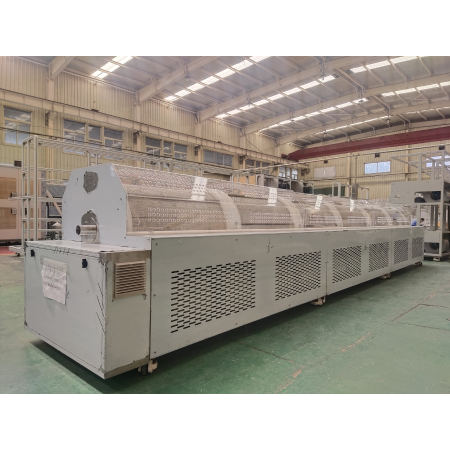
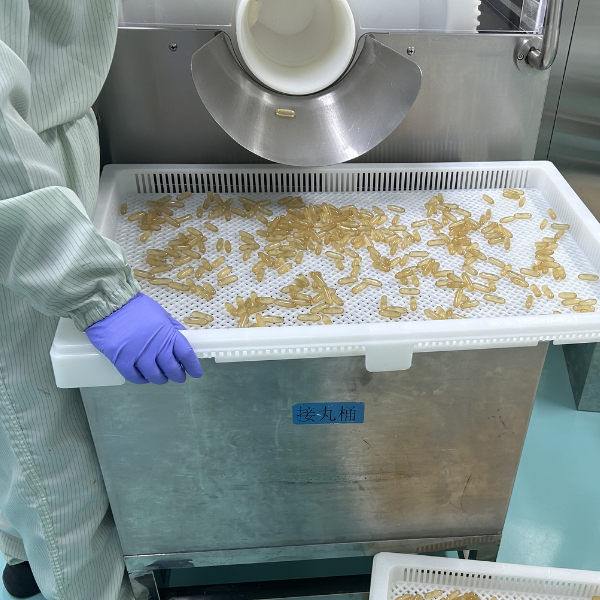
Freshly formed softgels must be dried. The JLGZ is used for softgel shaping, initial pre-drying and final drying.
The JLGZ is a stand-alone unit with a PLC touchscreen. You can also pair it with a JANGLI softgel encapsulation machine that has a matching PLC touchscreen control. The baskets are easy to install and remove for cleaning, and we offer four basket styles. See the softgel drying system range.
4. JLJW-II Automatic Softgel Inspection and Sorting Machine
The JLJW-II identifies and rejects misshapen, spotted, bubbled, broken and out-of-size capsules. Four cameras above the photographing area handle detection, and servo motors drive the machine.
Automatic sorting saves time and labor compared with manual checking. Published output for this machine is 80,000-150,000 capsules per hour.
This video shows the inspection and sorting machine at work:
5. DPB-250J Softgel Blister Packing Machine
For packaging, we recommend the DPB-250J blister packing machine. It packs softgels in several shapes, including oval, round, fish-shaped and oblong.
It has a built-in French Celltech camera inspection unit that identifies lower-quality capsules, plus a vacuum cleaner and a mechanical hand. The structure is simple, which makes it easy to use and maintain. A PLC touchscreen controls the machine, the molds are easy to remove and replace, and servo motor driving is available.
What Do Veterinary Softgels Contain?
Softgels are already used in animal health, and contract manufacturers list veterinary formulations among their softgel products. Typical categories are:
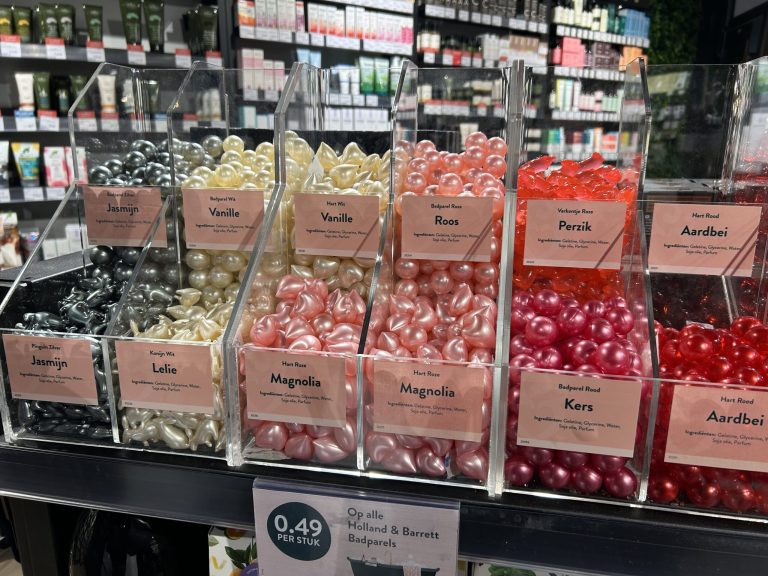
- Nutritional supplements: vitamins and omega-3 fatty acids, commonly used for skin, coat and general health.
- Antioxidant supplements: formulated to support the immune system.
- Digestive support: probiotics and digestive enzymes. These are moisture-sensitive, so the formula needs stability testing.
- Medicines: pain relief, anti-inflammatory and parasite-control products. These are regulated veterinary medicines in most markets, so check local approval rules before you plan production.
Softgels suit animal-health products for practical reasons. The fill is a measured dose in a sealed shell, the shell masks taste and odor, and the capsule can be hidden in food. Oil-based fills fit softgels best.
Are Softgels Used in Agriculture?
Softgel use in crop production is much less established than in animal health. Ideas such as encapsulated nutrient blends for specific crops, protective seed treatments or slow-release soil conditioners are concepts that need field trials and local regulatory review before any commercial plan. If you are exploring one of these, a small R&D machine is the lower-risk way to test whether a formula can be encapsulated at all.
What Are the Challenges of Softgels for Agriculture and Veterinary Use?
Production cost. Softgel equipment and materials can cost more than simpler dosage forms, which raises the price of the final product.
Formulation difficulty. Delicate or incompatible ingredients are hard to encapsulate, and finding the right balance between shell and fill takes testing.
Regulation. Veterinary medicines and agricultural inputs are controlled by local authorities. Approval requirements differ by country and product type.
Awareness. Farmers, veterinarians and agricultural workers may not know softgel products yet, so training and clear dosing instructions are needed.
What to Send Us Before Choosing a Machine
To get a useful recommendation, prepare:
- the product type (animal-health supplement, medicine or a trial formula);
- the fill type and main ingredients;
- capsule shape and size;
- target output;
- animal gelatin or plant-based shell, and the markets you plan to sell in.
Conclusion
Softgels are an established format for animal-health products, while agricultural uses are still being explored. Whether you are starting with a small R&D machine or planning a full line, match the equipment to your formula, output and local regulations. Contact JANGLI if you are producing, or want to start producing, softgel products. We supply softgel encapsulation machines and tooling.
Frequently Asked Questions
What veterinary supplements or medicines can be made as softgels?
Common examples are vitamins and omega-3 supplements for skin and coat, antioxidant supplements for immune support, and probiotics or digestive enzymes for gut health. Softgels can also carry pain-relief and anti-inflammatory medicines, which are easier to give than some tablets. Medicines need regulatory approval in most markets.
Are softgels safe for animals?
Safety depends on the ingredients, the dose and the species. A formula suited to a dog may not suit a horse or a cat. Use quality ingredients, follow dosing instructions and comply with local rules, which set safety requirements for animal medicines. Work with a veterinarian or regulatory adviser when developing a product.
How do softgels compare with tablets and liquids for animals?
Softgels give a fixed dose per capsule and a sealed shell that limits contact with air. They mask unpleasant taste and odor. Tablets are cheaper to make and liquids allow flexible dosing, so the best form depends on the ingredient, the animal and your cost target.
Why are softgels easier to give to animals?
Caregivers can hide a softgel in food more easily than a tablet or a liquid dose. Dosages can also be set per capsule to suit a particular animal’s weight, for example by offering several strengths.
Which machine is suitable for a first trial run?
The JL-100II RND is designed for small batches and formula testing before large-scale production. Send us your fill, capsule shape and target output, and we will recommend a model.
What equipment do I need besides the encapsulation machine?
A complete line also needs gelatin (or shell mass) preparation, a tumble dryer and drying trays, an inspection and sorting machine, and packing equipment. Each is described above.
Written by Wendy Yu, JANGLI. Last reviewed: [2026]. Specifications may change, so please confirm details with us before ordering.
Send us your capsule shape, fill and target output, and we will recommend a model.