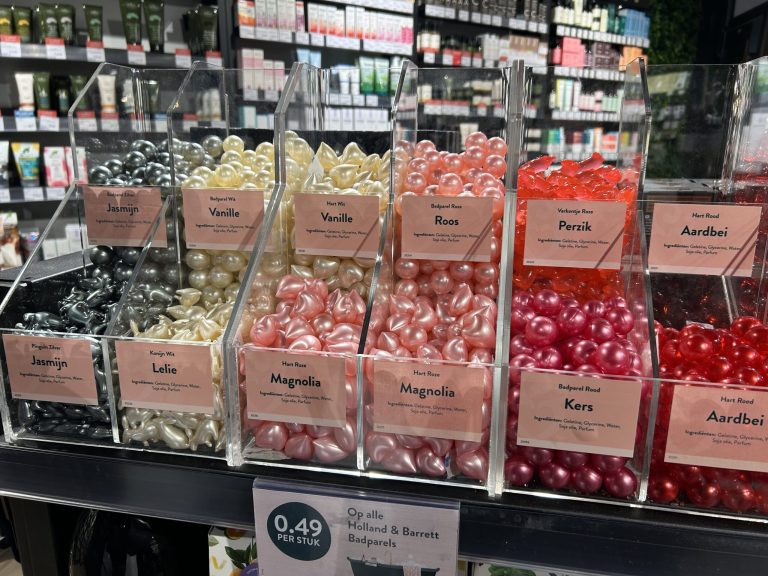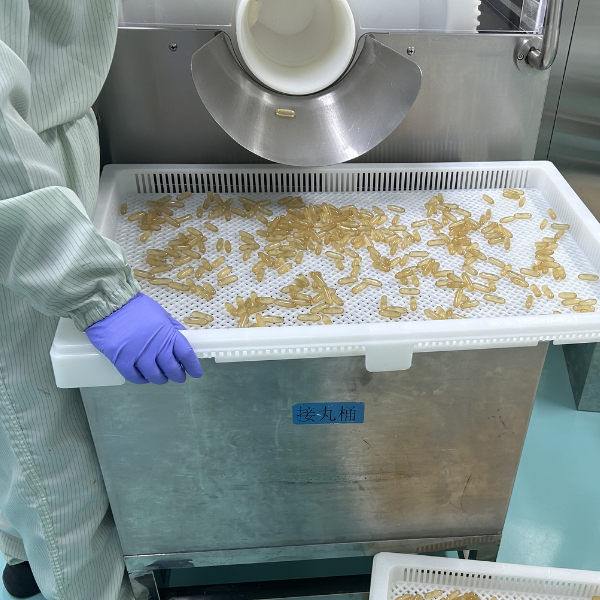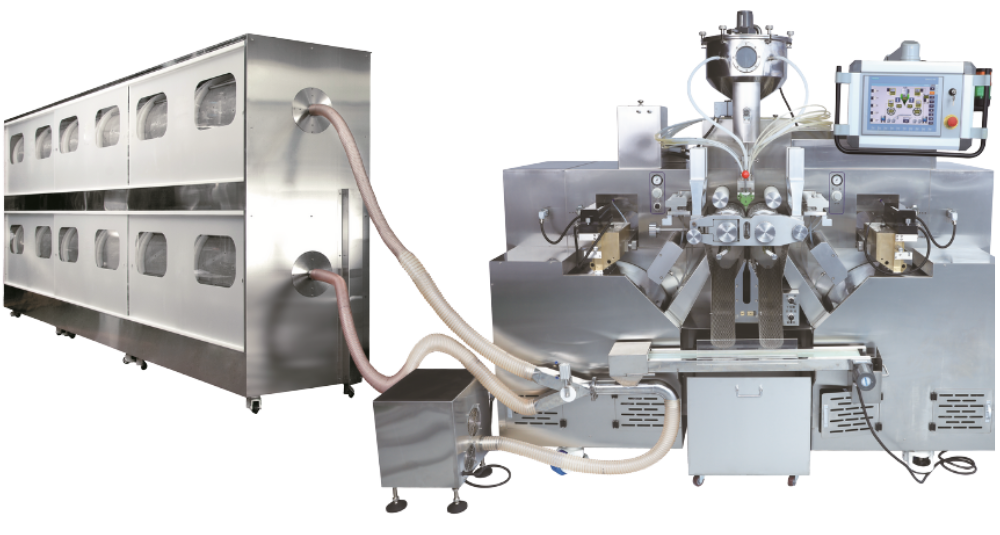
A tapioca starch softgel is a softgel whose shell is made from modified tapioca starch instead of animal gelatin. It is made on a rotary die softgel machine, but the shell mass needs a hotter, stronger-stirred melting tank, and the machine needs a few changes: enclosed spreader boxes, a multi-step die roller, stronger cooling and stainless steel pipes. This guide covers the shell material, where to source it, the melting process, how to choose a machine, and how the encapsulation and drying steps differ from animal gelatin softgels.
Key Takeaways
- Shell material: specially processed modified tapioca starch, not ordinary food-grade tapioca starch.
- Melting: the starch mass is higher in viscosity and needs a higher temperature than animal gelatin, so the melting tank needs a stronger agitator and a glycerin or thermal oil heating system.
- Machine changes: enclosed spreader boxes, multi-step or bi-lip die rollers, a larger cooling fan, and stainless steel pipes.
- Control the room: keep relative humidity below 30% in the encapsulation room to reduce leaking.
In recent years, plant-based shell materials have gained ground in the softgel industry, and vegetarian softgels are increasingly popular with consumers. If you are new to veggie softgel production, this guide gives you the main points. For a broader overview of shell types, read our guide to non-animal softgel capsules.
What Is Animal Gelatin and Why Look for Alternatives?
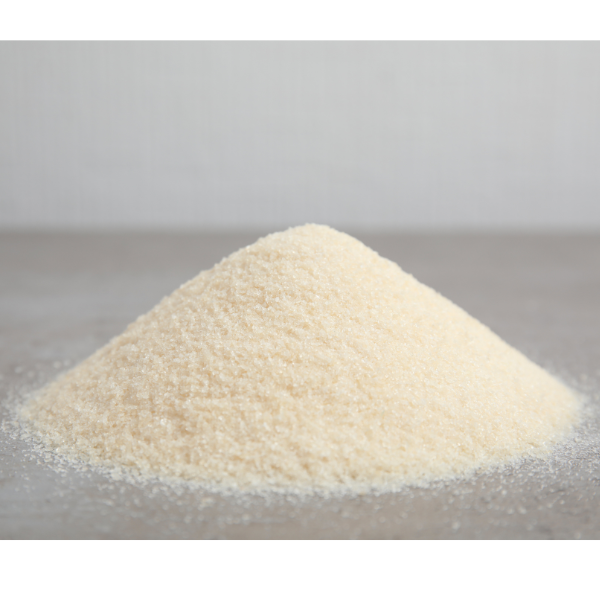
A softgel is a dosage form: an oily liquid or paste is sealed inside a soft capsule shell (film). The shell is usually made from edible gelatin, purified water and glycerin mixed in a set proportion. The gelatin comes mainly from animals, so it is called animal gelatin.
By raw material, animal gelatin is either hide gelatin (cowhide, pigskin, fish skin) or bone gelatin (beef, pork, chicken, fish bone). Bone and hide gelatin dominate the market because the extraction process is mature and output is high. In some religious markets, gelatin must come from approved sources and carry certification.
Gelatin shells work well, but they have limits:
- Cross-linking. Gelatin can cross-link, which makes the shell less soluble in gastric fluid and slows the release of the fill. Patent literature on non-gelatin shells describes this as an undesirable quality for soft capsules.
- Animal sourcing. Animal-derived raw materials bring concerns about animal-borne disease, such as BSE, which suppliers control through sourcing rules.
- Diet and belief. Gelatin is not accepted by vegetarians. Halal and kosher markets need certified sources.
These limits are why manufacturers look at plant-based shells. Today’s plant-based shells are mainly starch-based (pea starch or tapioca starch), with carrageenan-based and cellulose-based systems as other routes. Pea starch, for example LYCAGEL from Roquette, cannot form a shell alone and needs carrageenan for viscosity and gelling. Tapioca starch can form the shell on its own, without carrageenan as an aid. The Wikipedia softgel entry notes that the first carrageenan-free vegetarian softgel used modified tapioca starch.
What Is Tapioca Starch?
Tapioca starch is a white powder obtained from cassava (Manihot esculenta Crantz) by extracting and drying the starch. It looks like corn or wheat starch. Cassava is one of the world’s three major root crops, together with sweet potato and potato. It is called “tapioca” in Asia and “manioc” in Africa, and has other names across South America. In the United States and Europe, “cassava” usually means the root and “tapioca” means the starch and its processed products.
Tapioca starch has no off-flavor and a bland taste with no aftertaste. The paste it forms after cooking is clear and transparent, and the starch is very viscous. Patent literature on starch softgels notes that tapioca starch has a low gelatinization temperature, is colorless and tasteless, and has very good transparency. It is used in the food industry and in other industries, in two forms: native starch and modified starches. The tapioca starch used to replace animal gelatin in softgel shells is a modified starch.
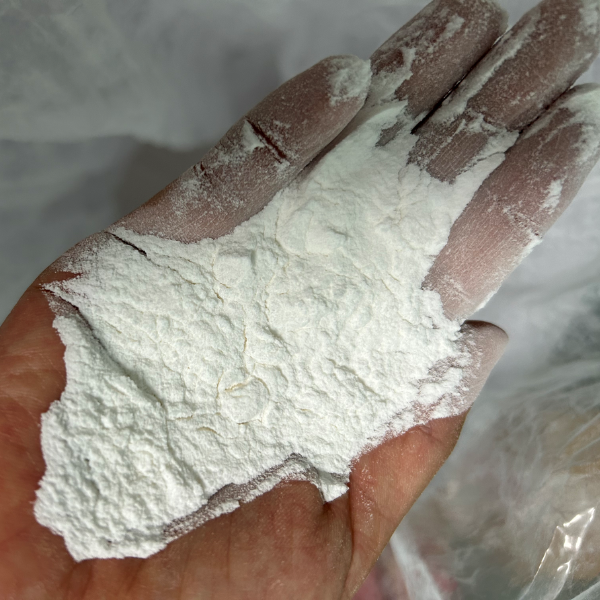
Where to Buy Tapioca Starch for Softgel Production?
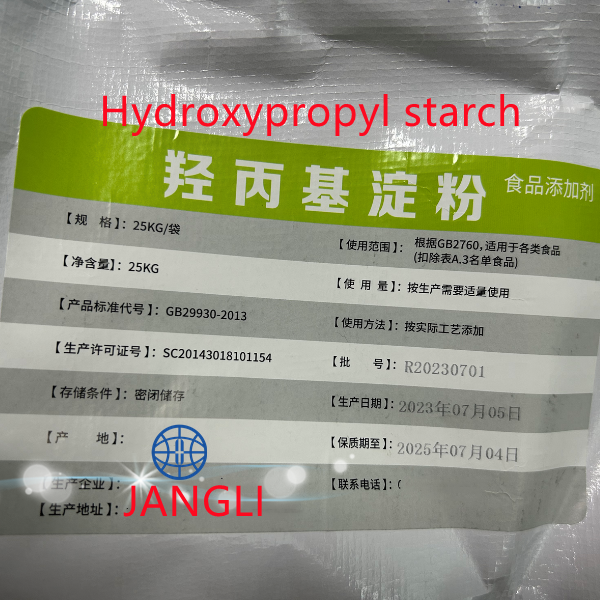
Ordinary tapioca starch is sold everywhere, but starch for softgel shells is specially processed and blended, so you buy it from professional manufacturers. Do not use food-grade starch as a substitute.
Wuxi JANGLI Machinery Co., Ltd. supplies softgel encapsulation machines and the other equipment for softgel production. We have worked with a Chinese softgel tapioca starch supplier for many years, and we developed our machines around the characteristics of tapioca starch.
We can help customers buy a first batch of starch from that supplier, usually 10 bags, and ship it with the machine for initial testing. We provide the information and documents needed to export and use the starch and a standard SOP, and our technician provides on-site training in how to use it. After that, customers can keep buying through us or buy directly from the supplier.
What Is the Manufacturing Flow for Tapioca Starch Softgels?
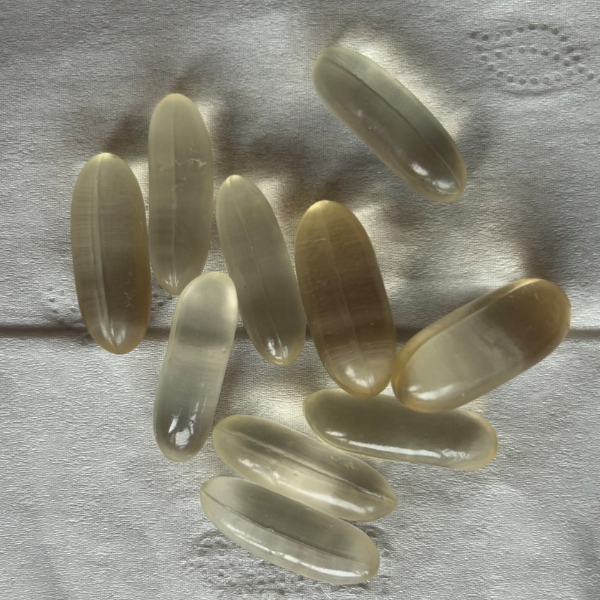
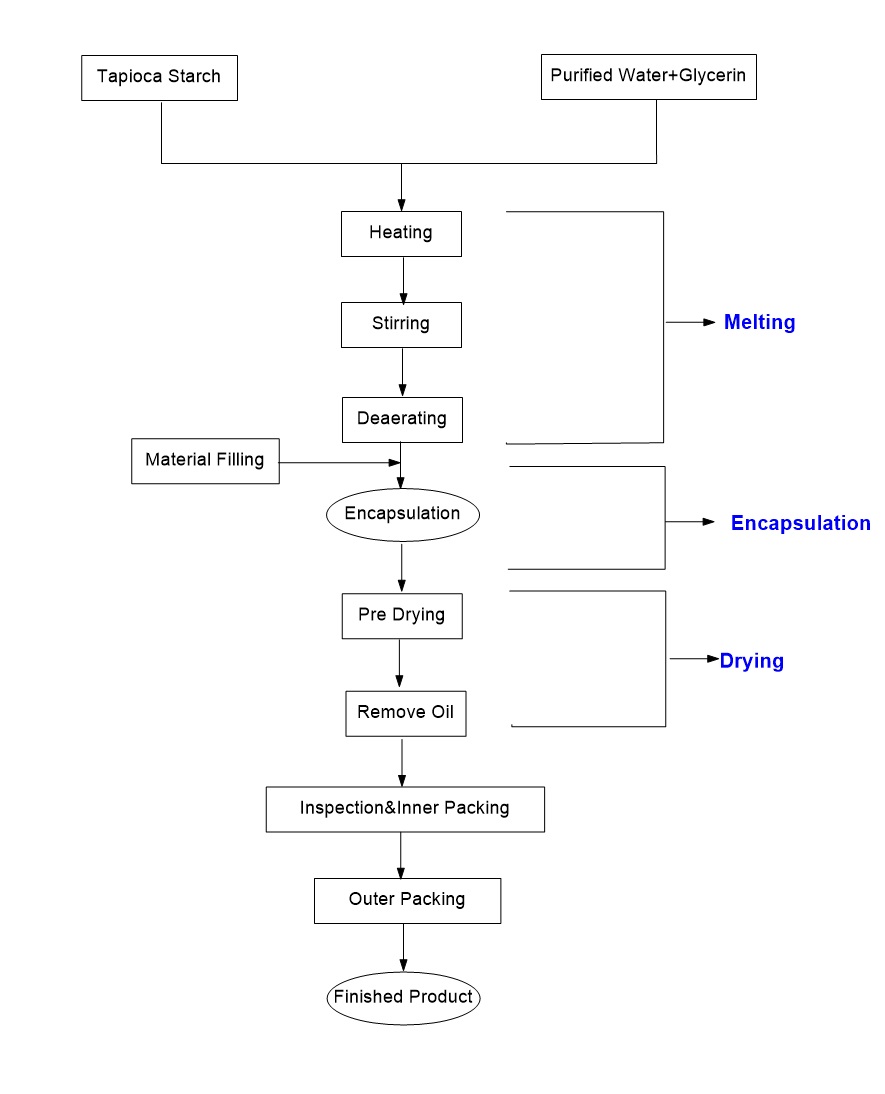
The chart shows a simple, typical flow for starch softgels without colorants, fragrances or recycled shell material. It helps you see how the process differs from animal gelatin. The overall production procedure is roughly the same as for animal gelatin softgels, with differences in time and temperature.
What Gelatin Melting Tank Does Tapioca Starch Need?
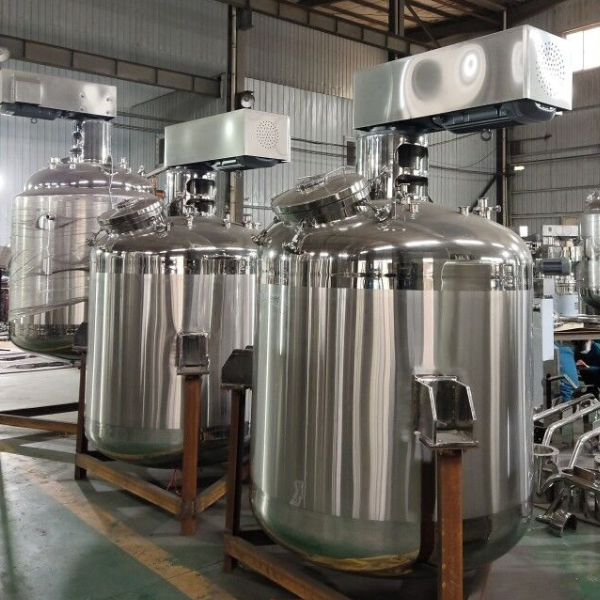
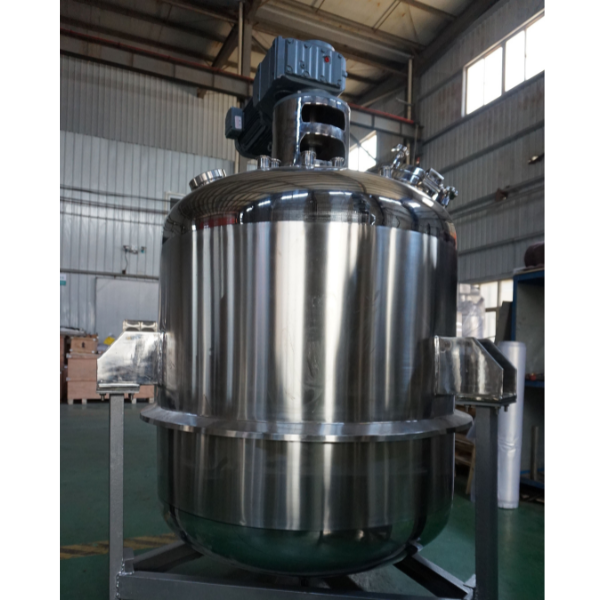
Animal gelatin is usually melted at around 70°C. Tapioca starch needs a much higher temperature to melt and stay fluid, and its viscosity is much higher, so it needs a melting tank with a stronger agitator. The table lists the characteristics of the starch mass and the matching changes to the melting tank.
| Characteristic of tapioca starch | Change to the melting tank |
| High viscosity | Increase the stirring power for the same tank volume to handle the larger stirring torque. |
| Poor liquidity | Increase the stirring speed compared with animal gelatin. We currently recommend an agitator speed of 50 rpm with VFD control. |
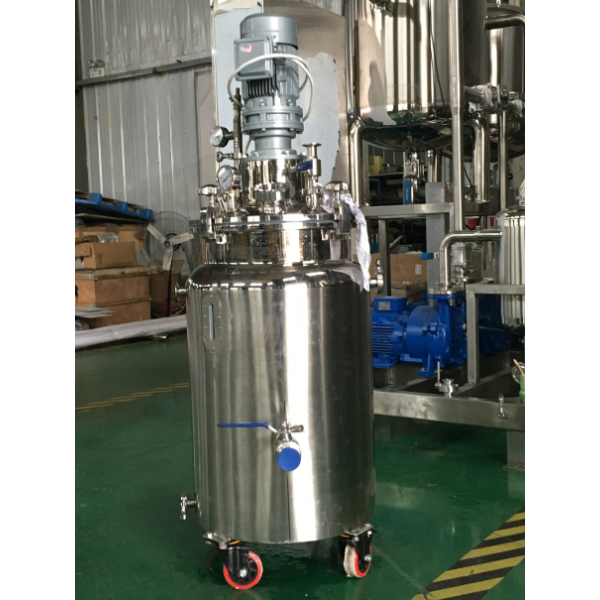
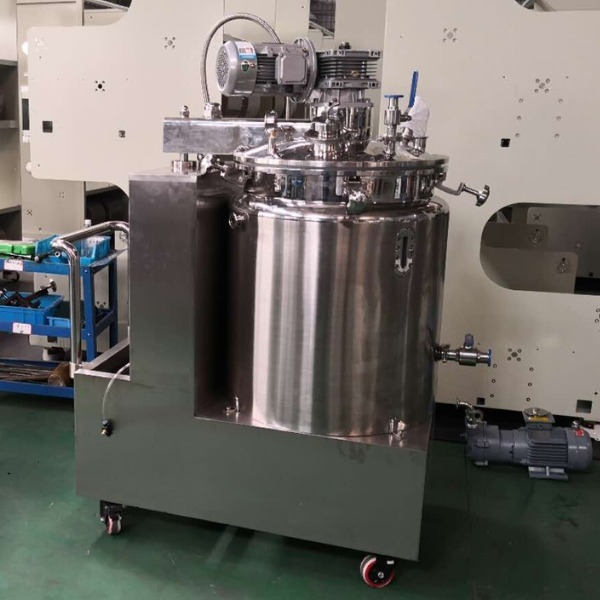
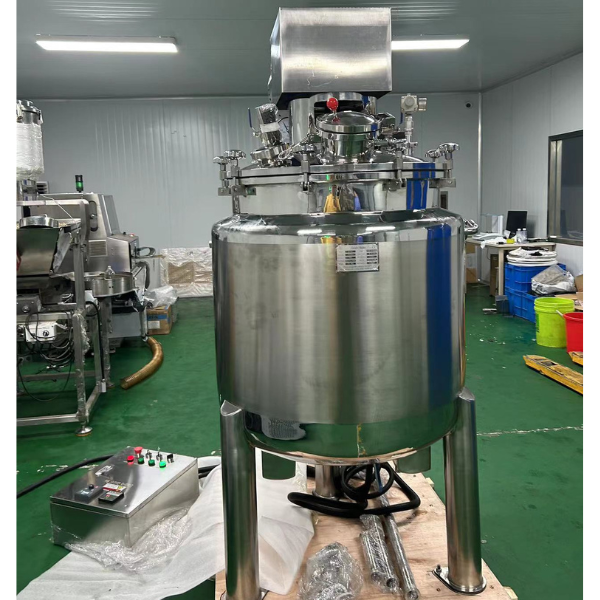
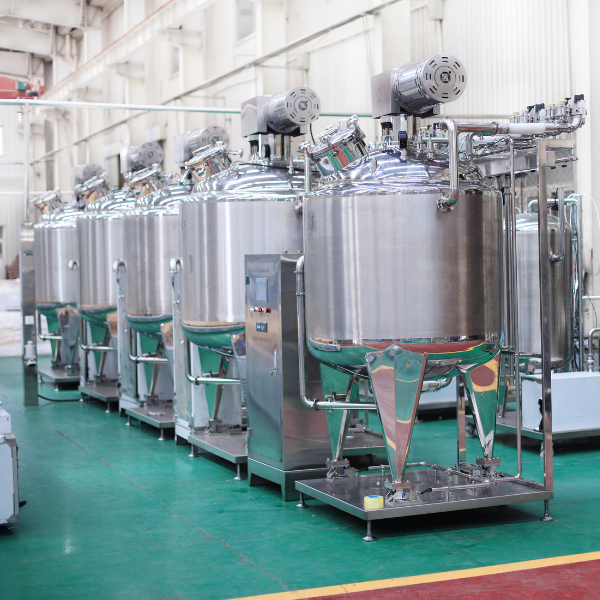
| Higher melting temperature | The temperature inside the tank needs to be 90°C and the jacket temperature 120°C. A water-bath jacket cannot reach this, so the heating medium is glycerin or heat transfer oil. We use glycerin instead of the traditional water bath. |
Based on these points, JANGLI developed gelatin melting tanks for vegetable shell cooking in several sizes for different outputs. See our gelatin preparation system range.
How Is the Tapioca Starch Mass Melted?
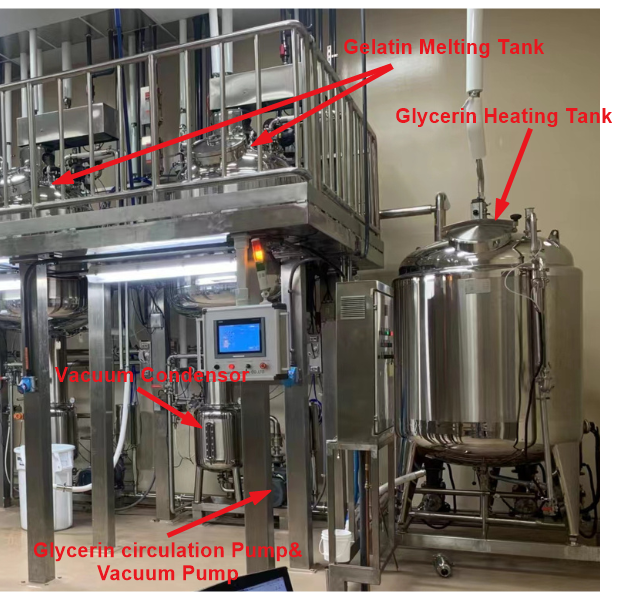
The basic ingredients of the starch shell mass are starch, glycerin and purified water. The ratio is tapioca starch : water : glycerin = 1 : 1 : 0.25-0.3. The steps below use an 800L gelatin melting tank with a glycerin heating tank and circulation system as an example.
- Weigh the tapioca starch, water and glycerin in advance: 180 kg of starch, 180 kg of water and 45 kg of glycerin. The materials are vacuum-fed to reduce manual labor.
- Heat the glycerin heating tank in advance to a preset 120°C, and make sure the melting tank is clean. When the heating tank reaches 120°C, you are ready to start. The hot oil circulation is not yet switched on.
- Vacuum the melting tank first. The pre-weighed purified water and glycerin are sucked in through the top. Once the liquid is in, start stirring.
- Keep the vacuum on and draw the tapioca starch in through the bottom of the tank. This avoids starch dust being sucked away by the vacuum, which happens with top feeding. Feed the starch intermittently, because adding too much at once makes it clump and lengthens the mixing time. We recommend feeding it in 4 portions, with the interval set by how evenly the powder and liquid mix.
- After the starch is fed, start the glycerin circulation. The jacket heats the material in the tank. The whole melting process takes about 3 hours.
- Stirring runs from the start of feeding until the material in the tank reaches 95°C.
- When the measured temperature of the liquid reaches 95°C, hold it and keep it boiling, and time the holding period. Keep the temperature at 95-98°C and continue stirring for 30 minutes.
- After holding, reduce the stirring speed to 20 rpm and switch on vacuum degassing. Pump while stirring for 4-5 minutes, then stop stirring and continue vacuuming for 3-4 minutes. Close the vacuum valve.
- After one minute, open the release valve and drain slowly while watching the temperature of the liquid. A temperature of 82-87°C is suitable.
- Preheat the gelatin service tank to 80°C in advance to receive the liquid.
- When discharging, cover the service tank and the discharge valve with plastic film so the mass does not form a skin from contact with air. Let the liquid run along the tank wall to reduce bubbles.
How Do You Choose a Softgel Machine for Tapioca Starch?
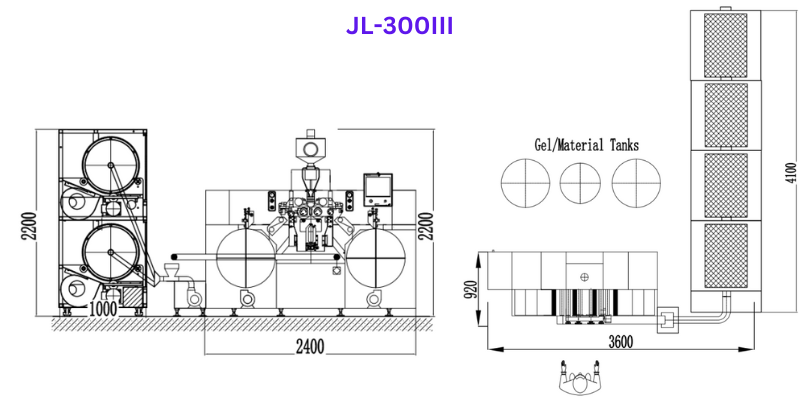
1. Measure your workshop
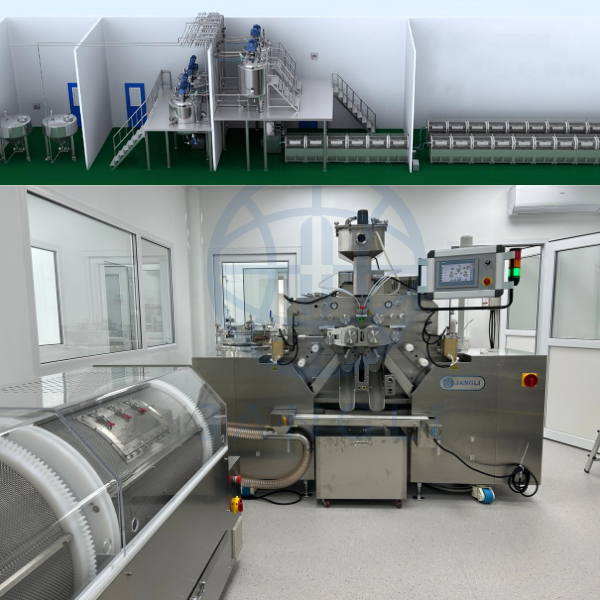
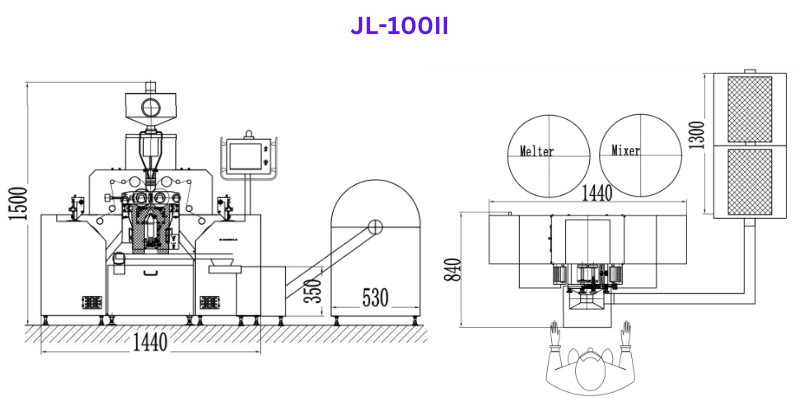
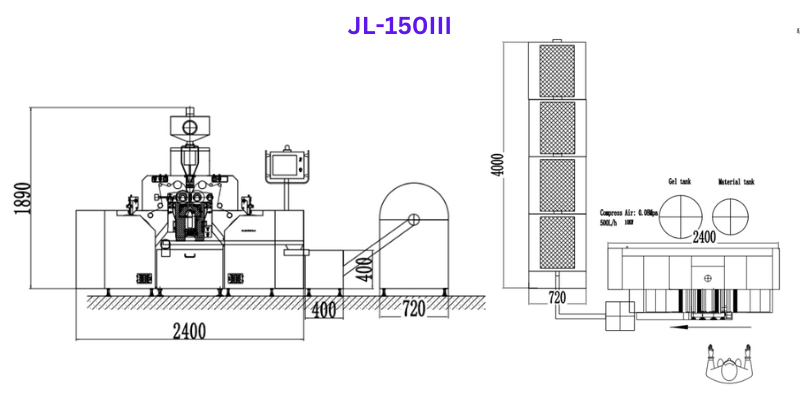
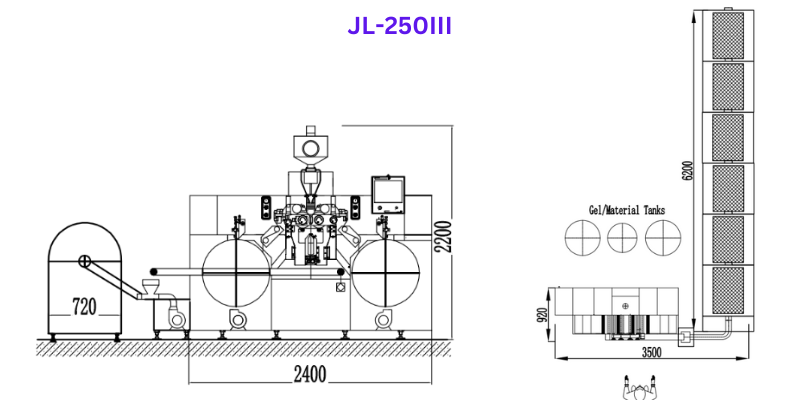
For real production, not just R&D, you need a room with space for the softgel machine and the shaping tumble dryers. Different machines need different room sizes. JANGLI currently has five softgel machine models: JL-100II, JL-150III, JL-250II, JL-250III and JL-300III. The pictures show each machine’s size and recommended layout.
2. Decide your output
The figures below are the maximum output per hour of each model. Actual output depends on capsule size, fill and shell formula.
| Output per hour (up to) | Machine | Class |
| 22,800 capsules | JL-100II | Smallest, R&D softgel machine |
| 50,000 capsules | JL-150III | Medium size |
| 100,000 capsules | JL-250II | Bigger size |
| 200,000 capsules | JL-250III | Big size |
| [[VERIFY: JL-300III output per hour]] | JL-300III | Largest size |
If you are not sure which model you need, contact us. Describe your capsule and output and we will recommend a suitable machine.
3. Set your budget
Your budget decides how much automation you can choose. With a limited budget, you can pick a larger machine with a traditional gear transmission. With a larger budget, a servo-driven machine is simpler to operate, relatively small and faster.
A traditional machine uses a gear drive, which creates vibration during transmission and affects stability and speed. Die roller alignment and medicine injection timing are adjusted manually, so the operator needs more experience.
A servo-driven machine has servo motors on the main parts, which reduces the vibration of a gear drive and can raise running speed, stability and output. Die roller (tooling) alignment and injection timing can be adjusted at the touch of a button on the PLC touchscreen. Automatic alignment and automatic fill volume adjustment suit operators who are new to softgel machines.
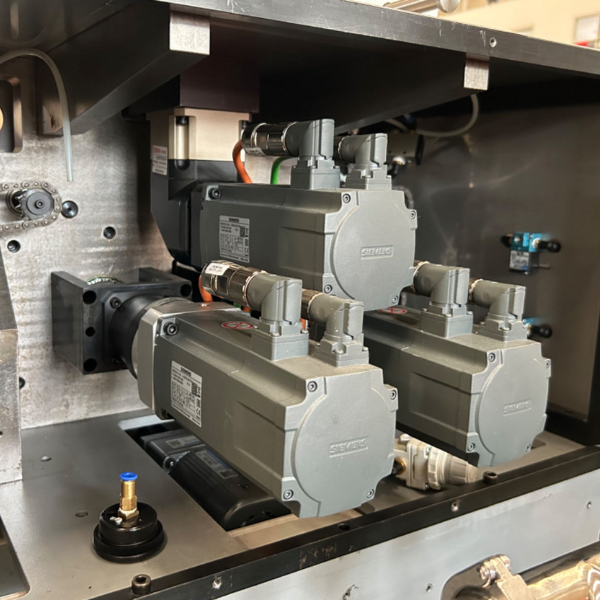
A servo machine also has an automatic gelatin film (ribbon) thickness adjusting system, which saves time and shell material.
4. Decide whether you make only plant-based softgels or both types
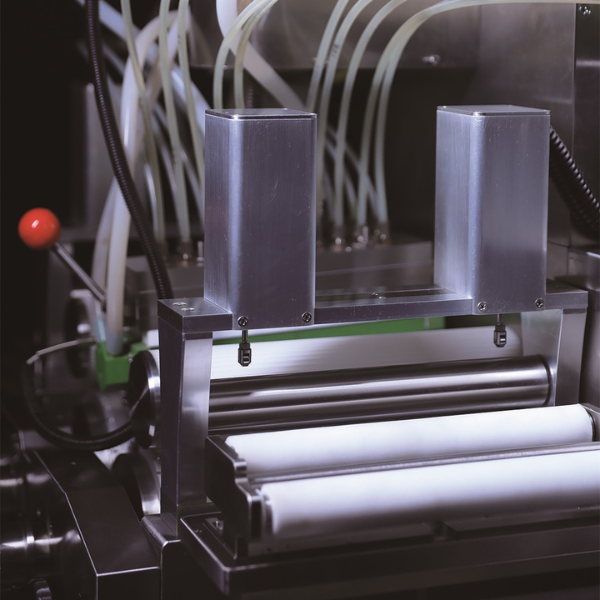
In principle, a machine for animal gelatin softgels and a machine for vegetable softgels can be the same model. But starch has different temperature requirements from animal gelatin, so a machine built for animal gelatin needs some modifications to perform well with starch shells.
How Do Machines for Tapioca Starch Differ From Animal Gelatin Machines?
1. Spreader boxes
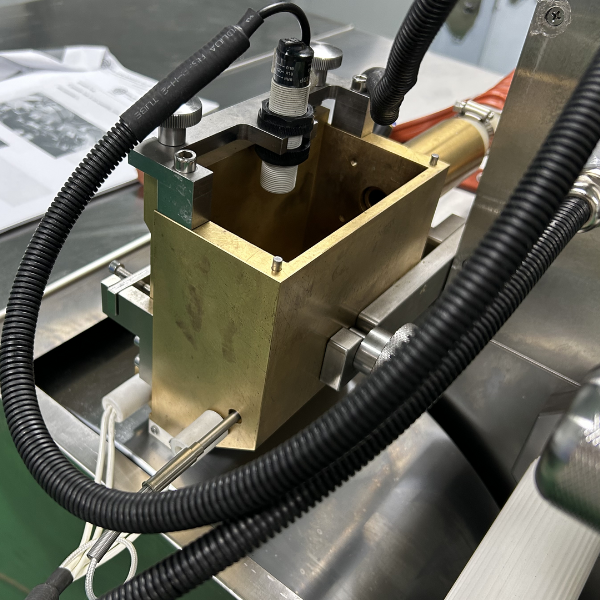
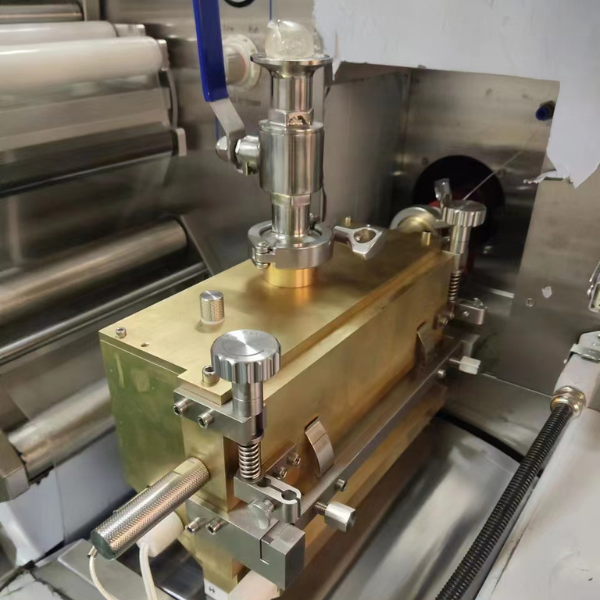
Open spreader boxes work for animal gelatin. Tapioca starch needs a high temperature to melt again once it solidifies, so we build enclosed spreader boxes to prevent solidification.
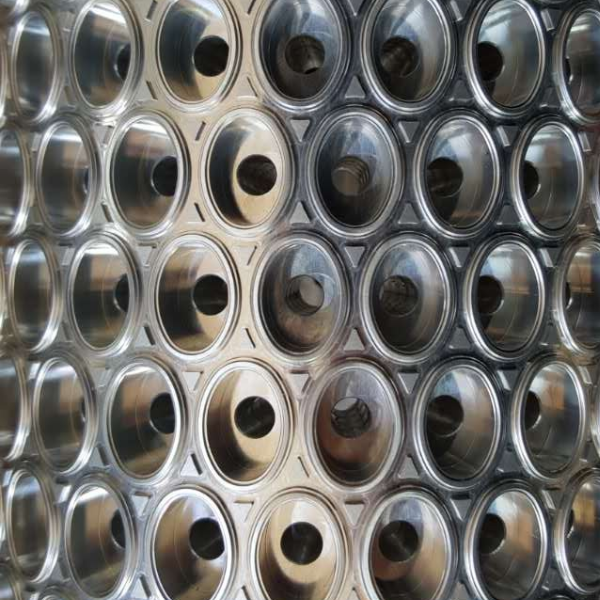
2. Die roller sets
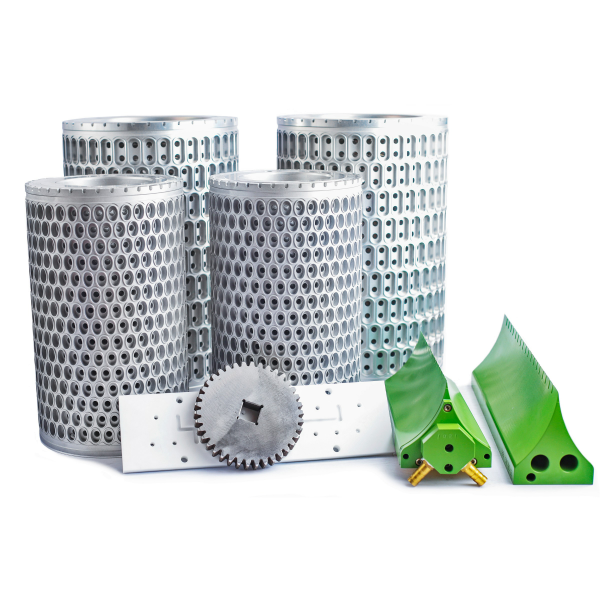
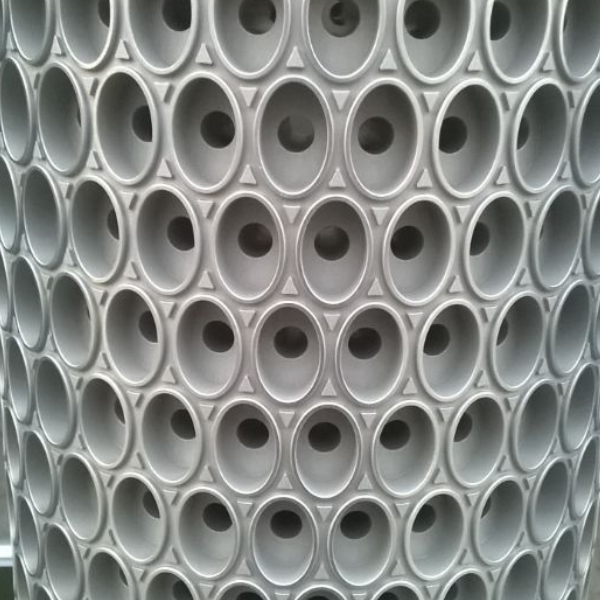
A single-step pocket design works for animal gelatin capsules. Tapioca starch capsules are more prone to leaking, so we use triple-step or bi-lip pocket designs on the die rollers to get a stronger seam. See our plant-based softgel die roller set and the general die roller guide.
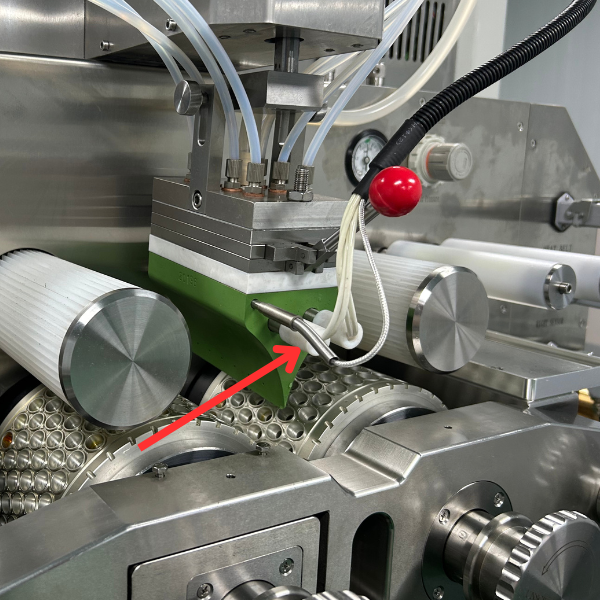
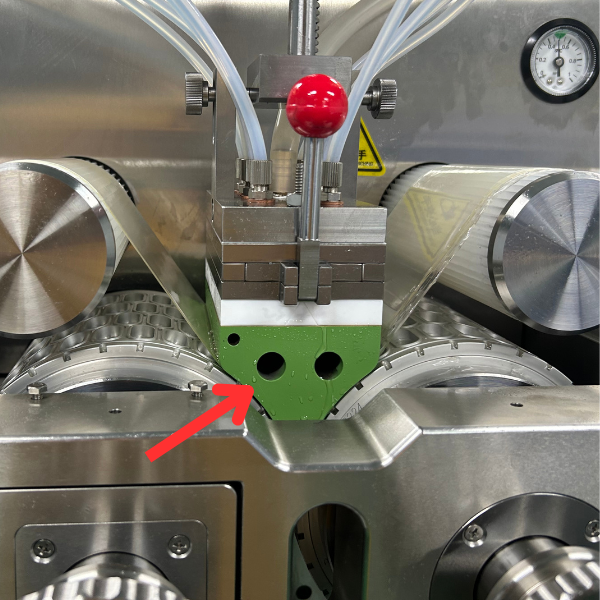
For animal gelatin softgels, the ribbon is heated by the wedge (spray segment) and then bonded between the left and right rollers. The starch ribbon needs maximum cooling during encapsulation, so the wedge does not need to be heated.
3. Cooling fans for the casting drums
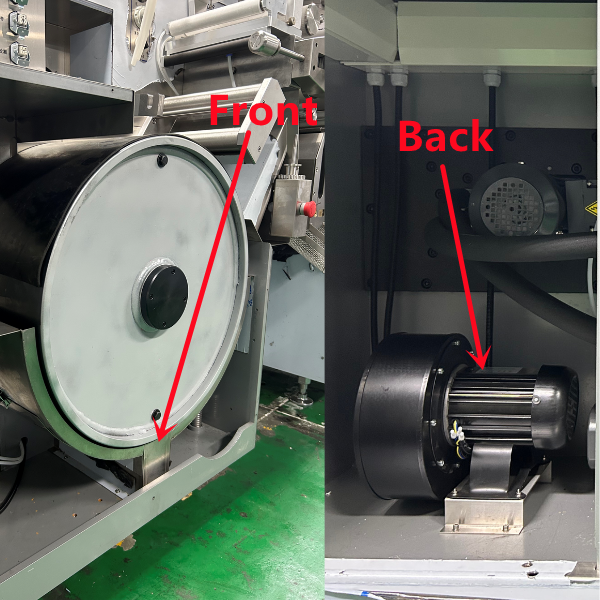
The starch liquid is hot, and the film must cool faster. A tapioca starch softgel machine therefore has a variable-frequency, speed-adjustable cooling fan with a larger air volume in the frame box behind the casting drum. It replaces the small fixed-frequency fan under the casting drums of an animal gelatin machine.
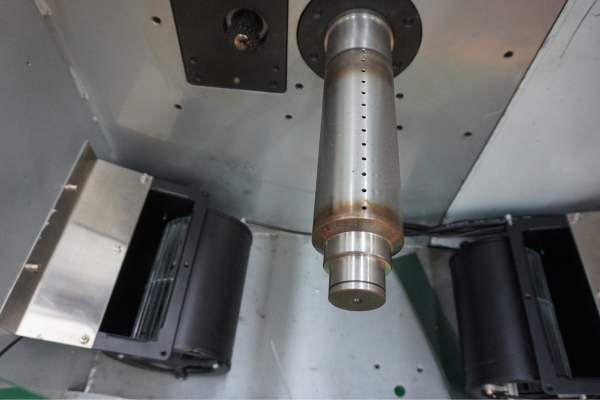
4. Pipe for gelatin (starch) liquid
For animal gelatin, a food-grade silicone hose is enough. Starch liquid is much hotter, and a silicone hose can burst during encapsulation, which is dangerous and costs time. Use stainless steel pipe instead.
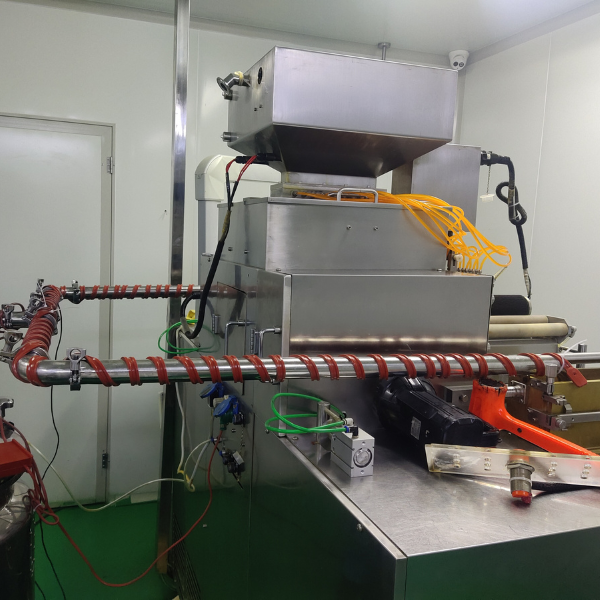
5. Pipes inside the machine
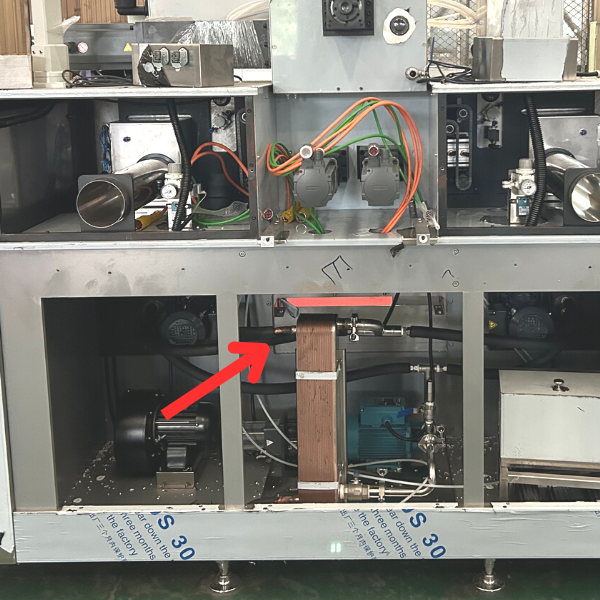
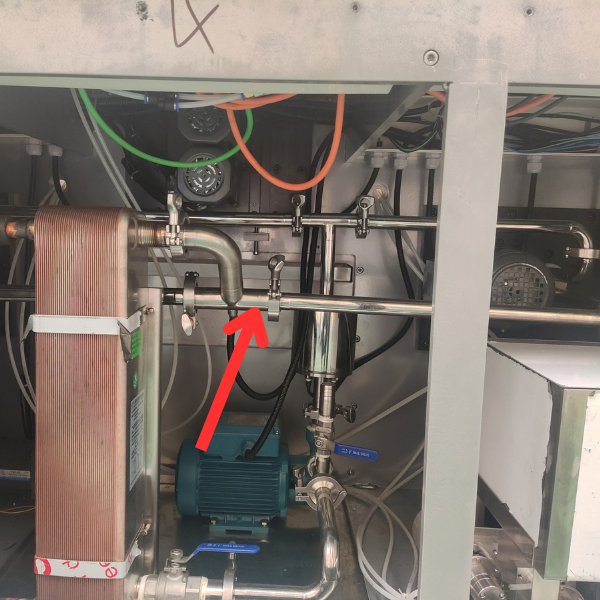
With animal gelatin, the casting drum is cooled to cool the ribbon. With tapioca starch, the casting drums are cooled most of the time but sometimes need heating, so the pipes inside the machine are stainless steel instead of silicone hose.
How Does Tapioca Starch Softgel Encapsulation Work?
- Install and heat the pipes. Use stainless steel pipes for the hot starch liquid. Keep the liquid in the service tank and delivery pipe at 75°C. Wrap the pipes in electric heating tape controlled between 75 and 85°C.
- Connect the pipe between the service tank and the spreader boxes on the softgel machine, and keep heating it at 75-85°C before the mass is transferred.
- Heat the spreader boxes to 80°C. The mass inside should be at 75°C, so heat the boxes about one hour before use.
- Control the encapsulation room. Keep the temperature between 20 and 26°C and the relative humidity below 30%. When humidity is above 30%, the leaking risk increases while the softgels roll in the tumble dryer.
- Pressurize the starch liquid from the service tank to the spreader boxes.
- Start the machine. Set the die roller speed to 0.6-1.0 rpm, start the casting drums, switch on the cooling fans and begin forming the ribbon.
- Measure the ribbon thickness and set it to 0.6-0.8 mm.
- Encapsulate. Adjust the wedge height so it touches the die rolls and the ribbons, then turn down the handle to inject the oil and test the loading capacity of the shell. This step is the same as for animal gelatin softgels.
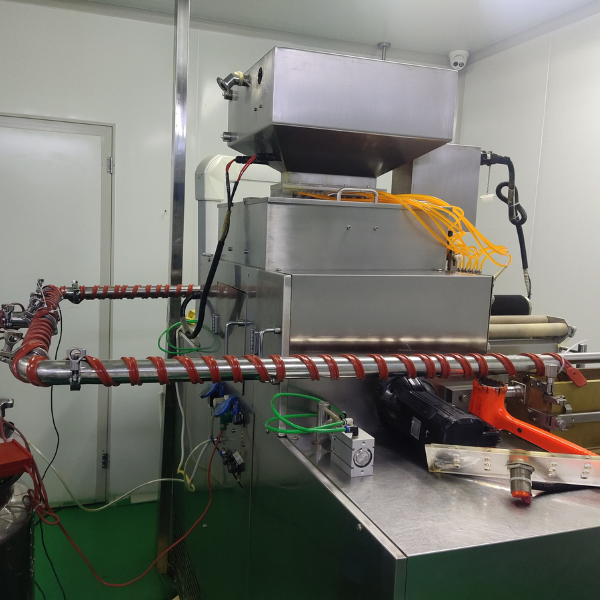
This video shows a small-production servo motor softgel encapsulation machine running tapioca starch vegetable softgels:
How Are Tapioca Starch Softgels Dried?
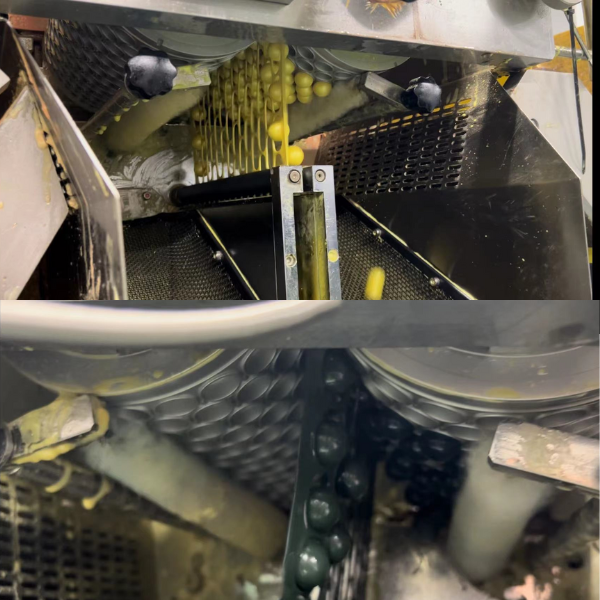
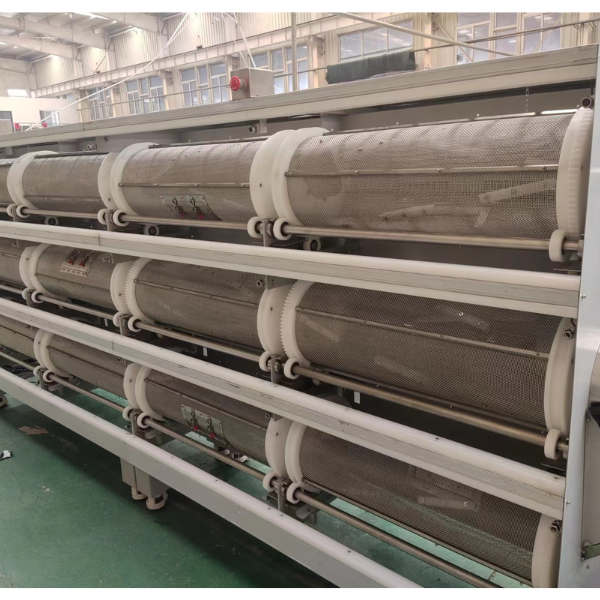
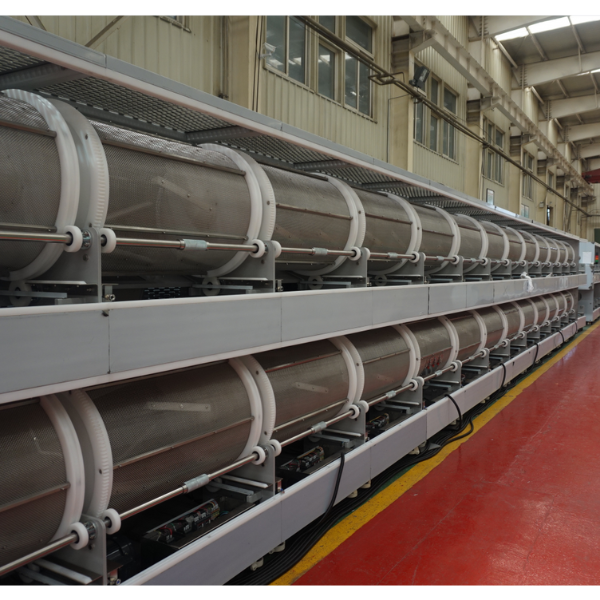
- Shaping and initial drying. Softgels leaving the machine go into tumble dryers. JANGLI developed a 3-layer tumble dryer with smaller but longer baskets for tapioca starch softgels. Starch softgels are fragile at first and cannot be squeezed or piled, so the capsules keep rotating and pass quickly from one basket to the next. This shapes them and avoids mutual pressing, which avoids leaks.
- Further drying. After initial drying, move the capsules to drying trays, or use in-line tumble dryers to dry them thoroughly.
- Intelligent tumble dryer. Our intelligent tumble dryer works for both animal gelatin and tapioca starch softgels. It has a dehumidifier and air conditioner built in, and you adjust the humidity and temperature of each basket on the PLC touchscreen, so you do not need to control the room temperature and humidity.
Conclusion
Plant-based softgels are becoming more popular. Choosing the right shell material, equipment and service for vegetable softgels is an important question for softgel manufacturers. JANGLI offers machines, melting tanks, die roller sets and drying equipment for tapioca starch softgels, with an SOP and on-site training. Contact us to discuss your project.
Frequently Asked Questions
What is a tapioca starch softgel?
It is a softgel with a shell made from modified tapioca starch, glycerin and purified water instead of animal gelatin. It is made on a rotary die machine with adjustments to the shell preparation, die roller, cooling and pipework.
Are tapioca starch softgels automatically vegan, halal or kosher?
No. The shell is plant-based, but a vegan, halal or kosher claim depends on the whole product, including the fill, colors, glycerin source and any certification. See our guide to non-animal softgel capsules.
Can I use my animal gelatin softgel machine for tapioca starch?
Often, with changes. The same basic machine can make both, but starch needs enclosed spreader boxes, a multi-step die roller, a stronger cooling fan, stainless steel pipes and a hotter shell preparation system. Send us your model and we will advise.
What temperature does tapioca starch need for softgel shells?
In our process the melting tank reaches 90°C with a 120°C jacket, and the liquid is held at 95-98°C for 30 minutes. The liquid is discharged at 82-87°C, and kept at 75°C in the service tank and pipe. These figures depend on your starch supplier’s formula, so follow their data.
Where can I buy tapioca starch for softgels?
From professional manufacturers of softgel starch, not from ordinary food-grade suppliers. We can help you buy a first batch, usually 10 bags, shipped with your machine for testing. See the sourcing section above.
Why do starch softgels leak?
Starch capsules are more prone to leaking than gelatin capsules, so the seam needs more help. In our experience, the main factors are a seam design suited to starch (a triple-step or bi-lip die roller), correct shell and room temperature, humidity above 30% RH while the capsules tumble, and squeezing or piling of fresh capsules. Check these before you suspect the shell material.
Written by Wendy Yu, JANGLI. Last reviewed: [2026]. Specifications may change, so please confirm details with us before ordering.
Send us your capsule shape, fill and target output, and we will recommend a model.