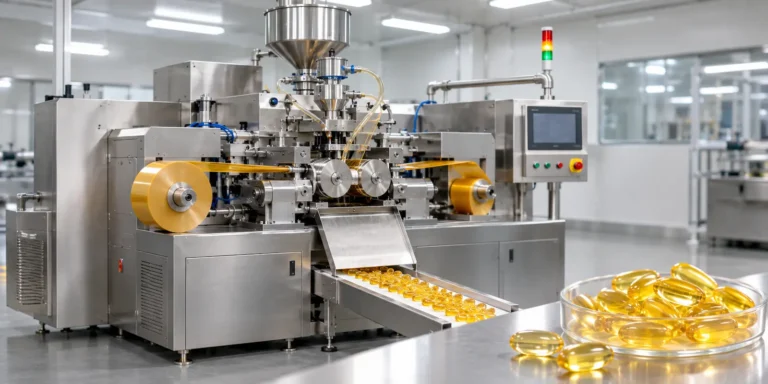
What Is a Softgel Die Roller?
A softgel die roller (also called a softgel rotary die or softgel tooling) is a pair of precision-machined cylinders with pockets that form, fill, seal and cut softgel capsules on an encapsulation machine. The pocket design sets the capsule shape and size, and the machining precision decides whether the seams are strong and leak-proof.
Key Takeaways
- The die roller is the core component of a softgel machine and determines capsule shape, size and fill volume.
- Roundness and perpendicularity of the cylinders decide how cleanly capsules are cut and how strong the seams are.
- The step design should match the shell and the fill: single step for animal gelatin with oil, double step for thick fills, triple step for starch shells.
- Price is driven by expensive material, long CNC machining time and high precision requirements.
How a Softgel Die Roller Works
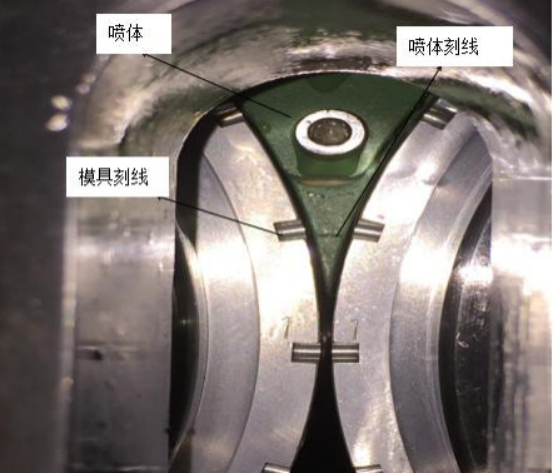
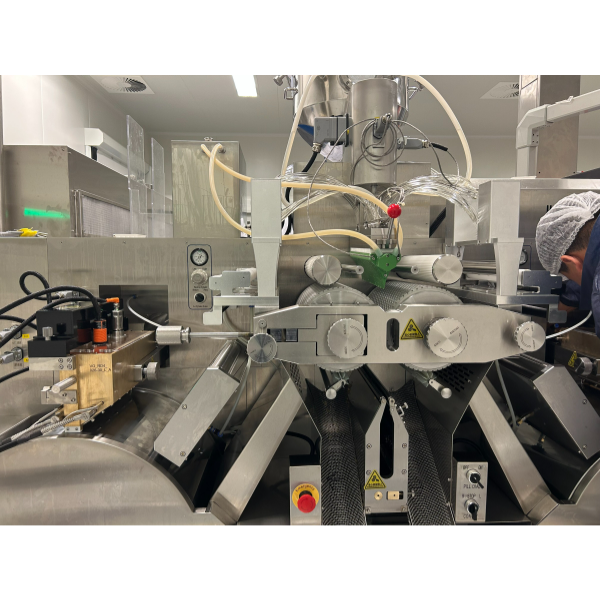
The filling material is injected into the die roller cavity through the injection segment (wedge). While the filling is injected, the die rollers rotate and start to bond the gelatin film from the bottom side. After the injection, the rollers keep rotating and bond the film on the upper side, which forms a complete capsule.
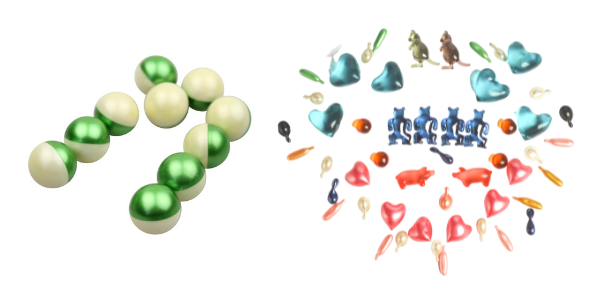
All the different capsule shapes we see on the market are made by softgel die roller sets. Pockets are designed according to the shape and fill volume the customer needs. Because the machine itself requires high precision, the die roller set must be just as precise. A high-precision softgel die roller produces capsules with a good shape and strong, leak-proof seams.
Softgel die rollers are priced relatively high because the material is expensive, the machining time is long and the processing technology requirements are demanding. See what affects the price below.
Other Names for Softgel Die Roller
Depending on the supplier and the country, the same part is also called:
- Softgel die roller set
- Softgel rotary die
- Softgel die rolls
- Softgel tooling
- Soft gelatin capsule tooling (tooling for soft gelatin capsule)
- Softgel mold
Softgel Die Roller Components and Materials
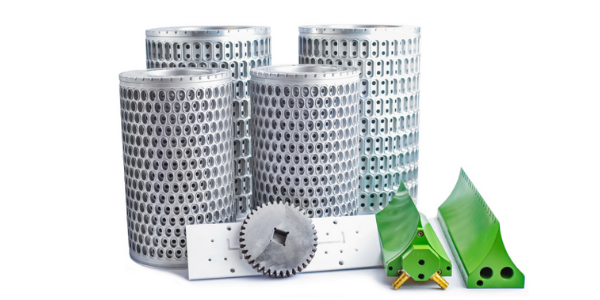
A complete die roller set includes a pair of cylinders (die rollers), an injection segment (wedge), a distribution plate and, on gear-driven machines, a timing gear.
| Component | Material and finish | Why it is made this way |
|---|---|---|
| Die roller cylinders (pair) | Aircraft-grade aluminum, anodized | Aluminum is strong, lightweight and easy to machine. Anodizing protects the surface from corrosion and makes it harder. |
| Injection segment (wedge) | Brass with Teflon coating | Brass has good thermal conductivity. The non-stick Teflon coating stops the gelatin film from sticking to the segment. |
| Distribution plate | PTFE (stainless steel on request) | PTFE is the standard material. We can switch to stainless steel for clients with special requirements. |
| Timing gear | Gear-driven machines only | It connects the die roller shaft to the main motor. On servo-driven machines such as the JL-250III servo softgel machine, the servo motor drives the shaft directly and no timing gear is needed. |
How Are Softgel Die Rollers Manufactured?
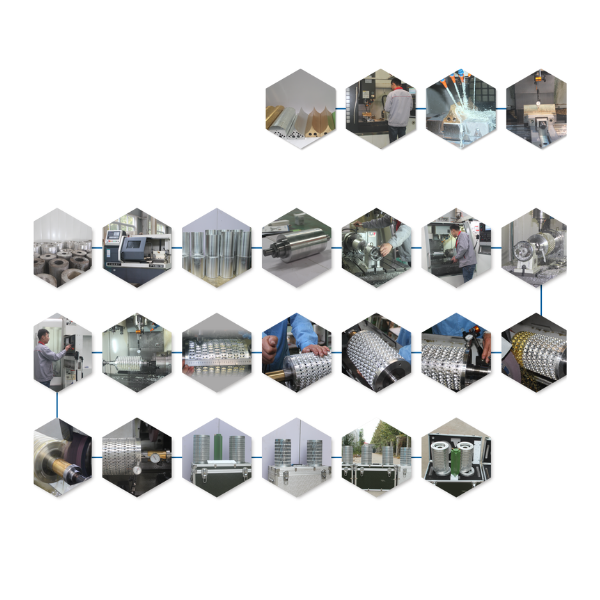
Our softgel die roller production follows six steps, from drawing to inspection.
- Design and drawing. We draw the die rollers according to your machine model and capsule requirements and send the drawings for your confirmation. For special capsule shapes, send us sample capsules and our engineers will size the pockets from the measurements. We can currently make matching die roller sets for most softgel machine models, including our own JL-100II, JL-250II, JL-250III, JL-300III and JL-150III, Korean models such as CHANGSUNG and SKY, Pharmagel from Italy, and machines made in India. For a new model we have not handled before, we need you to send a sample die roller for measurement.
- Raw material and rough machining. After you confirm the drawings, we buy brass rods and aircraft-grade aluminum rods in diameters that match the die rollers and the injection segment. The rods are cut to length, then rough turned and ground on a lathe into semi-finished die roller blanks.
- CNC machining. The semi-finished blanks go to the CNC machining center, where the pockets, positioning pin holes and end-face lettering are machined from the drawings loaded into the CNC program. Machining one die roller cylinder takes about 20 hours. Because the inside of the cylinder has many burrs afterwards, it is cleaned, ground on the lathe, then cleaned and dried again.
- Precision grinding. The formed cylinders are not yet precise enough, so they go through cylindrical grinding and end-face grinding. This guarantees the roundness and perpendicularity of the cylinders, the two factors that decide whether the capsules are cut cleanly.
- Surface treatment. After cleaning and drying again, the surface is treated in two procedures. First, an automatic sand blower gives uniform sandblasting, which removes tiny burrs and smooths the surface. Then anodizing forms a protective film, because aluminum oxidizes and corrodes easily. The film makes the die rollers corrosion-resistant and harder.
- Inspection and packing. Every die roller is inspected manually to ensure accuracy. After inspection, the die rollers are packed and shipped.
The injection segment (wedge) follows a similar but simpler process, with Teflon spraying as the last step.
Watch the video below to see softgel die roller production at JANGLI:
Single, Double and Triple Step Softgel Die Rollers
What Are Multiple-Step Die Rollers?
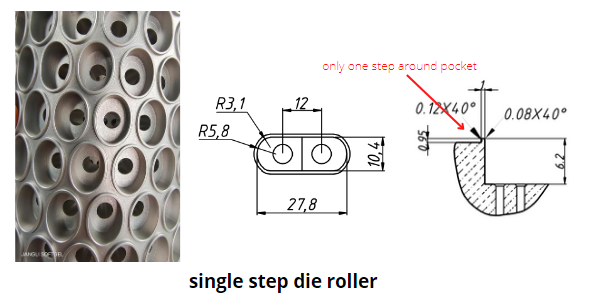
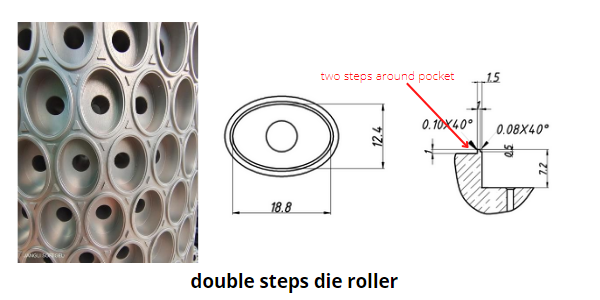
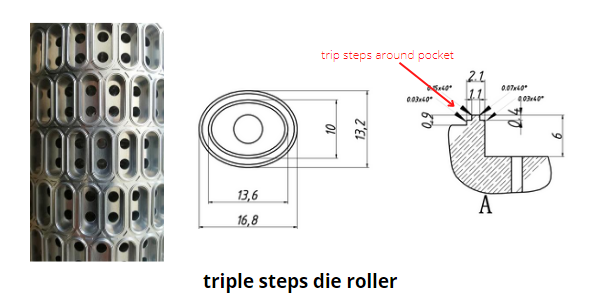
Normally there is only one step around each pocket on the die roller cylinder. We found that capsules sometimes do not seal well and leak oil, so we kept looking for a way to improve sealing and developed multiple-step softgel die rollers.
On a multiple-step die roller there is an extra step inside the pocket, outside the pocket, or both. The extra step(s) reduce the pulling force on the gelatin film and help the middle cutting step seal better.
Which Step Design Fits Which Product?
| Step design | Best for | Reason |
|---|---|---|
| Single step | Animal gelatin shell with pure oil fill | Pure oil cuts through the gelatin film easily, the seam is strong and not easy to leak. |
| Double step | Animal gelatin shell with thick fill such as lecithin | The second step makes the seam stronger and less likely to leak. |
| Triple step | Starch shell (tapioca starch, pea starch, carrageenan) | Starch film is viscous and has low ductility, so the seam is weak and prone to leaking. Triple steps help solve this to some extent. |
Die Rollers for Starch (Vegetarian) Softgels
Starch shells behave differently from animal gelatin, so the die roller design has to change as well. These are the points we apply to starch softgel die rollers:
- Larger pockets and wider distance between pockets: Starch gelatin has poor elasticity, so the pocket for the same fill volume is larger than for animal gelatin. This leaves enough space after filling to keep the seam from being squeezed by the contents and becoming weak.
- Less dense pocket arrangement: The distance between adjacent pockets should be larger than for animal gelatin, to prevent the gelatin ribbon from being torn when it is pulled.
- Triple step design: The inner and outer steps of the pocket differ from the middle cutting step by 0.2 to 0.3 mm. The total step height is 0.8 to 0.95 mm, compared with 0.4 to 0.5 mm for animal gelatin.
- Fine sandblasting: To stop the film from sticking to the die rollers, the surface is sandblasted with fine sand of 200 mesh or finer. This makes the anodized film denser and gives a frosted effect that keeps the gelatin film from sticking, which supports higher machine speed.
Because the height difference between the inner and outer steps and the cutting step is smaller, a small raised edge appears at the seam right after the starch softgels leave the die rollers. Starch gelatin shrinks a lot during drying, so this edge disappears, and in our production experience the seam sealing rate can reach 90% to 100%.
JANGLI Softgel Die Roller Innovations
WUXI JANGLI MACHINERY has built softgel equipment since 1998. Based on more than 28 years of production experience, we have improved softgel die rollers in several ways.
Outer Circle and End Face Grinding Craft
How smoothly a die roller cuts depends on the supplier’s chamfering and outer circle grinding craft. The “concentric and positioning” outer circle grinding craft we developed has been well received by softgel manufacturers. It ensures the concentricity and perpendicularity of the die roller, prevents rough cutting under regular use and prolongs the service life of the die rollers.
Triangle Blocks Between Pockets
We add triangle blocks between the pockets. Both die roller cutting and the pulling of the gelatin ribbon by the roller can deform the ribbon. Our triangle blocks and edge step design reduce the passive pull on the ribbon, so there is less deformation and the seam is stronger and neater.
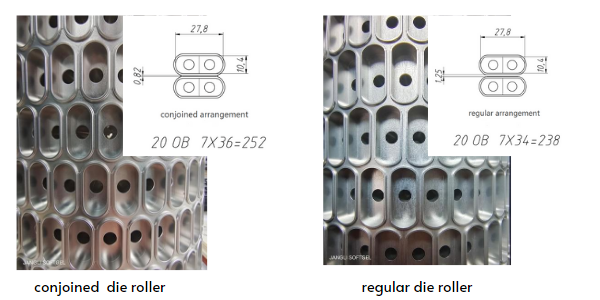
Conjoined Softgel Die Rollers: More Pockets, Less Gelatin Waste
Our original conjoined die roller changes how the pockets are arranged and machined. Without changing the machine or the pocket size, it uses the limited space on the die roller diameter more efficiently: the distance between pockets is reduced and the number of pockets is increased. More of the gelatin ribbon becomes capsules, so output rises and less gelatin is wasted.
Take the standard 20 Oblong capsule as an example:
| Layout | Pocket arrangement | Pockets per roller | Distance between adjacent pockets |
|---|---|---|---|
| Standard die roller | 7 x 34 | 238 | 1.25 mm |
| JANGLI conjoined die roller | 7 x 36 | 252 | 0.82 mm |
The spacing drops from 1.25 mm to 0.82 mm, which frees space for extra pockets. We use a smaller machining tool to process the conjoined die rollers.
What Affects the Price of a Softgel Die Roller?
The price of a die roller set depends on the following factors, so there is no single fixed price:
- Material: aircraft-grade aluminum cylinders and a brass segment are more expensive than ordinary stock.
- Machining time: one cylinder needs about 20 hours on the CNC machining center, plus grinding and cleaning.
- Precision requirements: roundness and perpendicularity grinding, sandblasting, anodizing and manual inspection of every piece.
- Pocket design: capsule shape and size, number of pockets, and single, double or triple step structure.
- Machine model: a model we have not handled before needs a sample die roller for measurement first.
Die Roller Care and Service Life
The anodized film protects the aluminum cylinders from corrosion, so handle the die rollers carefully to keep the film and the pocket edges intact, clean them after production and keep them dry. For a detailed guide, read our article Your Softgel Die Roller Set Is Always Corroding? Check the Correct Maintenance Way.
How to Order a Custom Softgel Die Roller Set
To quote and design your die roller set, please send us:
- Your softgel machine brand and model, and whether it is gear-driven or servo-driven
- Capsule shape, size and fill volume, or sample capsules for special shapes
- Shell type (animal gelatin or starch) and fill type (oil, lecithin suspension and so on)
- A sample die roller, if your machine model is not on our compatible list
We then draw the die rollers, send the drawings for your confirmation and start production. Browse our full range of softgel die roller sets.
Softgel Die Roller FAQ: Basics, Materials and Ordering
What is a softgel die roller?
A softgel die roller is a pair of precision-machined cylinders with pockets that form, fill, seal and cut softgel capsules on an encapsulation machine. Its pocket design sets the capsule shape and size, and its machining precision decides whether seams are strong and leak-proof.
What materials are softgel die rollers made of?
The cylinders are normally made of aircraft-grade aluminum with an anodized surface for corrosion resistance. The injection wedge is brass with a Teflon coating, and the distribution plate is PTFE, or stainless steel on request.
Should I choose a single, double or triple step softgel die roller?
Match the step design to the shell and the fill. Single step suits animal gelatin with pure oil, double step suits animal gelatin with thick fills such as lecithin, and triple step suits starch shells such as tapioca starch, pea starch or carrageenan.
Why are softgel die rollers expensive?
They use costly materials and need long CNC machining, about 20 hours for one cylinder, followed by precision grinding, sandblasting, anodizing and manual inspection. Pocket design, capsule size and pocket count also affect the price.
What do I need to provide to order a custom softgel die roller set?
Send your machine model, the capsule shape, size and fill volume, and the shell type (animal gelatin or starch). For special capsule shapes, sample capsules can replace a drawing. For a machine model we have not worked with before, send a sample die roller for measurement.
How can I judge the quality of a softgel die roller from a manufacturer?
Check the roundness and perpendicularity of the cylinders, because they decide how cleanly capsules are cut. Also ask about the outer circle and end face grinding, the surface treatment (sandblasting and anodizing) and whether every die roller is inspected. At JANGLI, every die roller is manually inspected before packing.
Softgel Die Roller FAQ: Seam Leaks, Starch Shells and Machine Compatibility
Why do softgel capsules leak at the seam, and how can the die roller help?
Seam leaks usually come from a weak seal where the gelatin film is cut and bonded. On the die roller side, three things matter: accurate roundness and perpendicularity of the cylinders for clean cutting, the right number of steps for your shell and fill, and enough space around each pocket. Multi-step die rollers reduce the pulling on the film and help the middle step seal better. For starch shells, a triple step design is recommended.
What is the best softgel die roller for starch or vegetarian softgels?
A triple step die roller designed for starch is the recommended choice for shells such as tapioca starch, pea starch and carrageenan. Compared with animal gelatin, it uses larger pockets, more space between pockets and a total step height of 0.8 to 0.95 mm, against 0.4 to 0.5 mm for animal gelatin. The surface is sandblasted with sand of 200 mesh or finer to reduce film sticking.
Can you make softgel die rollers for Changsung, SKY, Pharmagel or other machine brands?
Yes, we can currently make matching die roller sets for most softgel machine models, including our own JL series, Korean models such as CHANGSUNG and SKY, Pharmagel from Italy and machines made in India. For a new model we have not handled before, we ask customers to send a sample die roller for measurement.
Does my softgel die roller set need a timing gear?
Only if your machine is gear-driven. The timing gear connects the die roller shaft to the main motor. On servo-driven softgel machines, the servo motor drives the die roller shaft directly, so no timing gear is needed.
What is a conjoined softgel die roller and how does it reduce gelatin waste?
A conjoined die roller uses a tighter pocket arrangement on the same roller diameter, without changing the machine or the pocket size. For a standard 20 oblong capsule, the layout changes from 7 x 34 = 238 pockets at 1.25 mm spacing to 7 x 36 = 252 pockets at 0.82 mm spacing, so more of the gelatin ribbon is used to make capsules.
Why does gelatin film stick to the softgel die roller, and how can it be prevented?
Sticking is reduced through surface treatment. Sandblasting with fine sand of 200 mesh or finer makes the anodized film denser and gives a frosted surface that keeps the film from sticking, which supports higher machine speed. The injection wedge uses a non-stick Teflon coating for the same reason.
Written by the JANGLI technical team (WUXI JANGLI MACHINERY CO., LTD., softgel equipment manufacturer since 1998). Last reviewed: October 2026. Specifications and compatible machine models may change, so please confirm details with us before ordering.
Need Softgel Die Rollers for Your Machine?
Send us your machine model and capsule requirements and our engineers will reply with a drawing and quotation.