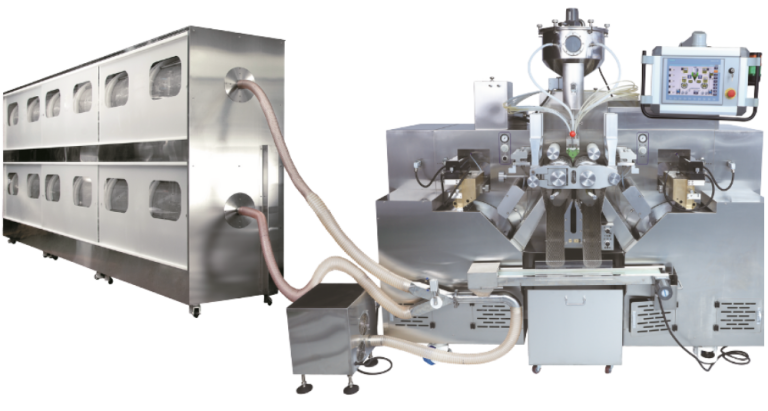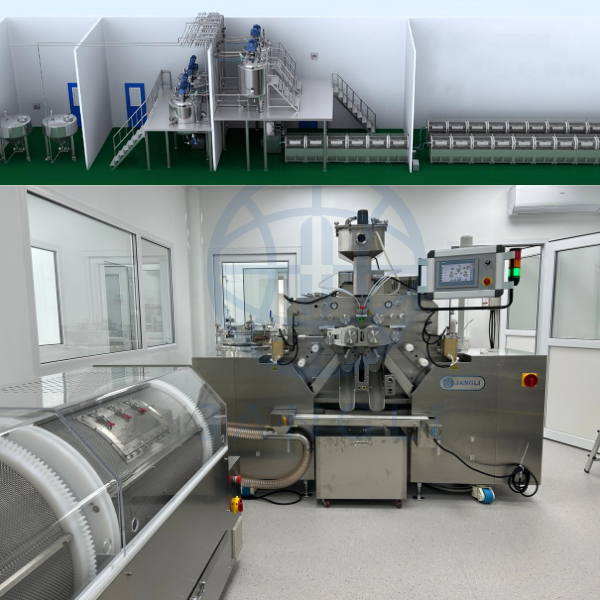
A softgel production line can run with only five workers when its four labor-heavy stations are automated: one worker each for gelatin melting, encapsulation, drying, and inspection and sorting, plus one spare. This guide shows how JANGLI’s automated softgel production line Save Labor in Softgel Production at every station, and how it compares with traditional methods.
Labor costs keep rising and automation keeps advancing, so saving labor to cut production cost matters more every year to softgel manufacturers, especially in markets such as the United States and Canada where labor is expensive. Fully automatic softgel equipment and more efficient drying methods are now in high demand. As a professional softgel equipment supplier, JANGLI has been working on this problem for years, and the plan below is the result.
What Is a 5-Worker Softgel Production Line?
The plan covers the four core stations of softgel production for one production line: gelatin melting, encapsulation, drying, and inspection and sorting. Actual staffing depends on capsule type, output and shift pattern.
| Station | Traditional practice | JANGLI automated solution | Workers |
|---|---|---|---|
| 1. Gelatin melting | Workers load gelatin and water by hand, start heating, stirring and vacuuming manually, track the heating time and discharge the gelatin by hand | Fully automatic gelatin melting system | 1 |
| 2. Encapsulation | Gear-driven machine: 2 operators for die roller alignment and at least 2 for filling volume adjustment | JL-250III servo softgel encapsulation machine | 1 |
| 3. Drying | Tray drying with manual tray flipping, or in-line tumble dryers that need a large drying room | Intelligent dehumidifying tumble dryer | 1 |
| 4. Inspection and sorting | Picking by eye and hand; semi-automatic machines sort by size only, so surface defects still need manual checks | Fully automatic softgel inspection and sorting machine | 1 |
| Spare | – | One spare worker | 1 |
| Total | 5 | ||
Station 1: Fully Automatic Gelatin Melting System (1 Worker)
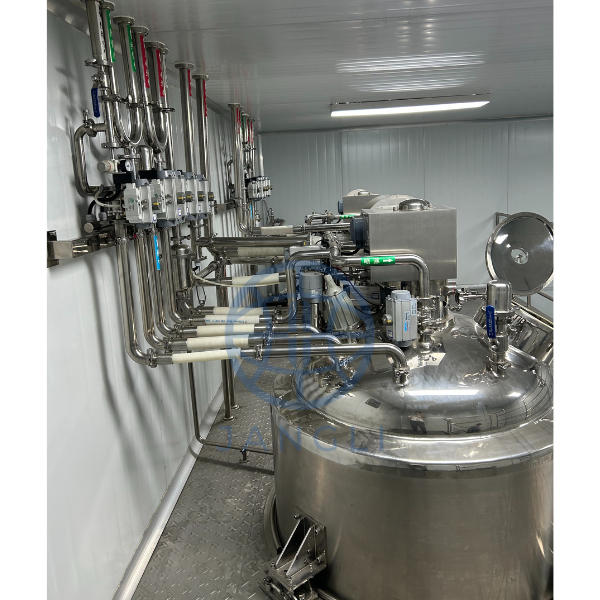
With our fully automatic gelatin melting system, the whole gelatin melting process needs only one worker.
In a traditional gelatin melting system, the worker has to load the gelatin, water and other materials by hand, start the tank heating and stirring, remember the heating time, start the vacuum manually and discharge the gelatin solution by hand when it is ready. Our digital intelligent system completes the whole melting process automatically: gelatin and water input, heating, stirring, vacuumizing and bubble removal.
- Automatic control: the system controls the gelatin solution temperature and the positive and negative pressure according to the actual production process.
- Weighing inside the tank: materials are drawn into the melting tank and weighed there, which avoids formula errors from weighing outside the tank.
- Less reliance on experience: cross-contamination is avoided and the process depends less on the worker’s experience, proficiency and manual checks.
The worker only needs to enter the parameters on the PLC touch screen, and the melting process runs automatically and precisely.
Watch the fully automatic gelatin melting system in operation:
Station 2: Servo Softgel Encapsulation Machine (1 Operator)
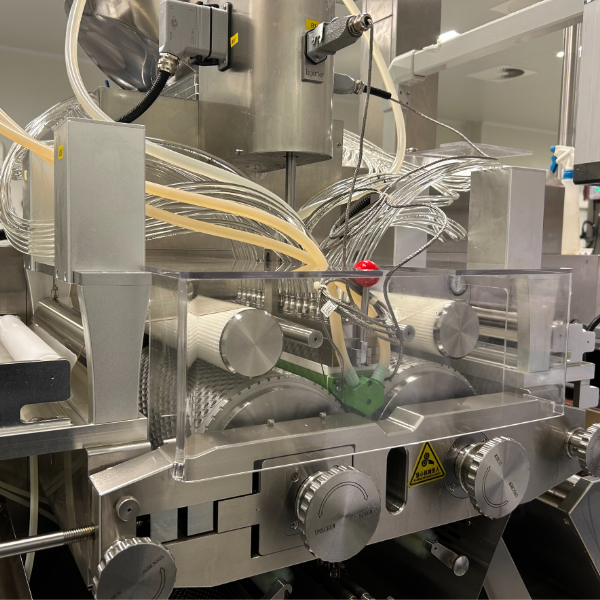
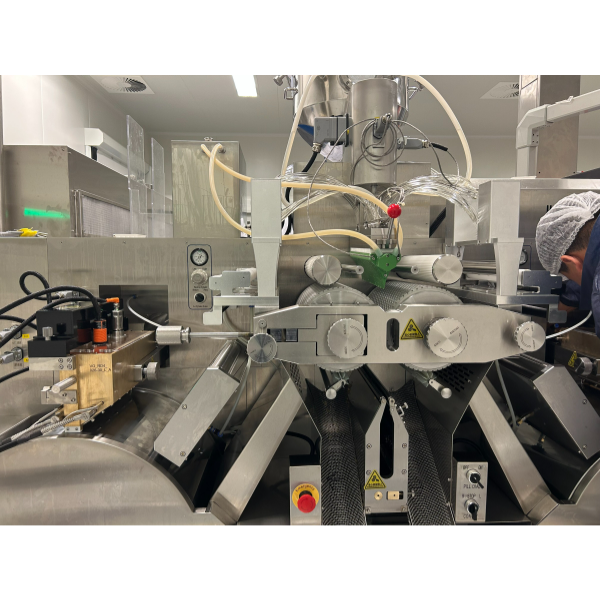
For larger softgel manufacturers, we recommend our JL-250III servo softgel encapsulation machine. Only one operator is needed.
JANGLI’s servo soft gelatin machine uses servo motors on all the critical parts: one servo motor directly drives the die roller main axis, one directly drives the medicine pump plungers and one directly drives the medicine pump reversing plate. As a result, die roller alignment, filling volume and injection timing can all be completed automatically.
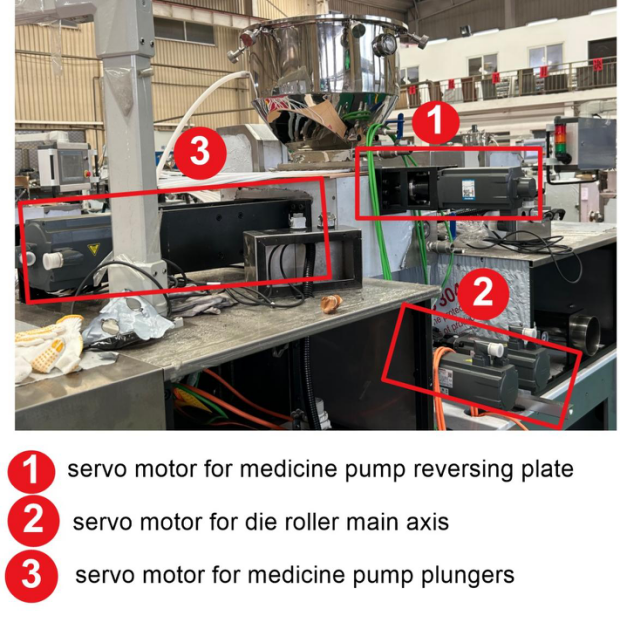
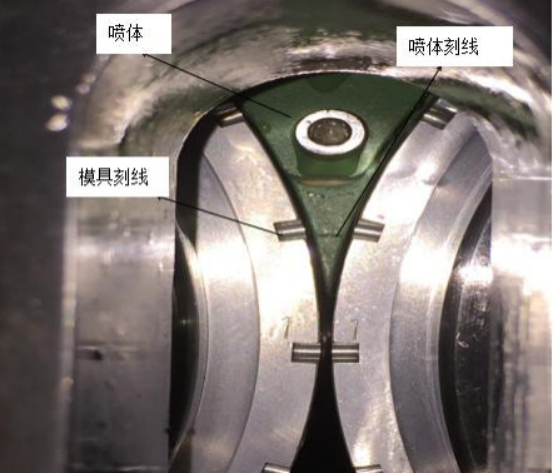
Automatic Softgel Die Roller Alignment
When a traditional gear-driven softgel machine starts, two operators are needed for die roller alignment: one at the back to move the gear and one at the front to watch the die roller position. The process takes a long time and is hard for a new operator to learn. With JANGLI’s servo encapsulator, the operator just clicks the “alignment” button and the machine completes the alignment by itself, quickly. Correct alignment also protects the die rollers from the indentations described in our die roller maintenance guide.
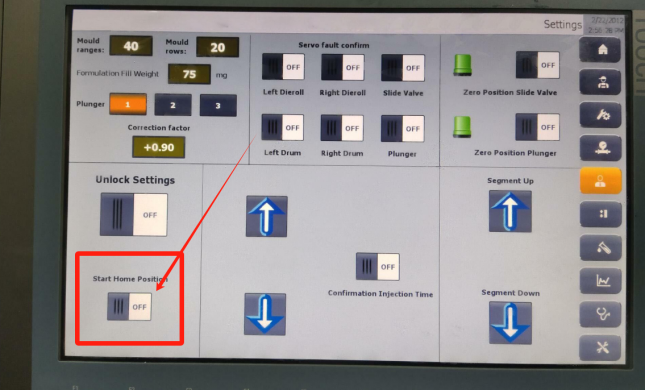
Automatic Filling Volume Adjustment
On a traditional gear-driven machine, the filling volume is adjusted by hand and needs at least two operators: one slowly turns the adjusting knob and the other weighs the capsules, and they repeat this until the filling volume is correct. This costs a lot of time and wastes raw material. On JANGLI’s servo machine, the servo motor makes adjustment much easier: the operator enters the target volume on the PLC touch screen and the machine adjusts automatically.
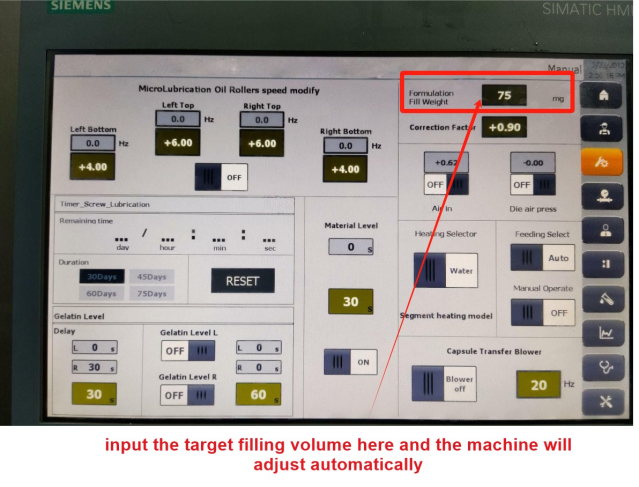
Servo-Driven Reversing Plate for Faster, More Stable Running
The servo motor on the reversing plate is a JANGLI design. Direct servo driving replaces the traditional gear-driven cam, so the softgel machine runs more stably and can run at a higher speed.
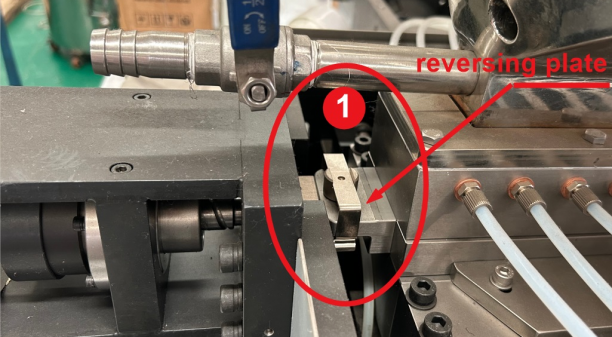
To sum up, one operator is enough for JANGLI’s servo softgel machine. The operator only needs to check the machine every 20 minutes, and from starting the machine to normal production takes 5 to 10 minutes, which saves labor, time and raw material. For even higher automation, JANGLI also offers the JL-250X unmanned soft gelatin encapsulation machine.
Watch the servo softgel machine at work:
To learn more about this machine, read Main Features JL-250III Servo Softgel Machine: Detailed Introduction.
Station 3: Softgel Drying With an Intelligent Dehumidifying Tumble Dryer (1 Worker)
For large-scale softgel production we recommend our intelligent dehumidifying tumble dryer. Only one worker is needed for drying.
Softgel drying is a very important link in the production process, and it usually takes a lot of space or a lot of labor. Here is how the three common methods compare:
| Drying method | Labor | Space and room control | Example for a 10-inch machine, 24 hours |
|---|---|---|---|
| Tray drying | High: workers flip the capsules tray by tray very often | The whole drying room needs very low temperature and humidity, for example 20°C and 18% humidity, which costs a lot of energy | – |
| In-line tumble dryer drying | Lower: no drying trays, standard tumble dryers for the whole process | Needs much more space to dry well | At least 36 dryer baskets for non-stop production and thorough drying |
| Intelligent dehumidifying tumble dryer | Low: one worker | Closed structure with built-in dehumidifier and water cooling unit; temperature and humidity are controlled inside the basket, so the controlled room is much smaller | Only 24 dryer baskets for non-stop production |
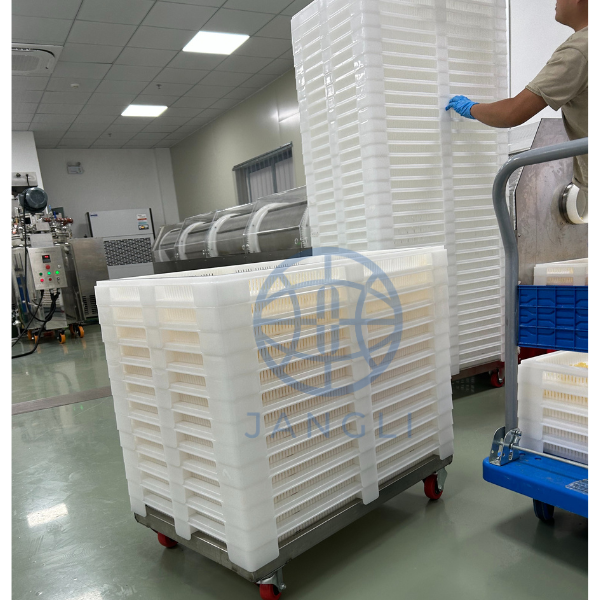
Tray Drying
The most traditional method is tray drying, which uses softgel drying trays. It needs a very low temperature and humidity inside the drying room, for example 20°C and 18% humidity, and workers must flip the capsules tray by tray very often. This costs a lot of energy and labor.
In-Line Tumble Dryer Drying
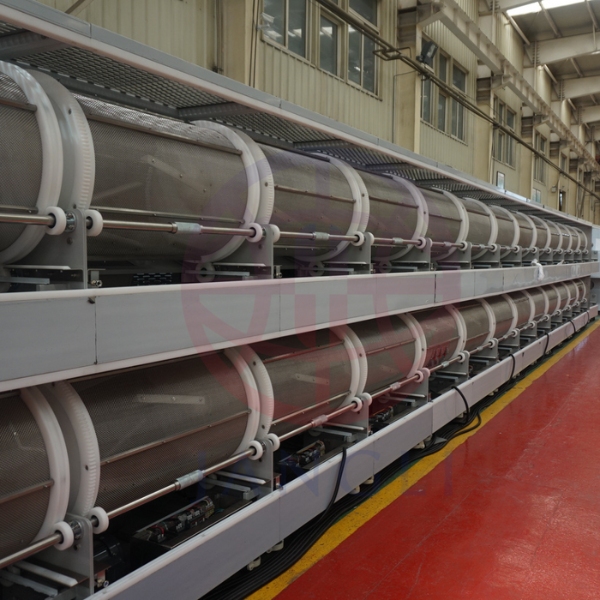
A method that saves more labor is in-line tumble dryer drying, which uses standard tumble dryers for the whole drying process and no trays. It needs less labor than tray drying but much more space to achieve a good drying effect. For example, a 10-inch softgel machine producing 24 hours a day needs at least 36 dryer baskets to guarantee non-stop production and thorough drying, which takes up a lot of drying room space.
Intelligent Dehumidifying Tumble Dryer
To solve these problems, JANGLI developed the intelligent dehumidifying softgel tumble dryer in 2019, and this style of drying has become more and more popular in recent years. The dryer has a closed structure with a built-in dehumidifier and a water cooling unit. It does not need the whole drying room to be temperature and humidity controlled: it controls the temperature and humidity inside the drying basket directly, so the room that needs control is much smaller and all the energy is concentrated on a small space. The result is a very good drying effect in a shorter time, and a 10-inch softgel machine running 24 hours needs only 24 dryer baskets for non-stop production.
Watch the dehumidifying softgel tumble dryer with built-in dehumidifier:
Station 4: Automatic Softgel Inspection and Sorting Machine (1 Worker)
Softgel inspection and sorting is very time-consuming and labor-intensive, because people have to use their eyes and hands to remove unqualified capsules and then pack the qualified ones. Some semi-automatic picking machines can sort capsules by size, which saves some manpower but does not help much: besides size, sorting also has to catch surface defects such as black spots, and that is still done by hand.
To solve this pain point, JANGLI developed the fully automatic softgel inspection and sorting machine, which needs only one operator. It has an advanced visual processing system, is driven by servo motors, and uses 4 cameras above the photographing area to guarantee detection accuracy. The operator only puts the dried softgels into the capsule storage tank, and the machine starts working. It detects and rejects broken, misshapen, spotted, out-of-size and bubble capsules quickly and accurately, then sends the qualified softgels into boxes.
We can also design a softgel vacuum conveying device that carries the capsules directly from the tumble dryer to the automatic sorting machine, which is even more convenient.
The 5-Worker Labor Plan in Summary
According to JANGLI’s plan, the whole softgel production process needs one worker for gelatin melting, one for softgel encapsulation, one for softgel drying, one for inspection and sorting, and one spare worker, five workers in total.
Softgel Production Line Labor FAQ
How many workers are needed to run a softgel production line?
With JANGLI’s automation plan, five workers can run a softgel production line: one for gelatin melting, one for encapsulation, one for drying, one for inspection and sorting, and one spare. The exact number depends on capsule type, output and shift pattern.
How can I reduce labor cost in softgel production?
Automate the four labor-heavy stations: use a fully automatic gelatin melting system, a servo softgel encapsulation machine, an intelligent dehumidifying tumble dryer and an automatic inspection and sorting machine. Each station then needs only one worker.
How does a servo softgel encapsulation machine save labor?
Servo motors directly drive the die roller main axis, the medicine pump plungers and the reversing plate, so die roller alignment, filling volume and injection timing are completed automatically. The operator clicks one alignment button, enters the target filling volume on the touch screen, and only needs to check the machine every 20 minutes. Starting the machine to normal production takes 5 to 10 minutes.
What is the difference between tray drying and tumble drying for softgels?
Tray drying needs a drying room at very low temperature and humidity, for example 20°C and 18% humidity, and workers flip the trays by hand. In-line tumble drying needs less labor but more space: a 10-inch machine running 24 hours needs at least 36 baskets. An intelligent dehumidifying tumble dryer controls temperature and humidity inside the basket, so the controlled room is much smaller and 24 baskets are enough.
What defects can an automatic softgel inspection and sorting machine detect?
It uses a visual processing system with 4 cameras and servo drive to detect and reject broken, misshapen, spotted, out-of-size and bubble capsules, then sends the qualified softgels into boxes. One operator only has to load the dried capsules into the storage tank.
What does a fully automatic gelatin melting system automate?
It automates gelatin and water input, heating, stirring, vacuumizing and bubble removal. It also controls the gelatin solution temperature and the positive and negative pressure, and weighs the materials inside the melting tank, which avoids formula errors and cross-contamination. The worker only enters the parameters on the PLC touch screen.
Written by the JANGLI technical team (WUXI JANGLI MACHINERY CO., LTD., softgel equipment manufacturer since 1996). Last reviewed: October 2026. Staffing depends on your capsule type, output and shift pattern, so please contact us for a plan that fits your factory.
Need a Labor-Saving Softgel Production Line?
If your softgel company urgently needs to solve labor problems, come to JANGLI. We will customize a complete, intelligent solution that fits your situation and saves as much labor as possible.