Softgel encapsulation seals a liquid or paste fill inside a gelatin shell, one measured dose per capsule. It can be used for some automotive maintenance fills, but the gelatin shell sets limits on what the fill can contain. This guide explains how softgel encapsulation differs from other kinds of encapsulation, which automotive fills are worth testing, and what to check before you buy a machine.
Key takeaways
- A softgel is a sealed gelatin shell around a liquid or paste fill. It is not the same thing as microencapsulation or as the gel used to pot automotive electronics.
- The fill must be compatible with gelatin. High water content, and low molecular weight alcohols, ketones, acids, amines and esters, can damage the shell or cause leakage.
- Oils and oil-based fills are the natural fit. Many fuel additives, antifogging agents and sealants need a compatibility check before you commit.
- Test your own fill on a small machine first. A gelatin shell is also sensitive to heat and humidity, so storage conditions matter.
How Softgel Encapsulation Differs From Other Kinds of Encapsulation
“Encapsulation” is used for several different technologies, and searches for automotive products often mix them. Patent literature describes encapsulated fuel and oil additives made with microcapsules or gel matrices, and automotive electronics are often protected by potted gels. None of these is the same as a gelatin softgel.
| Technology | What it is | Typical use |
|---|---|---|
| Gelatin softgel (rotary die) | A liquid or paste fill sealed between two gelatin ribbons by die rollers, formed into a single-dose capsule | Pharmaceuticals, nutraceuticals, cosmetics, and selected non-edible fills |
| Microencapsulation | Very small capsules or particles containing an active ingredient | Additives mixed into oils, fuels or coatings |
| Electronics potting or encapsulation gel | A silicone or epoxy compound poured around parts and cured in place | Connectors, sensors, wiring harnesses and control units |
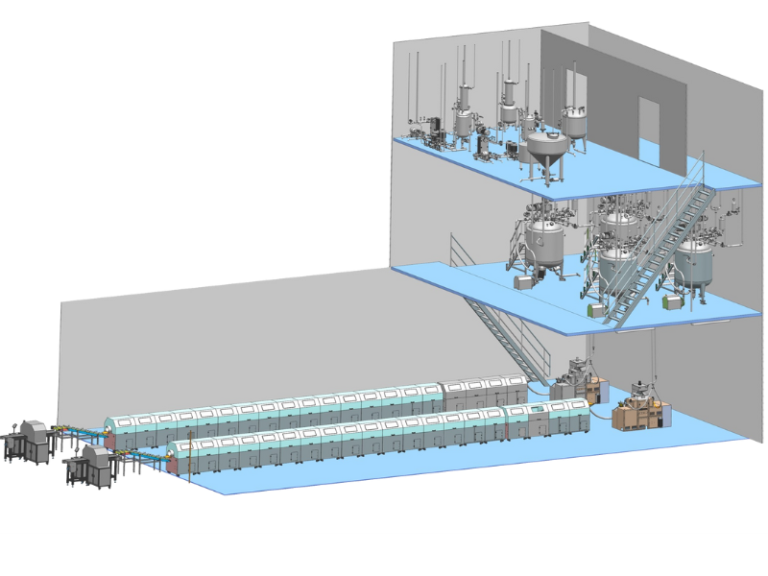
This article covers the first one only: gelatin softgels made on a rotary die softgel encapsulation machine.
Which Automotive Maintenance Products Could Go Into a Softgel?
Routine maintenance prevents malfunction and premature failure of a vehicle’s components, and owners use many maintenance products to improve performance, durability and comfort. Whether a given product can be softgel-encapsulated depends on what is in the fill, not on the product category. The notes below describe what each type usually contains and what to check first. They are typical formulations, not a verdict on any specific product, so always test your own fill.
Lubricants
A lubricant forms a friction-reducing film between two moving parts and reduces energy loss. The most common lubricants are lube oil and grease. Oil-based fills are the natural fit for a softgel. Check first: whether the fill flows through the injection pump at filling temperature (greases and very viscous fills may not), and whether any additive in it contains water or polar solvents.
Fuel Additives
Fuel additives are substances added to a vehicle’s fuel to improve engine performance. The most common types are:
- Fuel system cleaners
- Anti-gel diesel additives
- Ethanol treatment
- Gas treatment
- Fuel-line antifreeze
Check first: the solvent system. Fuel-line antifreeze and gas treatments are often alcohol-based, and fuel system cleaners often contain amine-based detergents. Low molecular weight alcohols and amines are on the list of fill components that can attack a gelatin shell.
Adhesives and Sealants
Sealants and adhesives bond and seal parts such as doors, windows, windshields and exhaust pipes, which can replace welding, screws, rivets and bolts. Check first: whether the chemistry is reactive or moisture-curing. A fill that reacts with gelatin or with the water in the shell will not stay stable in a softgel. Viscosity also needs to suit the injection pump.
Corrosion Inhibitors
Corrosion inhibitors form a protective layer that keeps water and dirt away from metal parts. Check first: the carrier. Oil-based carriers are generally easier to encapsulate than water-based or strongly solvent-based ones.
Air Fresheners and Fragrances
Air fresheners and fragrances remove unpleasant odors and create a pleasant mood inside the vehicle. Check first: whether volatile fragrance components migrate through the shell during storage, which would weaken the scent and could affect the shell.
Antifogging Agents
Antifogging agents form a film on the glass so that water does not condense on the inside of the windscreen in wet or foggy weather. Check first: water content. Antifogging products are often water- or alcohol-based, and a high water content in the fill can dissolve the shell.
What a Softgel Shell Can and Cannot Do
Softgel encapsulation is sometimes described as giving “controlled release” or a “protective barrier”. For automotive fills, be careful with both ideas.
- A single, measured dose. Each capsule holds a set amount of fill. This is the clear benefit: it avoids over-use and makes dosing simple for the end user.
- Release behavior must be tested. A softgel releases its fill when the shell dissolves or breaks. How a gelatin shell behaves inside a fuel tank, an engine or a vehicle cabin depends on the product and the conditions, and it should be tested with your own fill rather than assumed to be slow or controlled.
- The shell is sensitive to moisture and heat. In production, the finished shell moisture is controlled at about 8 to 12%: too high and the shell becomes soft and prone to mold, too low and it becomes brittle. The same sensitivity applies in storage and transport, so plan packaging and storage conditions.
- Non-edible fills need extra care. A non-edible product in a capsule can be mistaken for something edible. Assess the risk of accidental ingestion, and discuss labeling and packaging with your regulatory advisor before launch.
For background on how fills are formulated for gelatin shells, see the trade article Formulating Softgels.
Softgel Encapsulation Process for These Fills
An automotive fill follows the same rotary die process as any other softgel fill:
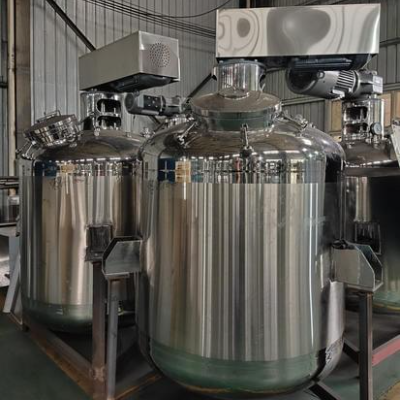
- Gelatin melting. Gelatin, plasticizer and water are melted into a gelatin solution, degassed under vacuum (generally -0.07 to -0.08 MPa) and left to stand for more than 4 hours so the bubbles are fully discharged.
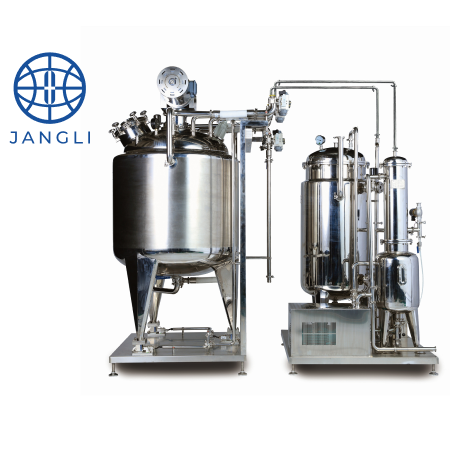
- Fill preparation. The fill is mixed until it is even and smooth in the medicine preparation system. Confirm its compatibility with gelatin before this step, using the checks above.
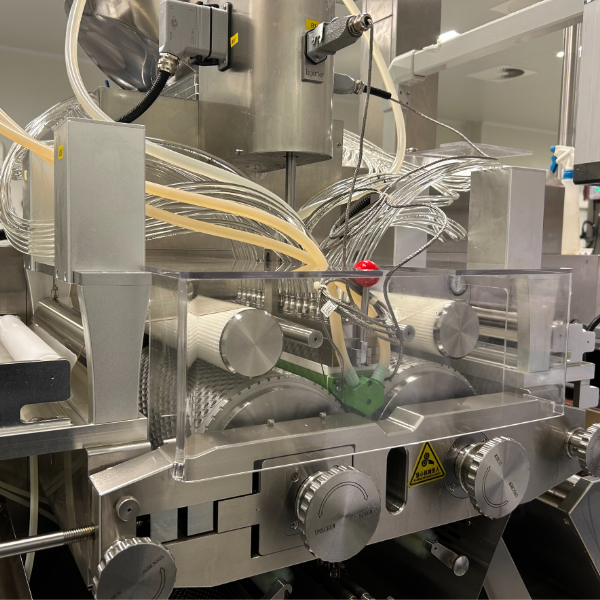
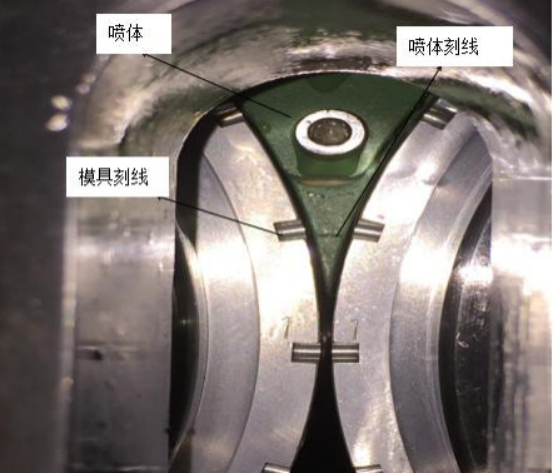
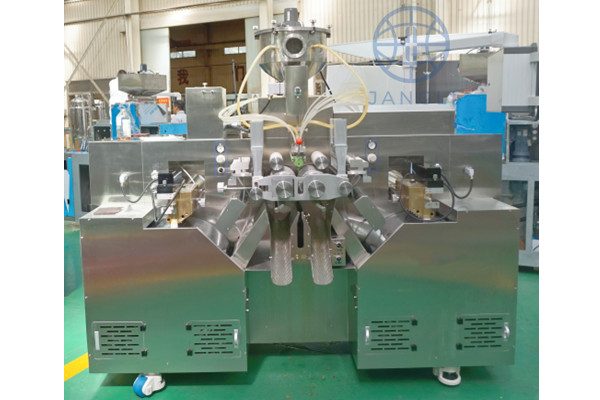
- Encapsulation. The gelatin ribbons form on the casting drums, the pump injects the fill between them, and the die rollers press, seal and cut the capsules. The die roller sets decide the capsule shape and size.
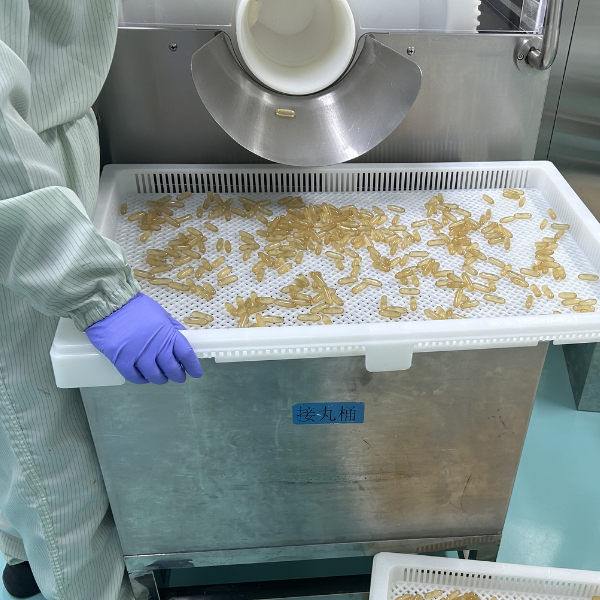
- Shaping and drying. Freshly made softgels are tumbled to set their shape, then dried until the shell reaches the target moisture.
- Inspection, sorting and packaging. Unqualified capsules are removed and the rest are packed.
For temperatures, ribbon thickness and moisture at each stage, read Softgel Capsule Making Process And Precautions. For the equipment behind each step, see All You Need To Know About Softgel Production Line.
Choosing a Softgel Machine for Testing and Production
Because the biggest unknown is whether your fill works in a gelatin shell, start small. A pilot-scale machine such as the JL-100II lets you test the fill, the shell formulation and the capsule shape without wasting a lot of raw material. If the trial succeeds and you need volume, a large fully automatic machine such as the JL-250III is the usual next step.
Before you choose, decide on these points:
- Fill compatibility. Composition, water content, solvents and viscosity, checked against the notes above.
- Capsule shape and size. The die roller sets decide both.
- Target output. This sets the machine size.
- Which units you need. A fill that needs no pre-mixing may not need a medicine preparation system.
- Spare parts and support. Check how easily you can get spare parts, and how simple cleaning and maintenance are.
The full buyer checklist is in our softgel production line guide.
Troubleshooting Softgel Production
Regular cleaning, lubrication and inspection of the machine, as set out in the manufacturer’s manual, keep production stable. Our JL-250II user guide covers operation and maintenance. When quality problems appear, start with this table:
| Problem | Where to look |
|---|---|
| Leakage or weak seams | Check fill compatibility with gelatin first, then seam quality under a microscope. See how to prevent softgel leakage during storage. |
| Bubbles in the shell | Check vacuum degassing of the gelatin solution and that it stood for more than 4 hours before use. |
| Capsules sticking together | Check ambient temperature, since a room that is too hot makes capsules cool slowly, and the shaping drying step. |
| Deformed capsules | Check that the two gelatin ribbons are the same thickness. |
| Shell too soft, moldy or brittle | Check final shell moisture against the 8 to 12% target. |
| Inconsistent fill amount | Cut capsules open and weigh the shell to measure the fill volume, immediately after sampling. |
Frequently Asked Questions
Can any automotive maintenance product be encapsulated in a softgel?
No. The fill has to be compatible with a gelatin shell. High water content, and low molecular weight alcohols, ketones, acids, amines and esters, can damage the shell or cause leakage. Oil-based fills are the usual fit, and anything else should be tested first.
Is softgel encapsulation the same as potting automotive electronics?
No. Potting uses silicone or epoxy gels that are poured around connectors, sensors, wiring harnesses or control units and cured in place. A softgel is a sealed gelatin capsule around a liquid fill, formed by die rollers.
What is a softgel shell made of?
A mixture of gelatin, water and a plasticizer. Opacifiers or pigments, such as titanium dioxide and iron oxide, may be added.
How do I test whether my fill works in a softgel?
Run a small trial batch on a pilot-scale machine, then check the capsules for leakage, seam quality and shell condition over your expected storage period. Send us the fill details and we can recommend a machine for the trial.
Planning to test a fill? Send us your fill details (composition, water content, viscosity) and your target capsule size, and we will recommend a machine.
Related guides
- Softgel capsule making process and precautions
- All you need to know about the softgel production line
- Lecithin softgel production: how to prevent leakage during storage
- The role of softgel encapsulation machines in the nutraceutical industry
Written by Wendy Yu, JANGLI. Last reviewed: [2026]. Fill compatibility depends on the specific formulation, so test your own product before production.